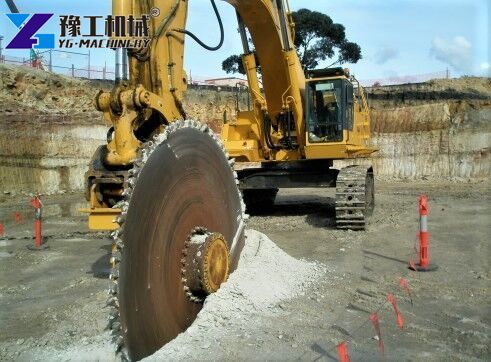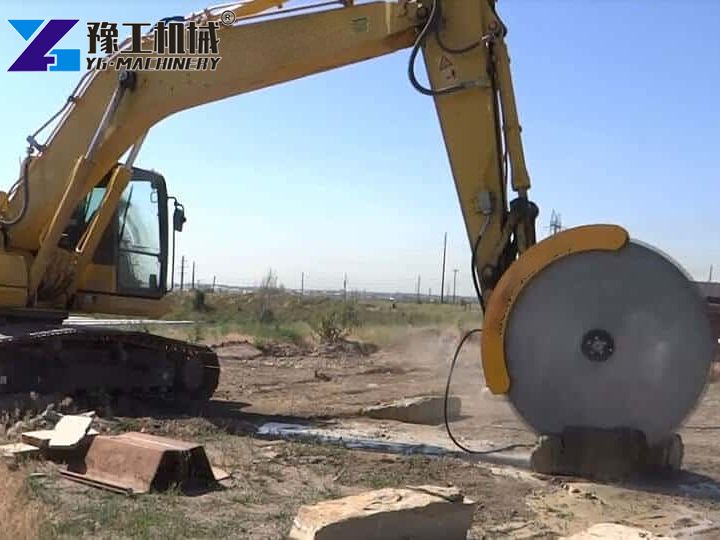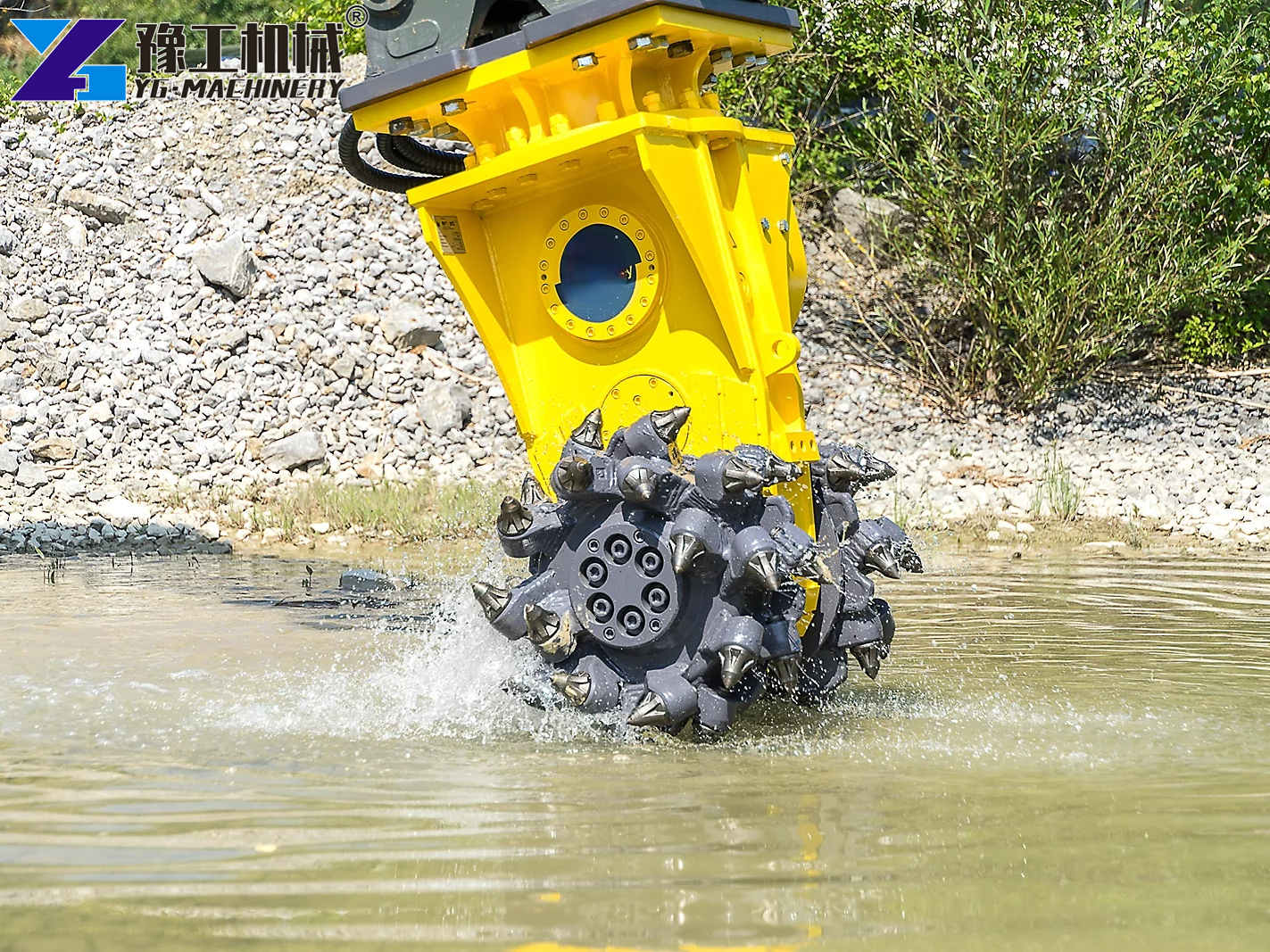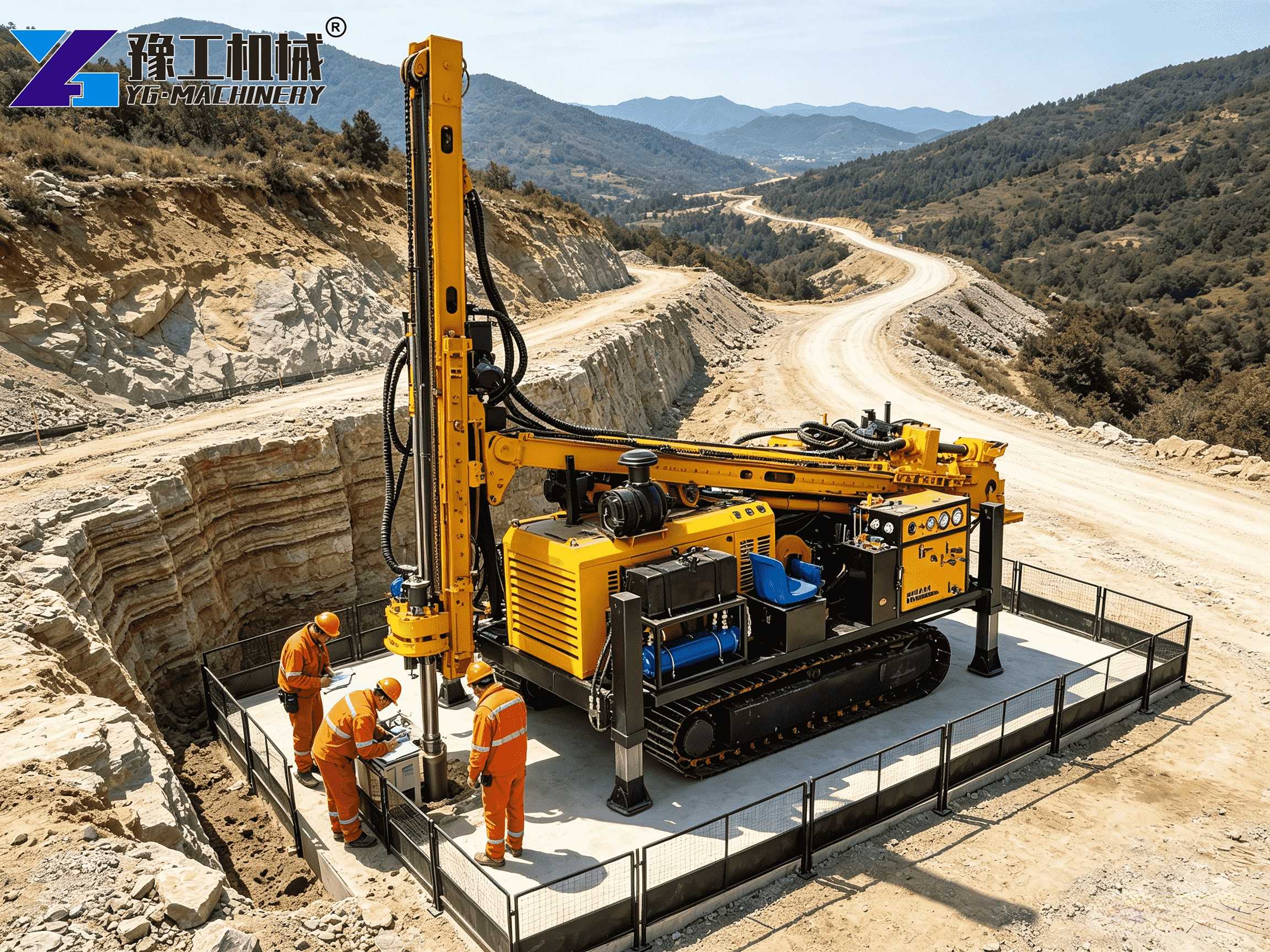
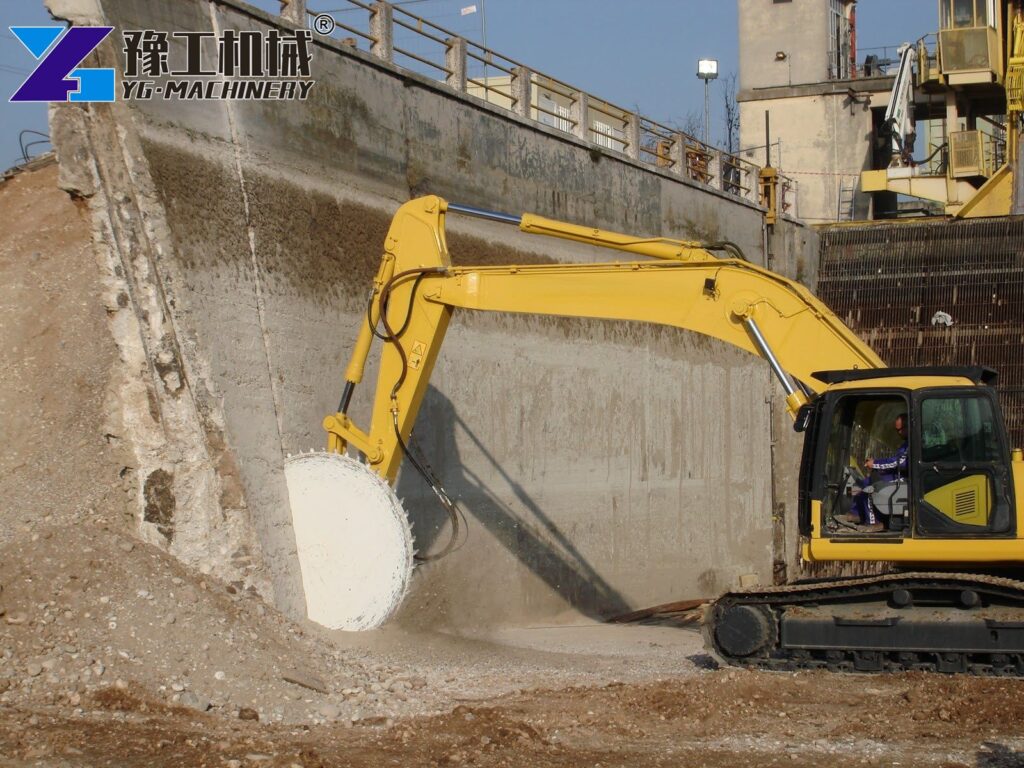
This real case study features a hydraulic rock saw deployed for Australian regional road construction. A Queensland civil contractor faced strict local environmental and construction constraints. Traditional rock breaking methods failed to meet their project schedule and quality standards. The client selected YG Machinery rock cutting attachments for precise, low-noise basalt trench work. This article covers full project challenges, on-site solutions, construction workflows, and long-term operational benefits.
Get Factory Quote | WhatsApp/Tel: +86 183 3715 2861
Project Background: Australian Regional Road Construction Requirements
This government-funded road upgrade project took place in regional Queensland, Australia. The construction route covered 2.7 kilometers of rural road renovation. The site required deep trench cutting through hard basalt rock for road foundation laying. Australian local councils enforce strict noise, vibration, and blasting restriction policies near residential zones.
Traditional rock blasting and hydraulic breaker work were not approvable on this site. The contractor needed precise, clean rock cutting without ground vibration or loud noise. Tight project deadlines and strict acceptance standards added more construction pressure. The team searched for reliable excavator rock cutting attachment solutions to replace outdated breaking methods.
Professional Advice: Australian municipal road projects prioritize low-vibration construction. Avoid impact-type rock breaking near pipelines and residential areas to prevent project delays and penalties.
Core Customer Pain Points Before Using Hydraulic Rock Saw
The contractor’s original rock processing workflow caused multiple construction bottlenecks. Impact breakers led to unstable quality, slow progress, and frequent site complaints. All issues affected project efficiency and final acceptance results.
- Slow rock processing speed delayed overall road construction progress
- Strong vibration risked damaging underground utility pipelines
- High working noise triggered resident complaints and work suspensions
- Irregular broken rock edges required repeated manual trimming work
- Unstable construction quality increased project rework probability
The client previously tested a common excavator metal saw from local suppliers. This ordinary attachment could not sustain stable cutting torque on high-hardness basalt. After multiple site tests, the team confirmed the need for professional heavy-duty hydraulic rock saw equipment.
Professional Advice: Hard basalt rock consumes impact equipment severely. Continuous impact breaking causes fast wear on excavator buckets and hydraulic systems.


Custom Hydraulic Rock Saw Solution for Australian Basalt Cutting
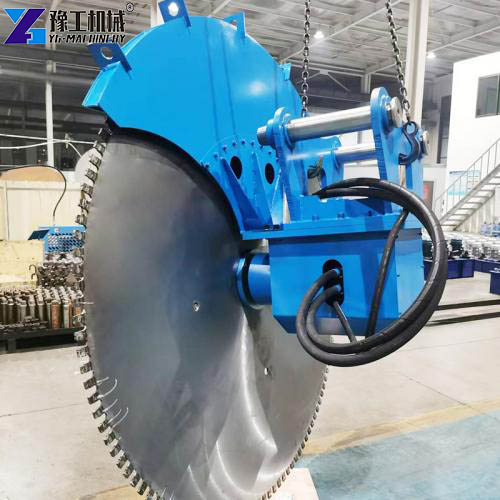
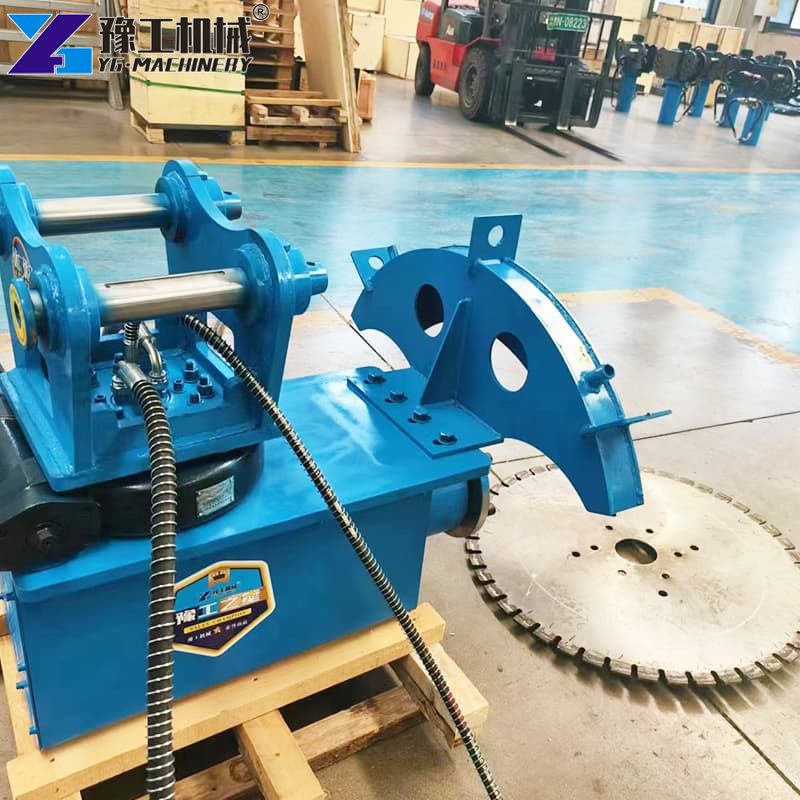
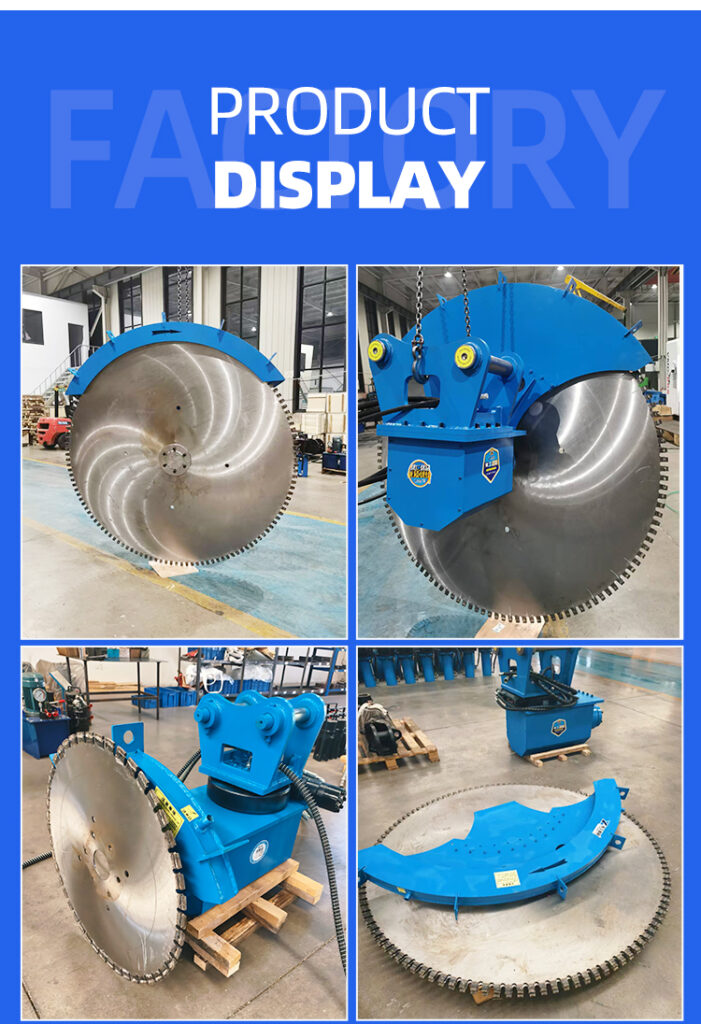
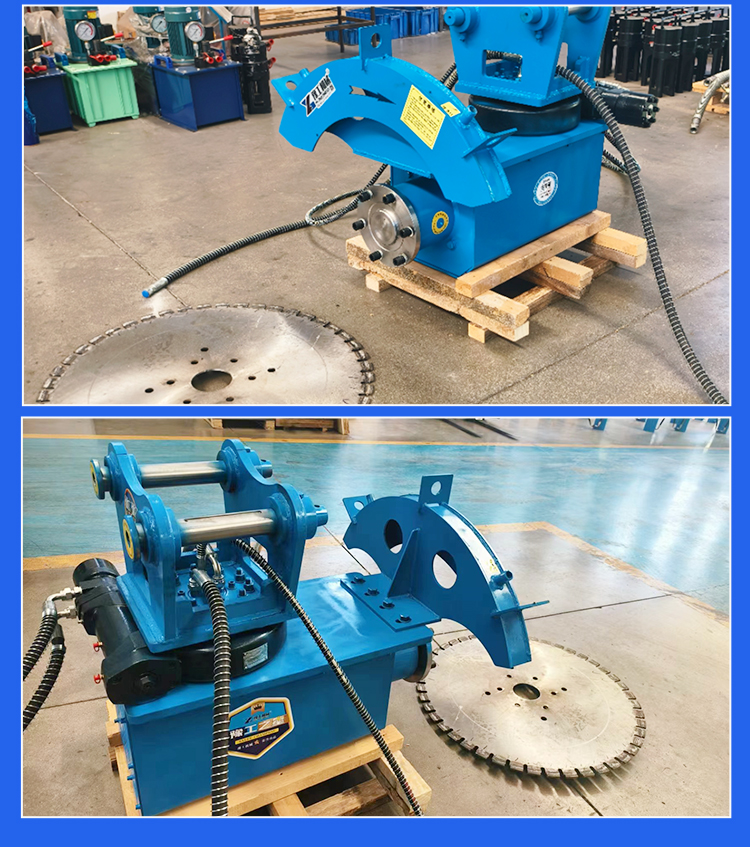
YG Machinery analyzed the client’s excavator model, rock hardness, and trench depth demands. Our engineering team matched the YG-Q1 hydraulic rock saw for this road project. This model perfectly adapts to 20-28 ton excavator hydraulic parameters and deep cutting requirements.
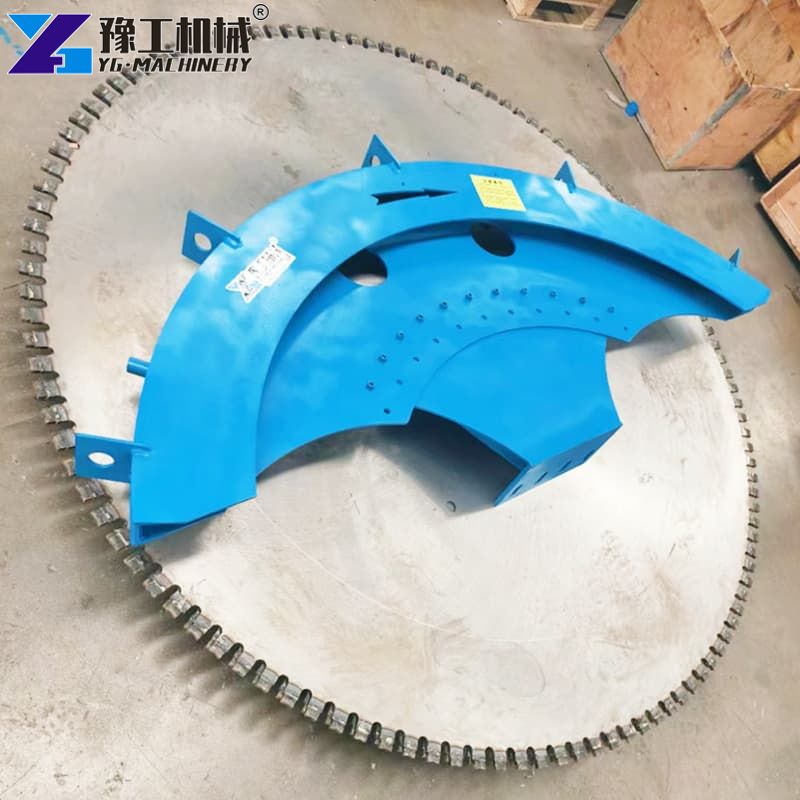
We configured upgraded diamond saw blades and anti-shock hydraulic motors. The optimized structure supports long-hour continuous cutting on dense basalt. The equipment eliminates vibration and ensures flat, neat rock cutting sections for road foundation standards.
Professional Advice: Matching saw parameters with excavator hydraulic flow is critical. Unmatched configurations cause blade stalling, overheating, and low cutting efficiency.
Full Hydraulic excavator Rock Saw Technical Parameters
| Model | YG-J1 | YG-J2 | YG-J3 | YG-Q1 | YG-Q2 |
|---|---|---|---|---|---|
| Suitable excavator type | 2-4T | 6-9T | 10-18T | 20-28T | 30-45T |
| Circular saw diameter | 0.4-0.8m | 1.2-1.6m | 1.8-2.2m | 2.2-2.6m | 2.6-3.2m |
| Cutting slit width | 5mm | 9mm | 14mm | 30mm | 30mm |
| Max. Cutting depth | ≤250mm | ≤600mm | ≤900mm | ≤1100mm | ≤1400mm |
| Rated pressure | 30Mpa | 30Mpa | 30Mpa | 35Mpa | 35Mpa |
| Recommended flow | 30L/min | 80L/min | 120L/min | 220L/min | 300L/min |
Excavator Rock Cutting Attachment: Shipping, Installation and Commissioning
All equipment underwent strict factory testing and standardized export packaging. The excavator rock saw was packed in fumigated wooden crates for Australian import standards. Goods were shipped from Qingdao Port and arrived at Brisbane Port with smooth customs clearance.
On-site installation and commissioning adopted remote professional guidance. Our engineers guided local workers to complete bracket installation, hydraulic hose connection, and pressure debugging. Operators finished systematic safety training and trial cutting tests before formal construction.
Full Project Timeline
| Project Phase | Duration |
|---|---|
| Technical confirmation & order signing | 5 working days |
| Equipment production & factory testing | 28 working days |
| Ocean freight to Brisbane Port | 24 days |
| Customs clearance & site delivery | 4 working days |
| Installation, commissioning & training | 1 working day |
Professional Advice: Australian port clearance requires complete export certification. Prepare all documents in advance to avoid port detention and project delays.
On-Site Construction Workflow and Practical Operation Effects
The excavator rock saw completed formal basalt cutting work after successful debugging. The standardized construction process ensured stable efficiency and consistent wall flatness. The whole workflow is suitable for most Australian road trench renovation projects.
- Mark precise cutting lines on basalt rock with survey tools
- Start low-speed blade rotation and complete shallow surface scoring
- Gradually increase cutting depth to avoid blade overload damage
- Move the excavator steadily for continuous long-distance trench cutting
- Lift the blade fully before adjusting machine position
After formal operation, the site achieved obvious construction improvements. The equipment realized silent, low-vibration rock cutting with neat fracture surfaces. Daily cutting length increased greatly compared with traditional breaker methods. No resident complaints or pipeline damage incidents occurred throughout construction. The flat cutting surface eliminated secondary trimming work.
Professional Advice: Adopt multi-layer shallow cutting for hard basalt. One-time deep cutting causes severe blade wear and reduces equipment service life.
Project Outcomes, Client Feedback and Long-Term ROI Analysis
This hydraulic excavator rock saw completely solved the client’s core construction pain points. The low-noise and low-vibration performance fully complied with Australian urban construction regulations. The precise cutting quality improved the overall project acceptance rate greatly.
The client gave positive feedback on equipment stability and after-sales service. The excavator metal saw structure runs stably under long-hour high-intensity work. The project finished ahead of schedule and avoided all potential penalty risks. The simplified construction process reduced manual labor demand and lowered equipment wear loss.
Long-term project ROI is reflected in multiple dimensions. The optimized workflow shortens construction cycles and improves team productivity. Reduced rework rate and zero construction complaints enhance the contractor’s local project bidding competitiveness. The durable diamond blade and hydraulic structure lower long-term maintenance frequency.
Key Project Achievements
- Realized zero vibration and low-noise rock cutting compliant with Australian standards
- Greatly improved daily rock cutting efficiency and shortened project duration
- Eliminated secondary trimming work and reduced manual labor consumption
- Zero site safety incidents and resident complaints during construction
- Improved contractor qualification for local government road tenders
FAQ for Hydraulic Rock Saw Australian Construction Buyers
Match the rock saw attachment to your excavator’s weight class and hydraulic output. YG offers models for 2-45 ton excavators—YG-J1 for 2-4T, YG-J2 for 6-9T, YG-J3 for 10-18T, YG-Q1 for 20-28T, and YG-Q2 for 30-45T. Always verify your machine’s auxiliary flow and pressure against the saw’s requirements.
A hydraulic rock saw cuts with a rotating diamond or tungsten-tipped blade, delivering precise, straight cuts with minimal vibration. A breaker impacts rock with repeated blows, creating rough, uneven faces. Rock saws are ideal for trenching, road works, and utility installation; breakers suit demolition and rough breaking where finish quality matters less
An excavator rock cutting attachment cuts through natural rock (sandstone, limestone, granite, basalt), reinforced concrete, asphalt, and frozen ground. The blade type determines performance—diamond blades for ultra-hard rock, tungsten for general hard rock cutting
Cutting depth varies by model. The YG-J3 reaches 900 mm; larger models like the YG-Q2 cut up to 1,400 mm. For smaller excavators, the YG-J1 offers up to 250 mm depth. Consider your project’s trench depth requirements when selecting a rock saw for excavator applications.
Our rock saws operate with standard excavator hydraulic systems. However, you must match the saw’s recommended flow (30-300 L/min) and rated pressure (30-35 MPa) to your machine’s auxiliary circuit capacity. Undersized flow reduces cutting speed; oversized flow can damage the hydraulic system.
Blade life depends on rock abrasiveness and cutting conditions. In the Victorian project, one diamond blade completed 4,200 m³ of sandstone and basalt. Tungsten-carbide teeth are field-replaceable—simply rotate or replace individual teeth when worn. Monitor cutting speed: replace blades when speed drops more than 20% from baseline.
Yes. The attachment mounts directly to the excavator arm, allowing horizontal cuts and precise positioning. Small models like the YG-J1 (2-4T) are ideal for tight access areas, utility trenches, and foundation work.
Request Solution for My Business
Professional Procurement Advice for Construction Contractors
When purchasing rock cutting equipment for Australian infrastructure projects, prioritize three core factors. Confirm local environmental noise and vibration policies first. Match equipment parameters with your excavator’s hydraulic system. Verify rock hardness to select the most suitable saw model and blade type.
Avoid universal low-quality attachments for government road projects. A standardized industrial-grade hydraulic rock saw ensures stable quality and compliance with local construction standards. Reliable after-sales support is essential for long-cycle Australian engineering projects.
Get a Custom Excavator Rock Saw Solution for Your Project
Contact YG Machinery for a free site assessment and customized solution. Share your excavator model, rock type, and cutting depth requirements. Our professional engineering team will recommend the best matching equipment within 8 hours.