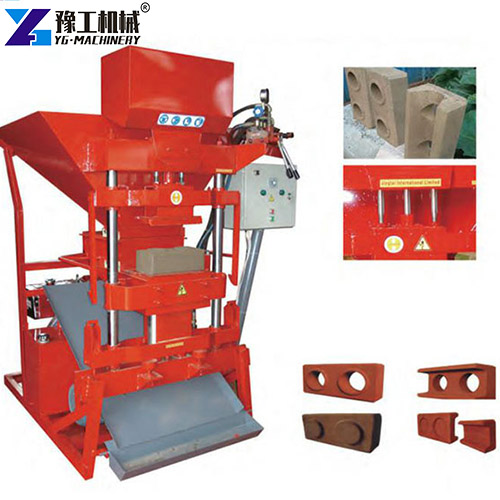
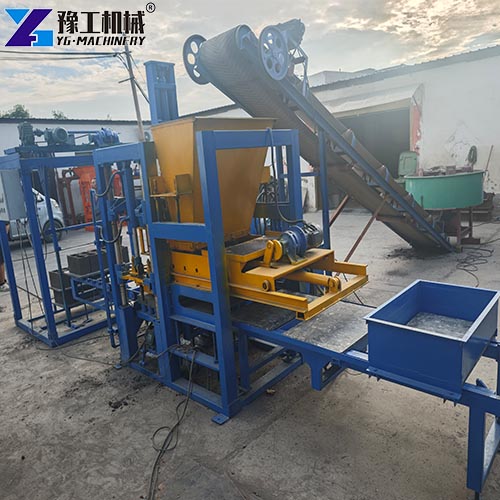
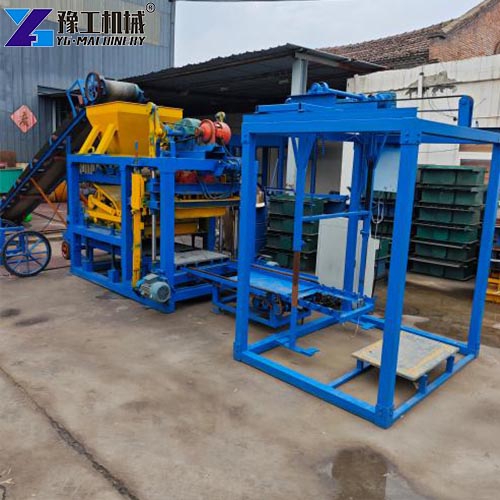
An auto brick machine is equipment that produces concrete bricks using cement, sand, stone dust, and water. It automatically mixes, presses, and ejects bricks without much manual work. These machines are commonly used for housing projects, pavements, and industrial flooring. They save labor and improve output consistency. If you need a reliable block brick machine for your business, contact YG Machinery for more details and a custom quote.
Production Capacity of YG Auto Bricks Machine
| Block Name | Size(LWH)mm | Molding Cycle | QTY/Mould | QTY/hour | QTY/8hr |
| Hollow block | 400*200*200 | 15-20s | 6 pcs | 1080-1440 pcs | 8640-11520 pcs |
| Hollow block | 400*150*200 | 15-20s | 7 pcs | 1260-1680 pcs | 10080-13440 pcs |
| Hollow block | 400*100*200 | 15-20s | 11 pcs | 1980-3640 pcs | 15840-21120 pcs |
| Porous block | 240*115*90 | 15-20s | 15 pcs | 2700-3600 pcs | 21600-28800 pcs |
| Standard brick | 240*115*53 | 15-17s | 30 pcs | 6300-7200 pcs | 50400-57600 pcs |
| Paver | 225*112.5*60 | 20-25s | 15 pcs | 2160-2700 pcs | 17280-21600 pcs |
How Does the Brick Machine Work?
The working principle of an auto brick machine is straightforward. First, raw materials like cement, sand, stone dust, and water are mixed in a separate mixer. The mixture is fed into the machine’s hopper. A feeding carriage moves the material into the mold cavity. Then the hydraulic system presses the material from above while the vibration system compacts it from below. This dual action creates dense, strong bricks. After pressing, the mold rises, and the finished bricks are pushed onto a steel pallet. A conveyor or stacker moves the pallet to a curing area. The whole cycle repeats automatically. This process is similar to that of a hollow brick machine, but the mold design is modified to create cavities in the brick.
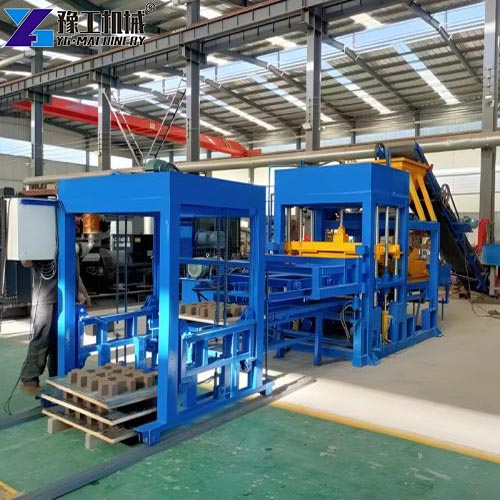
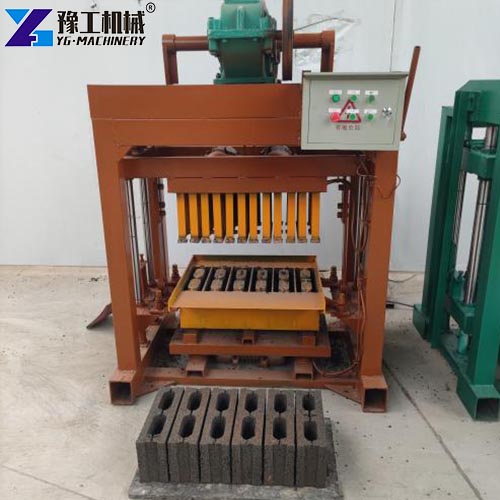
Why Choose the Hollow Bricks Machine?
Color feeder option
Adds a thin colored layer on top of a cheaper base material. Essential for double-layer paving blocks. You can produce high-value decorative pavers without using expensive material for the whole brick.
Quick mold change
Swap molds in under 15 minutes. One machine can produce different brick shapes. This means you are not locked into making only one product. Switch from hollow blocks to pavers in the same shift.
Adjustable vibration frequency
Lower frequency for soft mixes, higher frequency for hard mixes. Gives clean edges and sharp corners. This reduces waste from broken or misshapen bricks.
Hydraulic stripping system
Pushes bricks out smoothly without damaging corners. Even delicate hollow blocks come out intact. You get more usable bricks per cycle.
PLC control with recipe storage
Stores up to 10 different brick settings. Operators switch products with one button. No need to recalibrate every time you change molds. This saves hours of setup time each week.
Works with recycled materials
Accepts fly ash, construction waste, and slag. Lowers raw material cost by up to 30%. You can turn waste into profit and qualify for green building credits.
Low-maintenance design
Key wear parts are easy to access and replace. The machine is built with oversized bearings and hardened steel components. This means less downtime and lower repair bills over the life of the machine.
6 Advantages of the Clay Brick Machine Price
- Cuts labor cost by 80%: Replaces 10-15 workers. Handles feeding, pressing, and stacking automatically. Pays for itself in months. Only ongoing costs are electricity and maintenance.
- Uniform brick quality: Consistent hydraulic pressure and vibration. Same dimensions and strength every time. No human error. Builders prefer uniform bricks for faster laying.
- High daily output: A medium model produces 8,000–12,000 standard bricks in 8 hours. Two shifts can double that.
- Accepts multiple raw materials: Cement, sand, stone dust, fly ash, slag, and construction waste. Cuts material cost by 20- 40%. Fly ash and slag are often nearly free.
- Quick mold change: Most models allow mold swap in under 15 minutes. One machine can make hollow blocks, solid bricks, and pavers. Adapt to market demand without buying a new hollow brick-making machine.
- Simple operation: New workers learn basic control in one hour. Anyone can be trained to produce quality bricks in a single shift.
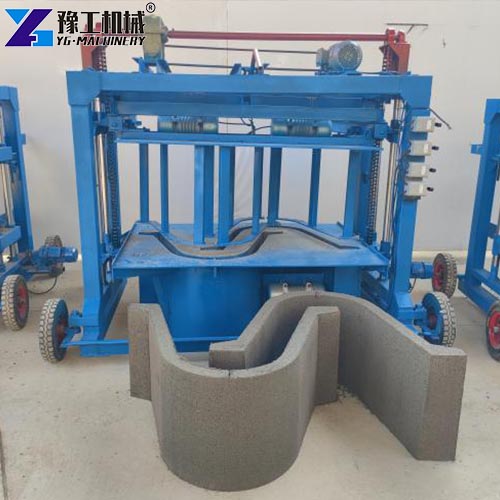
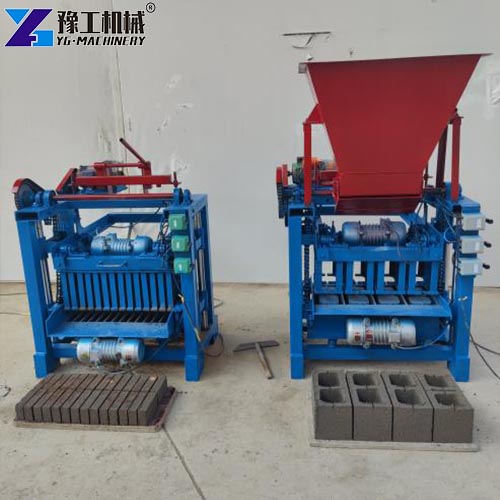
Application of Block Brick Machine
- Housing projects: Solid bricks or hollow blocks for walls. Voids reduce weight and improve insulation. Many government housing programs specify hollow blocks. Lighter blocks also reduce structural steel requirements in multi-story buildings, lowering overall construction costs.
- Road and pavement: Interlocking pavers for sidewalks, driveways, plazas. No mortar needed. A damaged paver can be replaced in minutes. They also allow water to drain between joints, reducing puddles and ice formation in cold climates.
- Landscaping: Grass bricks, curb stones, garden edging. Color feeder adds aesthetic value. Charge higher prices for colored top layers. Grass bricks allow vehicles to park on lawns without killing the grass, making them popular for eco-friendly driveways.
- Industrial sites: High-density flooring bricks resist heavy loads, oil, and chemicals. Better than poured concrete for warehouses. They also withstand thermal shock from hot forklift tires and are easier to replace if a section gets damaged.
- Water drainage projects: Permeable pavers for flood control and stormwater management. Helps meet environmental regulations. They reduce runoff by allowing rainwater to soak into the ground, which lowers the need for expensive drainage systems on large sites.
Brick Maker for Sale – YG Machinery Manufacturer
YG Machinery is a manufacturer and integrated trading company. We provide customized auto brick machines, including semi-auto models and full-auto models, as well as mixers, conveyors, and molds. One free mold is included with each machine. Our machines have been exported to the United States, Russia, Portugal, Spain, Chile, Canada, the Netherlands, and many other countries. Fast shipping available. If you need a reliable brick-making solution, contact us today for a quote.