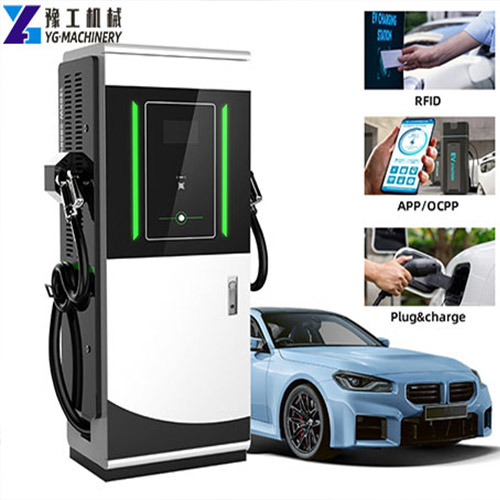
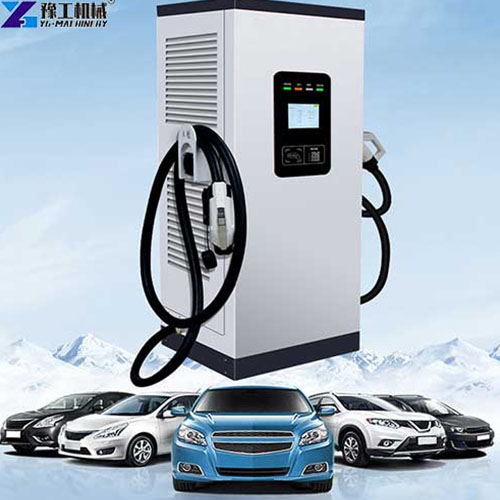
An electric vehicle charging pile is a stationary device that delivers electricity to plug-in vehicles. It works like a fuel pump but for EVs. Most units convert grid AC power into DC power that goes straight into the car battery. This type is called a DC charging pile, commonly known as a fast charger. You see them at highway rest stops, taxi depots, fleet yards, and shopping malls. A good charging pile cuts downtime to 20-30 minutes for a typical passenger car. If you need a reliable unit for commercial operation, contact YG for specs and a quote.
YG EV Charging Pile Parameters
| Model | YG-60 | YG-80 | YG-120 | YG-160 |
| Rated Power | 60kW | 80kW | 120kW | 160kW |
| Maximum Output Current | 160A | 180A | 240A | 240A |
| Constant Power Output Voltage Range | DC300~1000V | DC300~1000V | DC300~1000V | DC300~1000V |
| Host Computer Communication | Ethernet / 4G (optional) | |||
| Input Voltage | AC380V±15% | AC380V±15% | AC380V±15% | AC380V±15% |
| Input Frequency | 50Hz±10% | 50Hz±10% | 50Hz±10% | 50Hz±10% |
| Output Voltage Range | DC200-1000V | DC200-1000V | DC200-1000V | DC200-1000V |
| Protection Class | IP54 | IP54 | IP54 | IP54 |
| Installation Method | Floor-standing (ground fixed) | Floor-standing | Floor-standing | Floor-standing |
Main Components of an EV Quick Charger
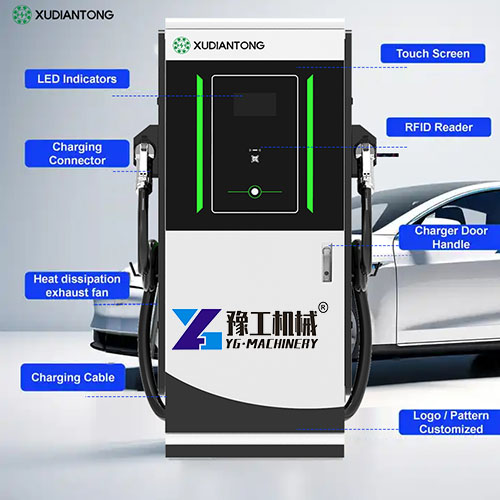
- Power module: Converts AC to stable DC. The heart of any fast charger.
- Control unit: Manages the session, talks to the car, sets limits, and runs safety checks. Handles OCPP if equipped.
- User interface: Screen or mobile app for start/stop, status, and payment. Some use just an RFID reader.
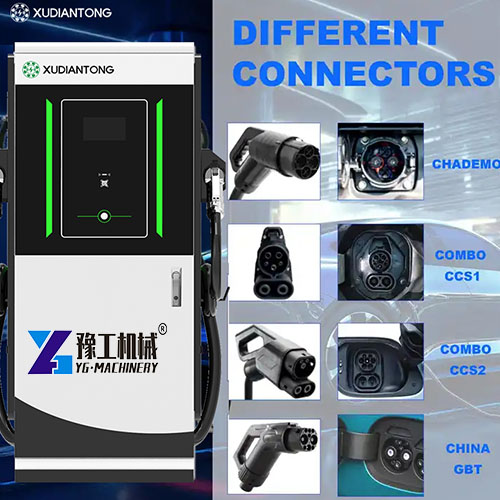
- Cable and connector: Physical link to the vehicle. Carries power and communication. Common types: GB/T, CCS2, CHAdeMO.
- Protection systems: Overvoltage, overcurrent, ground fault, thermal shutdown. Stops the flow in milliseconds if anything goes wrong.
Key Features for YG Electric Vehicle Charging Pile
1. Dual gun output – Two vehicles can charge at the same time
Power is shared dynamically between the two guns. When one vehicle finishes or leaves, the full power automatically goes to the remaining one. This reduces idle time for your station and increases daily turnover, especially during peak hours.
2. Wide voltage range – 200V to 1000V DC
It works seamlessly with 400V systems found in most passenger cars, as well as 800V systems used in new luxury EVs and electric trucks. You do not need to buy different piles for different fleets. One YG charger covers all current EV architectures.
3. Smart connectivity – Ethernet, 4G, and WiFi optional
With OCPP 1.6 support, the pile can talk to any compliant central management system. Station operators can start or stop sessions remotely, set dynamic pricing based on time of use, and download detailed usage reports. This makes fleet management and revenue tracking straightforward.
4. Rugged enclosure – IP54 rating
The enclosure is dust-tight and protected against water splashes from any direction. Operating temperature ranges from -20°C to +50°C. The machine sits outdoors for years with minimal maintenance, even in coastal or high-humidity areas. No need for an extra shelter.
5. Simple payment options – Built-in RFID reader
The built-in RFID reader works with prepaid cards. Users simply tap a card, charge, and the system deducts the balance automatically. No smartphone, app, or internet connection is required for payment. That is popular in fuel station conversions and rural areas.
6. Easy installation – Floor-standing unit
No buried cables or foundation work. Four anchor bolts into a flat concrete pad. Connect the AC input (three wires plus ground). Turn on. The screen shows a ready status. A local electrician can do it in half a day.
Where Do People Install an Electric Vehicle Charging Pile?
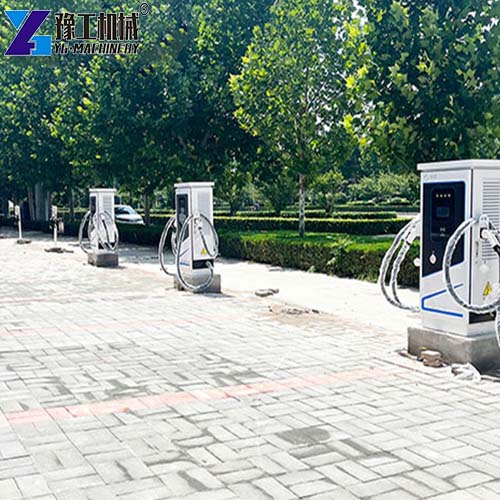
- Commercial charging stations: A row of YG-120 units next to a highway. Drivers pay by card or app. Each pile serves two cars. Downtime is low, turnover is high. This setup is ideal for high-traffic locations where every minute of charging matters.
- Taxi and ride-hail depots: Drivers return to the depot after a shift. They plug in for 30 minutes while they clean the car. The battery is full for the next driver. No waiting time means the fleet stays productive around the clock.
- Logistics and delivery fleets: Vans and light trucks stop for a quick top-up between routes. A 60kW unit is enough because they rarely drain the battery completely. Even a 15-minute charge can add enough range for the rest of the day.
- Hotels and resorts: Guests expect EV charging piles. A silent, wall-mounted 40kW DC unit (which YG also offers) fits in a parking bay. No transformer needed. Plug directly into the existing 380V supply. It adds a premium amenity without major electrical upgrades.
- Construction sites: Electric excavators and loaders need off-grid charging. A portable DC pile with a tow bar and a diesel generator backup works. The machine’s wide voltage range handles generator fluctuation. You can move it from site to site as work progresses.
- Home use for enthusiasts: Some homeowners buy a small 40kW DC unit because it charges a long-range EV (80kWh battery) in two hours. That is four times faster than a 7kW AC wall box.
Get Your Electric Vehicle Charger Price From YG
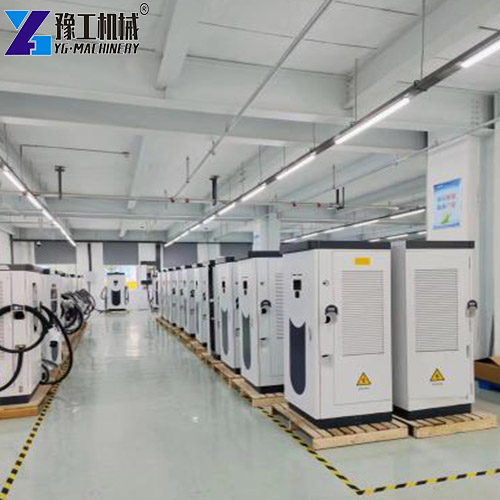
YG is a professional electric vehicle charging pile manufacturer with 15 years of experience. We export to over 30 countries. Every unit goes through strict quality control with real after-sales support. We offer GB/T, CCS2, and OCPP options. Please tell us your voltage, target country, and monthly sessions. We will recommend the right model and send you a detailed electric vehicle charger price within 24 hours. Contact YG today.