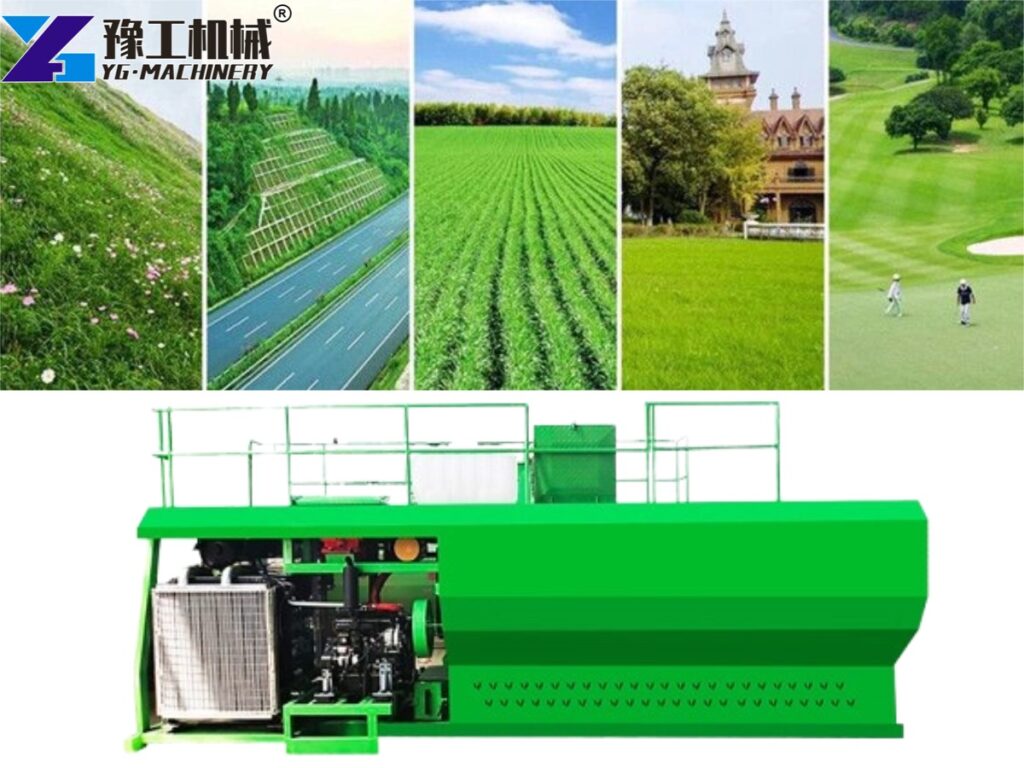
Large-scale land restoration demands speed, consistency, and proven results. Commercial hydroseeding delivers all three efficiently. The machine sprays a uniform slurry of seed, mulch, and fertilizer across vast areas in one pass. This method covers slopes, highways, and mine sites where traditional planting simply cannot reach. Projects that adopt hydroseeding typically see vegetation growth within weeks, not months. The technology saves labor costs and ensures even coverage across difficult terrain.
| Parameter | YG-2 | YG-4 | YG-6 | YG-8 |
|---|---|---|---|---|
| Tank Volume | 2m³ | 4m³ | 6m³ | 8m³ |
| Spraying Area | 200-500m² | 500-1500m² | 700-2000m² | 1000-2500m² |
| Spraying Distance (H) | 20-30m | 20-35m | 20-35m | 24-40m |
| Spraying Distance (V) | 10-20m | 10-25m | 10-25m | 15-30m |
| Pipe Head (H) | 20-50m | 20-60m | 20-70m | 30-80m |
| Pipe Head (V) | 20-30m | 30-40m | 30-40m | 30-50m |
| Weight | 1000KG | 1300KG | 1600KG | 1900KG |
| Dimension | 2.5×1.5×1.4m | 3.3×1.5×2.4m | 3.6×1.8×2.4m | 4.2×1.8×2.4m |
How Does a Commercial Hydroseeding Machine Work?
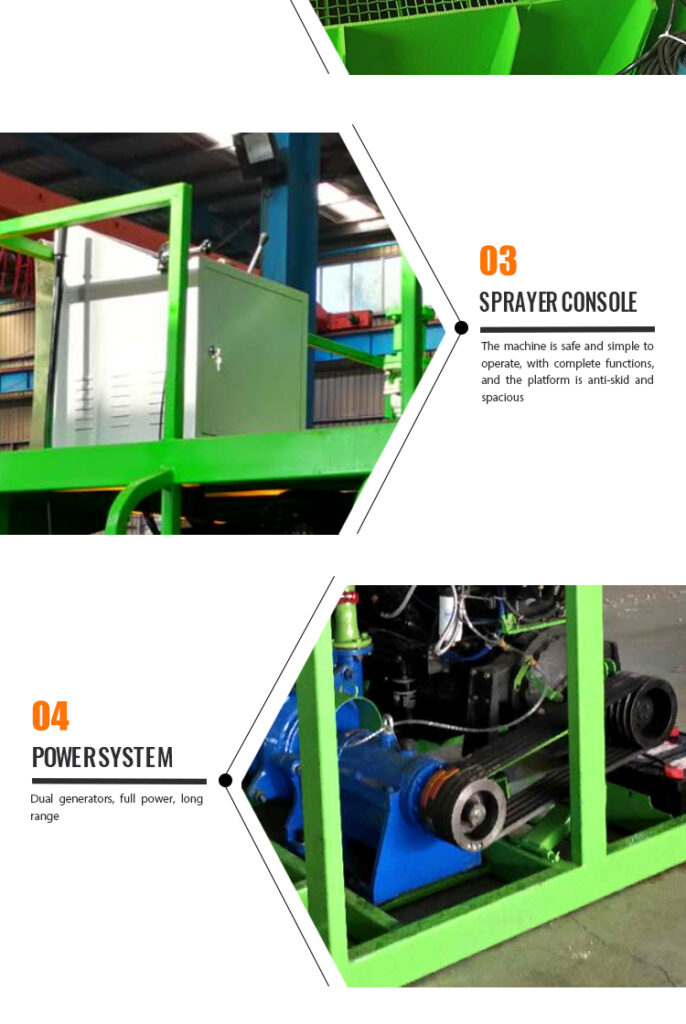
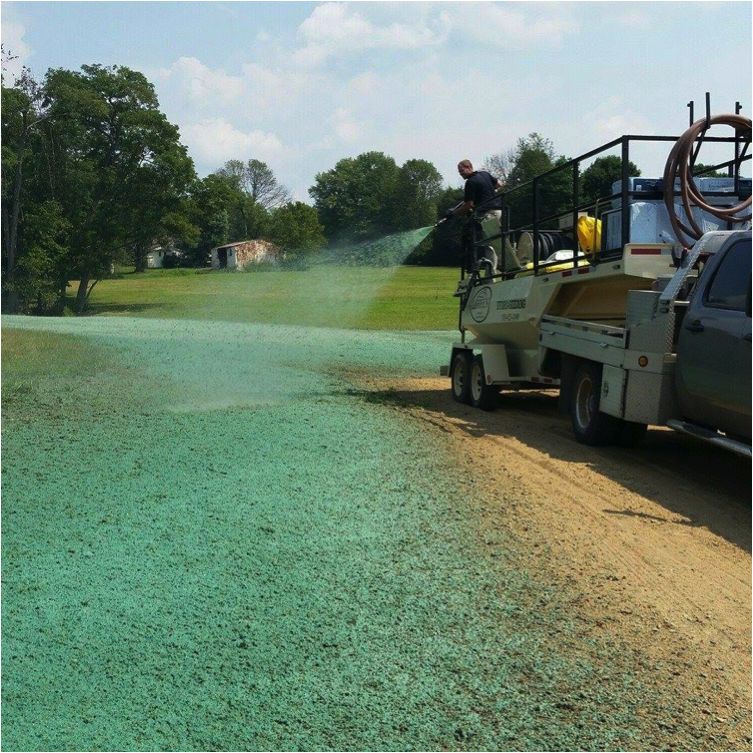
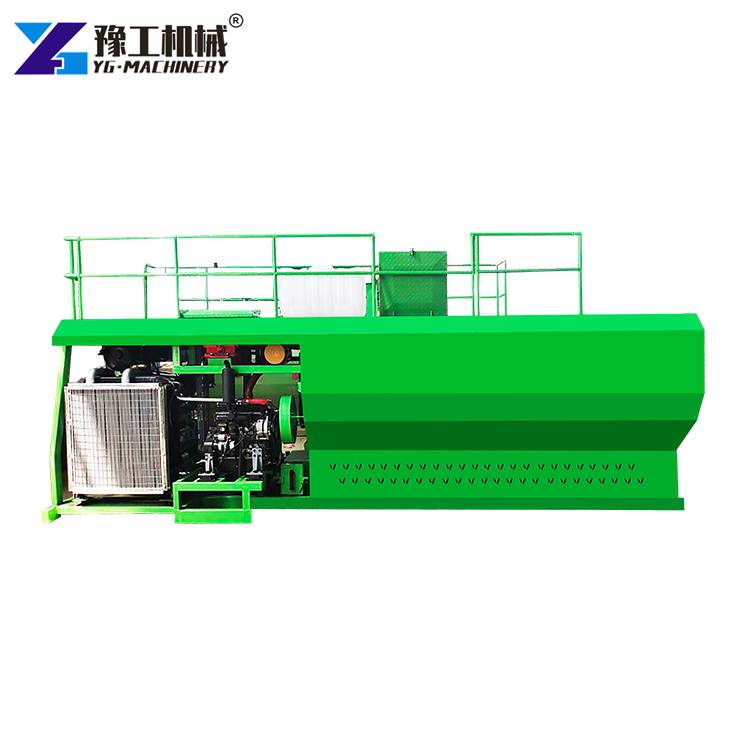
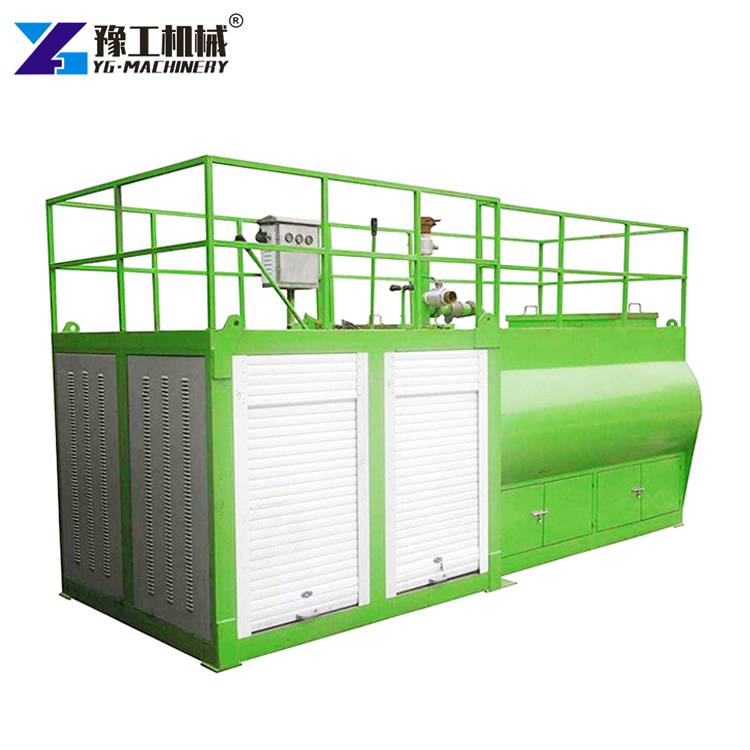
A hydroseeding machine blends water, seed, mulch, fertilizer, and binding agents into a uniform slurry mixture. A high-pressure pump then sprays this mixture directly onto the target surface. The key components work together as follows.
- The tank holds water and all dry materials for thorough mixing.
- The mechanical agitator keeps fibers and seed suspended during operation.
- The high-pressure pump pushes the slurry through hoses to the nozzle.
- The nozzle operator adjusts spray angle and distance for even coverage.
- The binding agent helps the mixture adhere to slope surfaces immediately.
This process creates a protective layer that holds seed firmly in place. Germination rates typically reach 85-95% under proper conditions. The mulch layer retains moisture and shields seed from UV exposure and erosion.

Key Advantages of Commercial Hydroseeding
Large-scale erosion control projects benefit from hydroseeding in several ways. Here are the main advantages.
- One machine covers up to 2,500 m² per tank load, reducing labor needs significantly.
- The slurry combines seed, fertilizer, mulch, and binder in a single application pass.
- Germination begins within 7-21 days depending on climate and seed selection.
- The mulch layer protects seed from wind, water erosion, and bird damage.
- Operating costs stay low with fuel consumption around 5-8 liters per hour.
- Vegetation establishes faster than dry broadcast or hand seeding methods.
These advantages make commercial hydroseeding the preferred choice for contractors and project managers. Government agencies and mining companies specify hydroseeding for large erosion control projects. The method delivers consistent results across diverse terrain and climate conditions.
Hydroseeding vs Traditional Seeding Methods
Understanding the differences helps project managers make informed decisions. Traditional seeding involves spreading dry seed by hand or mechanical spreader, then lightly raking soil over it. This approach requires multiple passes and depends heavily on rainfall for germination.
Hydroseeding applies everything in one operation. The mulch layer locks moisture around each seed immediately. Workers complete a 1,000m² slope in under one hour using a hydroseeding machine. The same area takes 3-5 workers an entire day with traditional methods.
Cost comparisons show hydroseeding saves 40-60% on total labor expenses. Seed loss drops below 5% with hydroseeding, compared to 30-40% loss with dry seeding. The protective mulch layer also reduces the need for re-seeding. These factors make hydroseeding vs traditional seeding a clear choice for most commercial projects.
Choosing the Right Commercial Hydroseeding Equipment for Mine Reclamation
Mine reclamation presents unique restoration demands that require specialized equipment. Selecting the right commercial hydroseeding machine for mine reclamation depends on several project factors.
- Calculate your daily coverage target to determine the needed tank volume.
- Steeper slopes require machines with higher vertical spray distances.
- Remote mine sites benefit from larger units to reduce water refilling trips.
- Check the pipe head pressure rating for your maximum pumping distance.
- Consider trailer-mounted models for jobs that require frequent relocation.
The YG-8 model handles the most demanding mine reclamation projects. Its 8m³ tank covers up to 2,500m² per load with a vertical spray reach of 30-50m. The YG-4 or YG-6 units work well for smaller reclamation sites or access-limited areas.
Hydroseeding for Highway Slope Protection
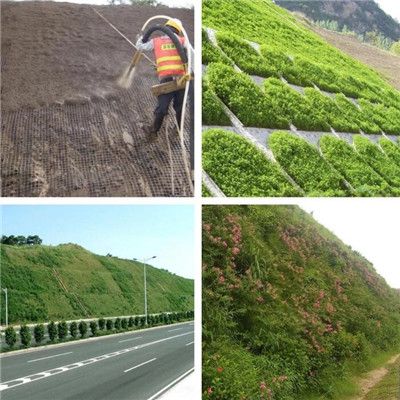
Road construction creates extensive cut and fill slopes that need immediate stabilization. Hydroseeding for highway slope protection prevents soil erosion, establishes vegetation, and ensures long-term embankment stability. The typical application process follows these steps.
- Engineers prepare the slope surface by removing debris and loose material.
- The hydroseeding machine applies a custom slurry mix along the full slope length.
- The mixture includes native grass seed, slow-release fertilizer, and wood fiber mulch.
- A soil binder ensures the slurry adheres firmly to the slope surface.
- Vegetation coverage reaches 90%+ within 60-90 days after application.
Highway authorities specify hydroseeding for its ability to cover large areas quickly. The method works on cut slopes up to 45 degrees. Root systems penetrate 30- 50 cm into soil, providing permanent slope reinforcement.
Commercial Hydroseeding Case Studies: Mining & Highway Projects
Case 1: Iron Ore Mine Reclamation in Perth, Australia
An iron ore mine near Perth, Australia needed to rehabilitate 15 hectares of exposed slopes. Years of mining had stripped topsoil and left barren rock faces. Rainfall caused severe erosion into nearby waterways. The company contracted a local erosion control firm to restore the site.
The team deployed two YG-8 commercial hydroseeding machines for the project. The slurry mix included drought-resistant native species and organic fertilizer with lime to neutralize soil acidity. Within six months, vegetation coverage reached 78% across all treated slopes. The site passed its environmental compliance audit within the first year.
Case 2: Highway Slope Stabilization in Medellín, Colombia
A highway construction project near Medellín, Colombia faced steep cut slope instability. Heavy rainfall averaged 3,000mm annually, washing away topsoil before any vegetation could grow. Previous dry seeding attempts failed twice in one rainy season. The project manager turned to hydroseeding as the final solution.
Two YG-6 machines applied a high-binder slurry with quick-germinating cover grass species. The binding agent content was doubled to resist surface runoff on 40-degree slopes. Vegetation coverage reached 65% within six weeks. The slopes remained stable through the full rainy season, saving the project $45,000 in rework costs.
FAQ About Hydroseeding Machine
A commercial unit covers 5,000- 15,000 m² per day depending on model and site conditions. Larger tanks reduce refill time and boost daily output.
Initial material costs are slightly higher per kilogram of seed. However, hydroseeding saves 40-60% on total project costs through reduced labor and faster completion.
Seeds germinate within 7-21 days under normal conditions. Full coverage depends on species, climate, and soil. Most projects achieve 85-95% vegetation coverage within 60-90 days.
Yes. Modern machines spray vertically up to 30- 50 m and handle slopes up to 45 degrees. Binding agents keep the slurry in place on steep surfaces.
Properly applied hydroseeding establishes permanent vegetation that lasts for years. The mulch breaks down naturally while the seed grows into mature ground cover.
Standard mixes contain seed, wood fiber mulch, NPK fertilizer, and a tackifying binder. Some projects add soil conditioners or moisture-retaining polymers.
Take Your Hydroseeding Operations to the Next Level
Contact us today to discuss your project requirements and discover our full range of commercial hydroseeding machines