You want a home. You don’t want a year-long construction nightmare, endless cost overruns, and a building permanently stuck to one piece of land. An expandable prefab house solves all three. It is factory-built, ships flat, and unfolds on your site in a single day. Here is how it compares to traditional stick-built homes on time, money, and flexibility.
What Is An Expandable Prefab House?
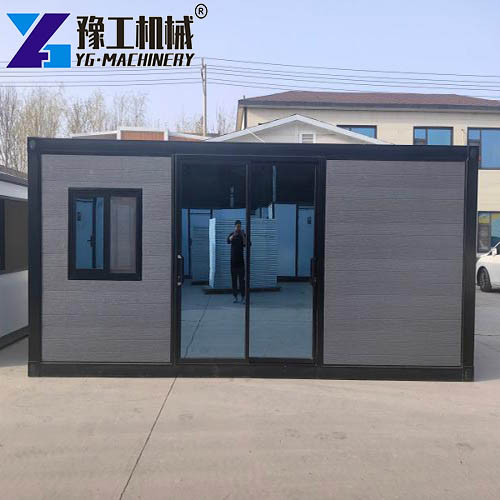
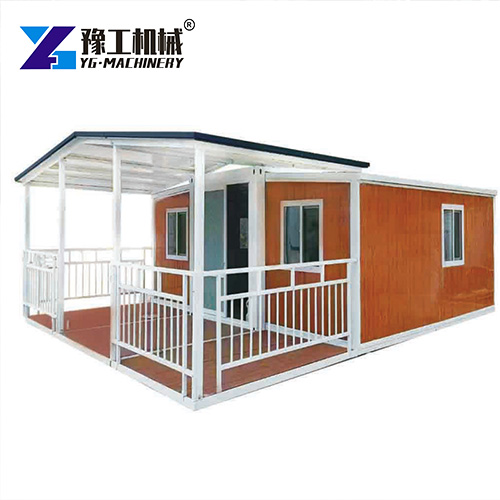
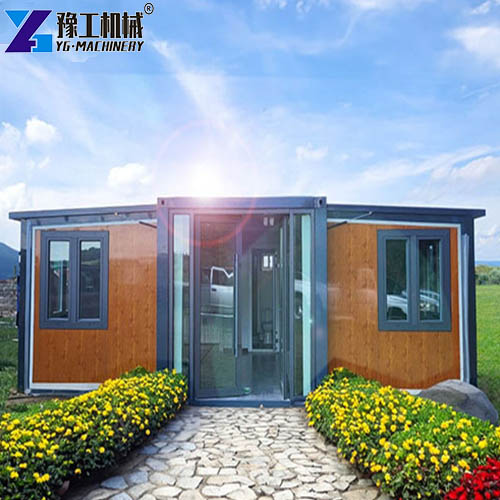
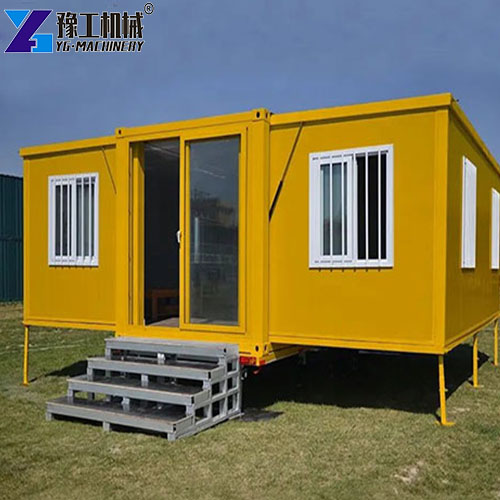
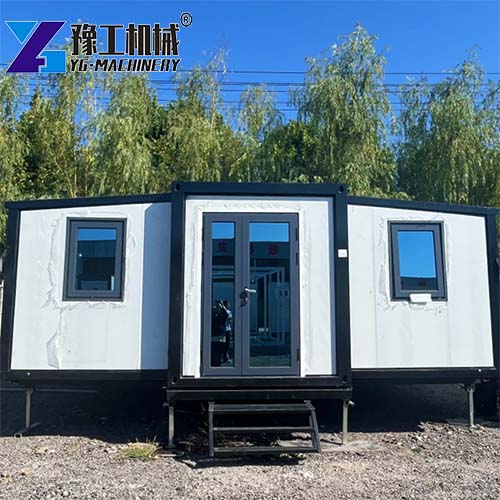
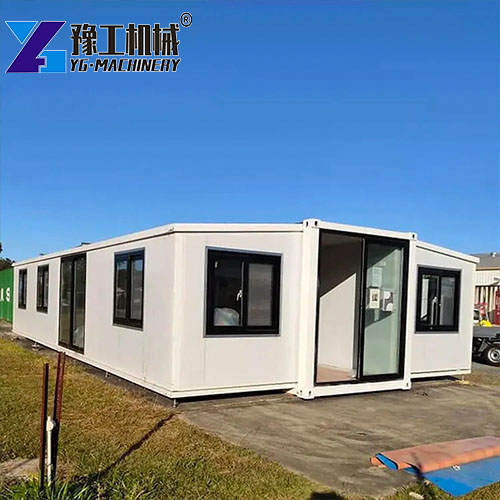
An expandable prefab house is a steel-frame structure that folds down to the width of a shipping container for transport. Everything—insulation, wiring, windows, doors, bathroom, and kitchen—is pre-installed at the factory. When the unit arrives on your land, a small crane unfolds it in a few hours. You connect water and electricity, and can move in the same day. No concrete foundation is required. A flat, compacted gravel or dirt surface is enough.
Container Home vs. Traditional House: 3 Core Comparisons
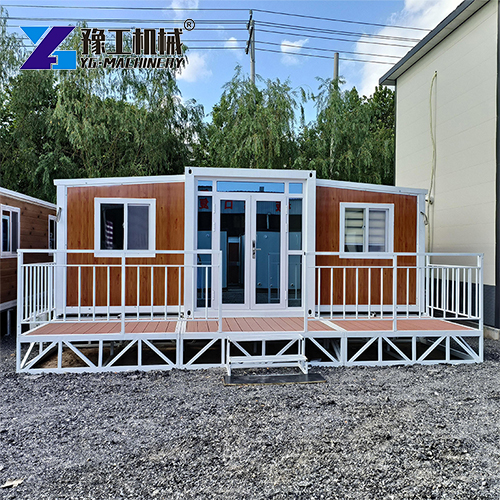
1. Time: Expandable Prefab Homes Cut Build Time by 90%
A traditional house takes six to twelve months to build, and that is if the weather cooperates and no materials are delayed. Rain, snow, and heat all stop work. In contrast, they are built indoors at the factory in two to three weeks. On-site setup takes less than one day. From delivery to move-in, you are looking at about 48 hours—roughly a 90% reduction in on‑site construction time.
2. Cost: Portable Expandable Homes Have No Budget Surprises
Traditional houses often run 30–50% over budget due to soil issues, material hikes, and labor shortages. A movable shipping container home has a fixed factory price—steel frame, insulation, wiring, windows, doors, bathroom, kitchen, and flooring all included. A 40ft container home costs $18,000–$35,000 factory-direct, plus about $500 for a gravel pad. A traditional 1,000 sq ft house runs $165,000–$285,000. Per square foot, a container home is 50–70% cheaper. Many buyers pay cash and own it debt-free.
3. Flexibility: Movable Shipping Container Homes Go Where You Go
A traditional house is permanent. If you change jobs or want to move to another state, you cannot take the house with you. You have to sell it or leave it behind. An expandable prefab home can be refolded. Unplug the utilities, fold the unit back down (half a day), load it onto a flatbed truck, and set it up on new land. Relocation costs a few thousand dollars—not the price of a new house.
Product Recommendation: YG Machinery Expandable Prefab House
| Model | External dimension (mm) | Internal dimension (mm) | Folded state (mm) | Total mass(kg) |
| 20FT | W6320*L5900H*2480 (Side 2270) | W6160*L5560*H2240 (Side 2150) | W2200*L5900*H2480 | 2500 |
| 30FT | W6360*L9000*H2480 (Side 2180) | W6200*L8660*H2240 (Side 2060) | W2200*L9000*H2480 | 3750 |
| 40FT | W6240*L11800*H2480 (Side 2180) | W6080*L11540*H2200 (Side 2060) | W2200*L11800*H2480 | 4400 |
Key Features of Expandable Prefab Homes
- Built for long-term use: The galvanized steel frame resists rust, fire, and termites. Polystyrene foam insulation keeps indoor temperatures stable, cooler in summer, and warmer in winter. Walls are easy to clean. The structure holds up for 15–25 years with basic maintenance.
- Rodent-proof and pest-resistant: Unlike traditional wood-frame houses, expandable prefab homes have no wall cavities for pests to nest in. Floors are made of MGO board, which does not attract insects. The steel frame and sealed panels keep mice and bugs out.
- Pre-installed bathroom and kitchen: Every unit comes with a bathroom including toilet, wash basin, and shower, plus a kitchen with sink and storage cabinets. Flooring, light fixtures, and wiring are already in place. You only connect to local utilities. No need to hire plumbers or electricians.
- Expandable and combinable: These units can be joined side by side to create larger living spaces or stacked up to two stories high. The modular design lets you start small and expand later without rebuilding.
Get a Quote from YG in 24 Hours
YG Machinery is an integrated manufacturer and trader. Our products have been exported to the United States, Australia, Germany, France, Spain, Italy, Belgium, Ireland, and the Czech Republic. Every folding house is strictly quality‑controlled before shipping, and the main components come with a one‑year warranty. We also offer fast spare parts delivery.
If you want an expandable prefab house of your own, contact us. We accept custom orders — please tell us your desired size, number of bedrooms and bathrooms, destination port, and electrical standard. We will recommend the best model and send you a quote within 24 hours. Contact YG Machinery today.
Frequently Asked Questions
No. A flat, compacted surface. A flat, compacted surface is enough — gravel, concrete slab, or hard dirt. If the ground is uneven, simply level it with sand or gravel. The surface is enough — gravel, concrete slab, or hard dirt. If the ground is uneven, simply level it with sand or gravel.
15–25 years. With normal use and basic maintenance, the galvanized steel frame and MGO wall boards resist rust, moisture, and pests — comparable to traditional light‑steel structures.
No. The walls are filled with polystyrene foam insulation. In 0°C (32°F) weather, a small heater keeps it comfortable. In summer, air conditioning runs much less often than in a bare metal container.
Yes, up to two floors. Multiple units can be stacked vertically with proper connectors and sealing strips. The steel frame is reinforced for stacking, but two stories is the recommended maximum.
Yes. You can choose metal decorative panels, glass curtain walls, and custom colors. Window positions, interior partitions, kitchen, and bathroom layouts can all be adjusted based on drawings.