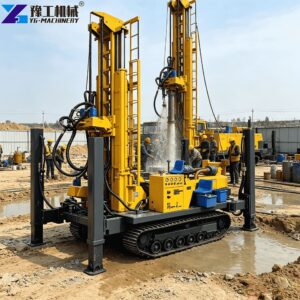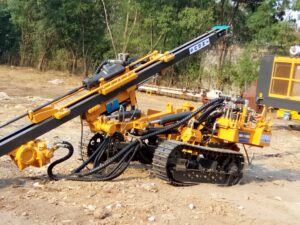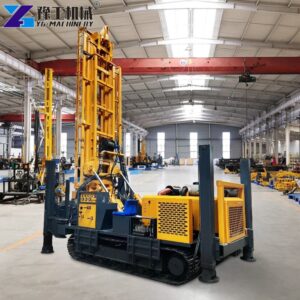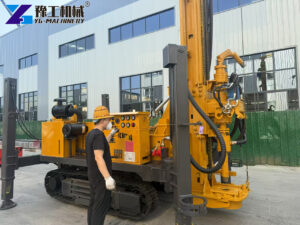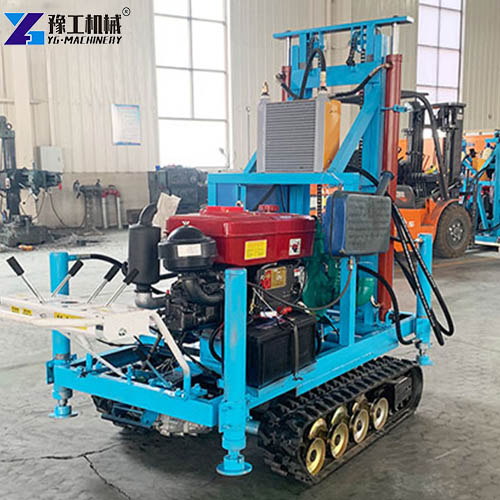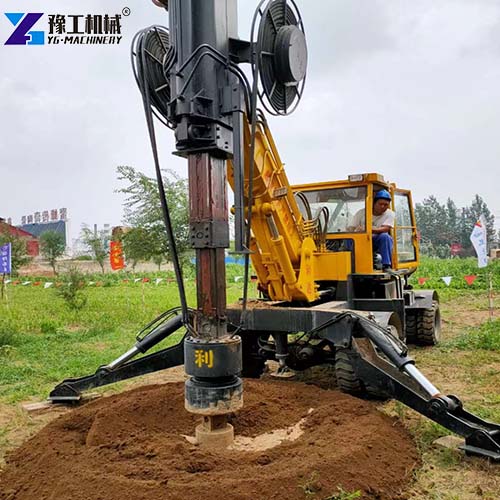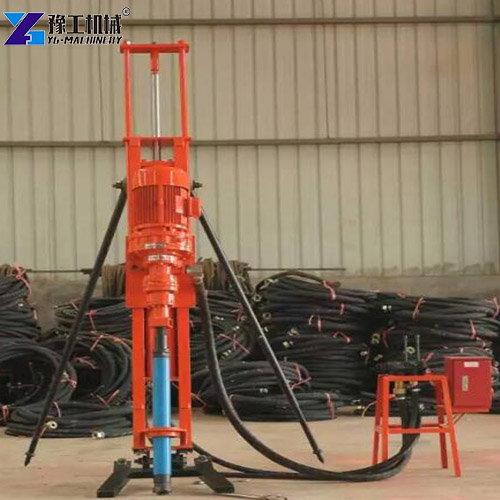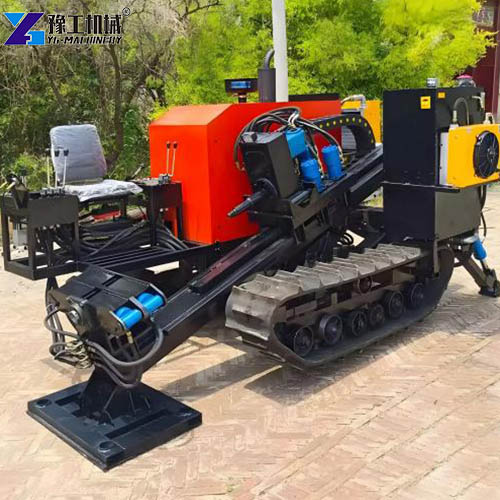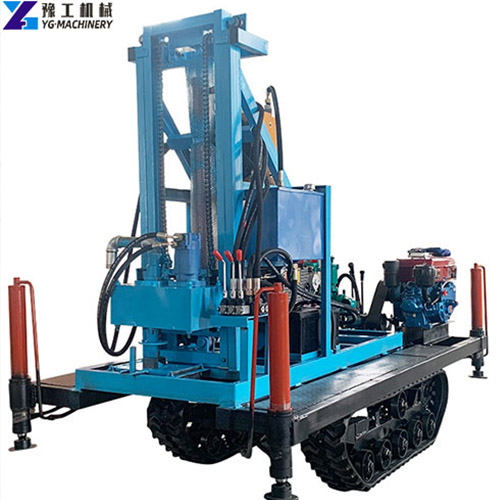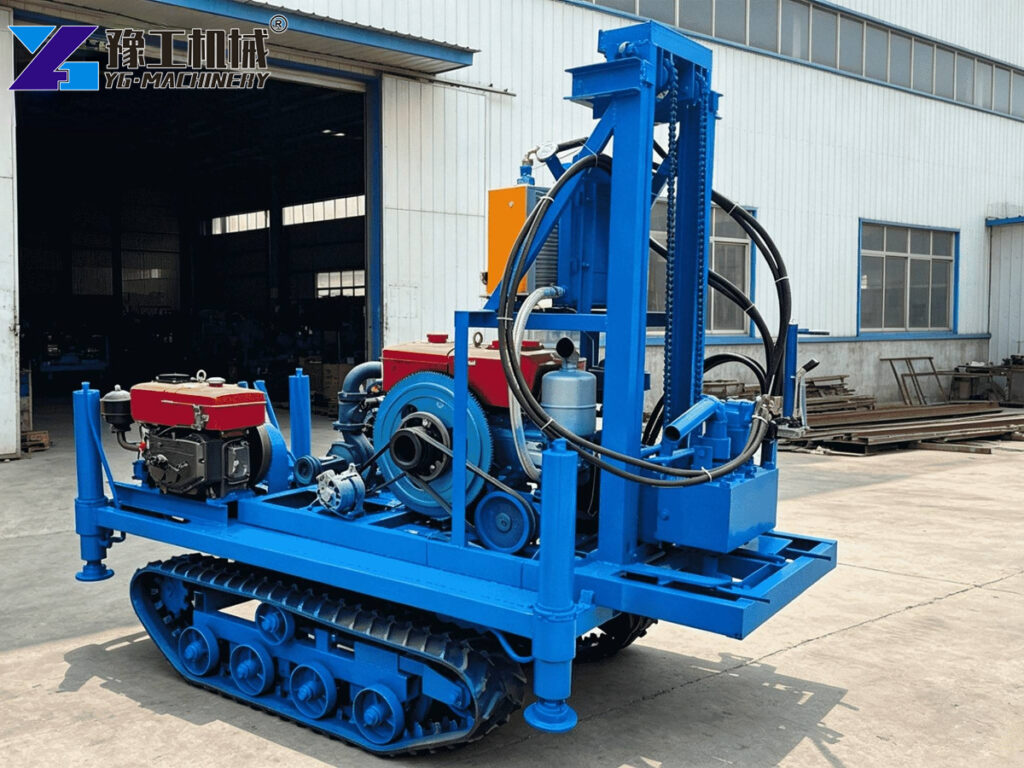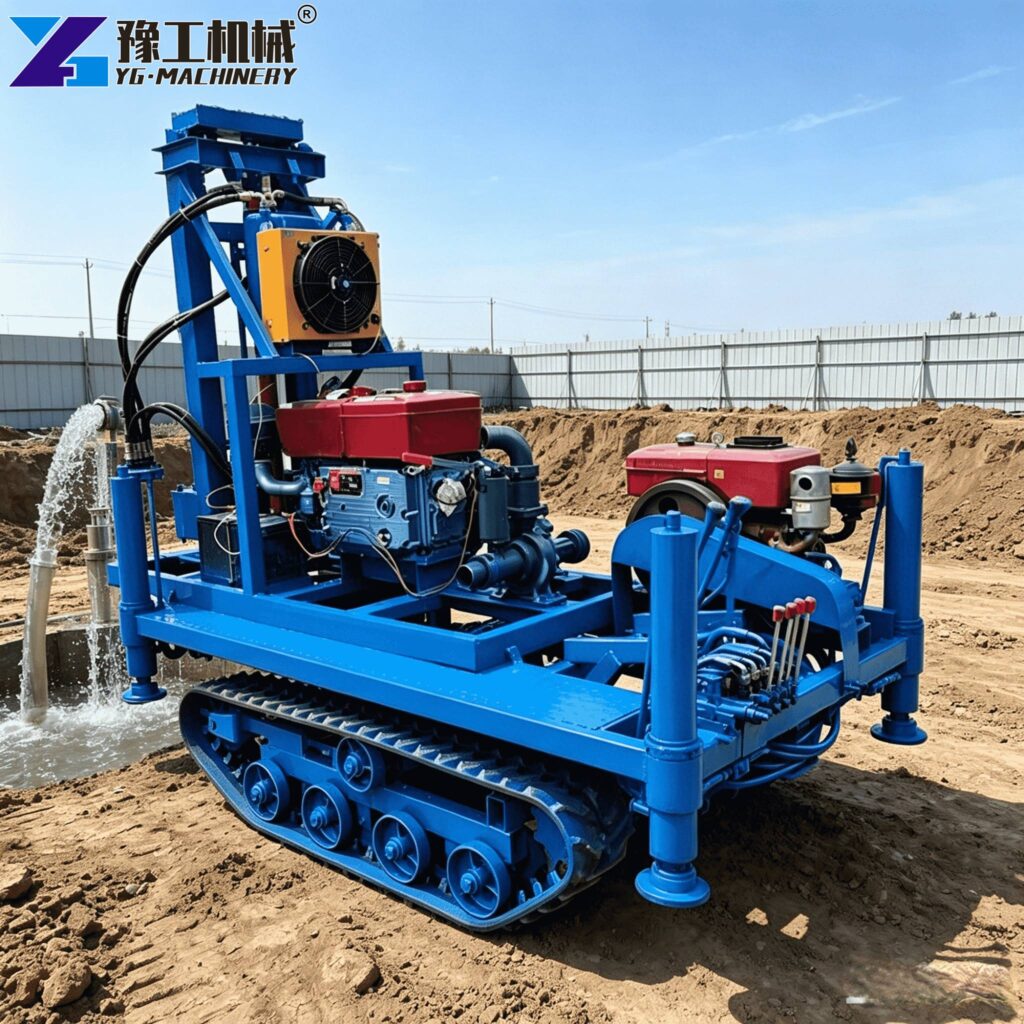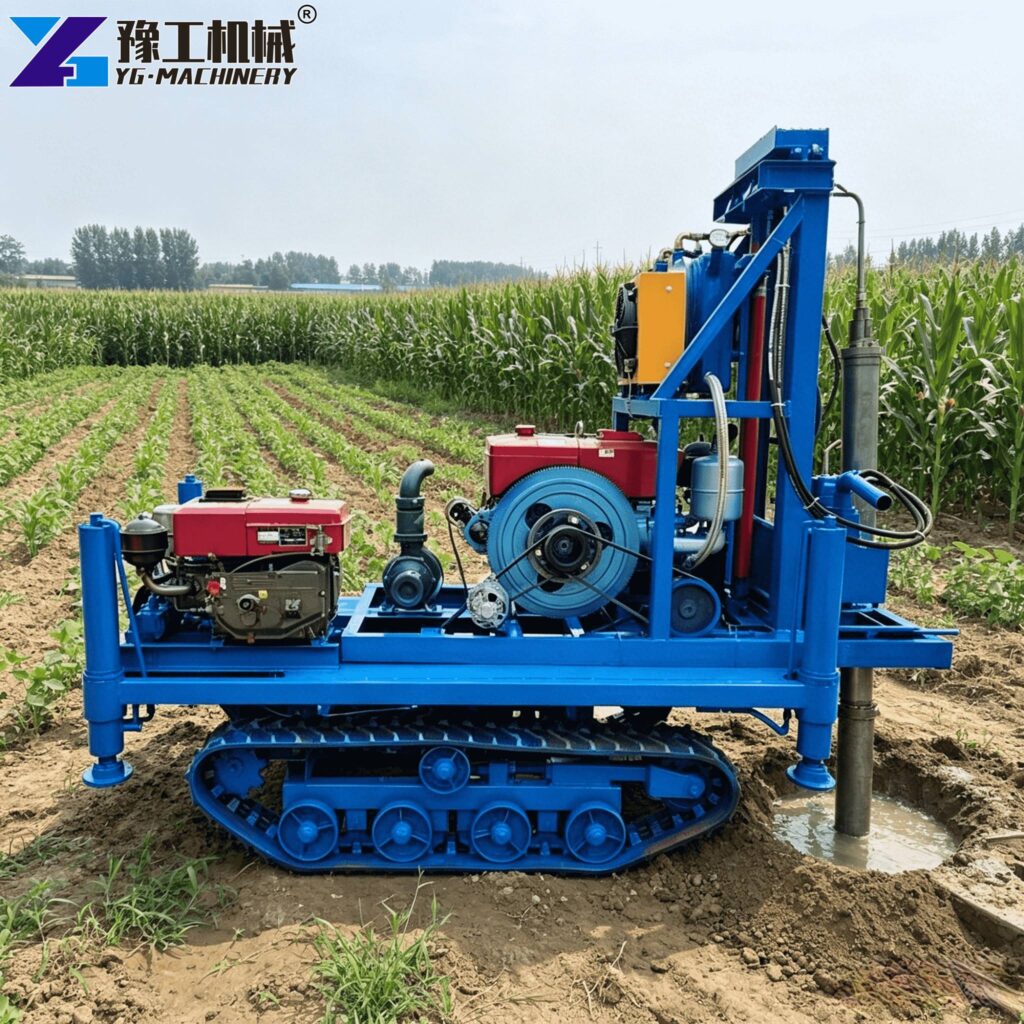

Every tough site deserves a fast, reliable borehole. A pneumatic water well drilling rig combines a down-the-hole hammer, full hydraulic control, and 180 to 600 meter reach to cut water costs and downtime. Hard rock, remote ground, or deep production wells all fall within its working range. Tell us your site, and YG Machinery will send a pneumatic water well drilling rig quote with a tailored plan within one day.
| Item | Unit | YG-180 | YG-200 | YG-300 | YG-300A | YG-400 | YG-600 |
|---|---|---|---|---|---|---|---|
| Drilling diameter | mm | 140-254 | 140-305 | 140-325 | 140-325 | 140-350 | 140-350 |
| Drilling depth | m | 180 | 200 | 300 | 300 | 400 | 600 |
| Single stroke | m | 3.4 | 3.4 | 6.6 | 3.4 | 6.6 | 6.6 |
| Travel speed | km/h | 2.5 | 2.5 | 2.5 | 2.5 | 2.5 | 2.5 |
| Max slope | ° | 30 | 30 | 30 | 30 | 30 | 30 |
| Engine power | kW | 55 | 65-70 | 84 | 75.8 | 92 | 115 |
| Working pressure | MPa | 1.7-2.5 | 1.7-3.0 | 1.7-3.3 | 1.7-3.0 | 1.7-3.5 | 1.7-3.5 |
| Air consumption | m³/min | 17-31 | 17-30 | 17-35 | 17-35 | 17-35 | 17-35 |
| Rod length | m | 1.5-3.0 | 1.5-3.0 | 1.5-6.0 | 1.5-3.0 | 1.5-6.0 | 1.5-6.0 |
| Rod diameter | mm | 76,89 | 76,89 | 89,102 | 76,89,102 | 89,102,108 | 102,108,114 |
| Pull-up force | t | 15 | 12 | 20 | 16 | 22 | 28 |
| Rotation speed | rpm | 45-65 | 45-70 | 45-115 | 40-70 | 45-115 | 45-115 |
| Rotation torque | N·m | 3200-4600 | 3500-4800 | 6200-8500 | 5700-7500 | 6500-9000 | 8500-11000 |
| Overall size | mm | 3800x1500x2200 | 4000x1750x2450 | 5900x2000x2850 | 4100x1950x2600 | 5900x2100x2850 | 6000x2200x2850 |
| Weight | kg | 4500 | 5800 | 9000 | 7000 | 10000 | 12000 |
Get Factory Quote | WhatsApp/Tel: +86 183 3715 2861
How the Pneumatic Water Well Drilling Rig Works
A pneumatic crawler drill drives a down-the-hole hammer with compressed air. The hammer impacts, and air return clears the bore in one smooth cycle. Wells come in straight and fast.
Down-The-Hole Hammer Action
- Working pressure from 1.7 to 3.5 MPa powers the hammer
- Rotation turns the string from 45 to 115 rpm
- Air flow of 35 m³/min lifts cuttings to the surface
Compact Crawler Design
- Self-propelled chassis walks at 2.5 km/h
- Handles a 30-degree slope on rough access
- Single stroke from 3.4 to 6.6 meters saves setup time
Low moving part counts keep this design dependable. Drillers use one machine for village wells and deep production bores alike. Wells stay straight and productive for years with routine care.
Air drilling suits wells, piles, and water exploration in one pass. The compressor pressurizes a sealed air line. Air reaches the hammer and drives a hard steel impact. Return air then forces chips up the annulus. This loop removes cuttings without mud or pumps. The crew read a simple depth gauge as drilling advances. Rotation pulls the hammer back for each new rod. This rhythm keeps penetration steady all day.
Daily checks take only minutes. Operators verify air line seals and hammer oil. Grease the rotary head before each shift. Worn bits cut slowly and waste energy. Replace a bit when gauge pressure rises. Keep spare hammers and bits on site. This habit protects penetration rate all season.
Choose the model that fits your fleet and budget. The YG-200 balances cost and reach for many farms. Contractors with deep jobs prefer the YG-400 or YG-600. Compare pull-up force, torque, and weight before buying. This pairing saves money on transport and operation.
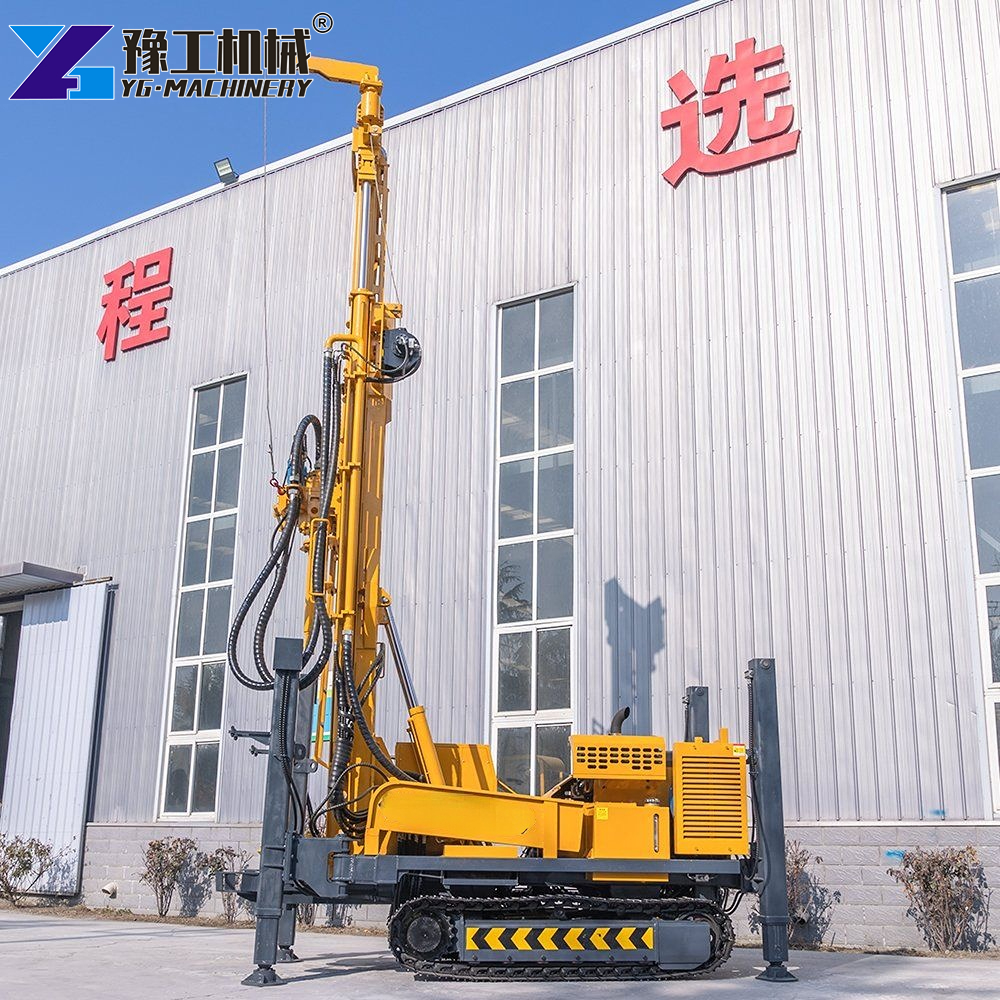

Hard Rock Water Well Drilling Rig Capability
Hard rock is where air drilling shines most. A hard rock water well drilling rig cuts granite and basalt at a steady pace.
Strong Torque and Air Supply
- Rotation torque reaches 11000 N·m on large models
- Bit range from 140 to 350 mm fits varied formations
- Wide air supply keeps hammer force consistent
Pull-Back Power
- Pull-up force spans 12 to 28 tons
- Prevents stuck strings in unstable ground
- Handles broken layers with steady rotation
Air keeps the bit cool, so tool life stays long in abrasive rock. Operators avoid heavy mud in dry country. This saves water and cuts clean waste. Remote teams trust this method for fast progress. Drill strings return smoothly at the end of each rod. Clients use a full hydraulic core drill rig for rock core lab samples.
Choose working pressure to match your hardest layer. A pressure range up to 3.5 MPa gives reserve on dense basalt. Air consumption from 17 to 35 m³/min keeps the hammer fed. Bigger compressors shorten cycle time on deep holes. Rotation torque from 3200 to 11000 N·m powers a large bit. Pull-up force to 28 tons recovers long strings safely. These numbers guide the right model for each site. Quarry teams also run a down-the-hole drill rig for blast holes.

Key Advantages of a Pneumatic Water Well Drilling Rig
Speed and low running cost are big wins. A pneumatic water well drilling rig pays back on every project.
Speed and Savings
- Air drilling is fast in fractured rock
- No mud system lowers water and supply costs
- Less cleanup keeps the site simple and safe
Versatile Fleet Fit
- YG-180 suits shallow village and farm wells
- YG-300 to YG-600 cover deep production bores
- Compact widths ease transport to mountain sites
An Australian remote-site team chose a YG-300 for dry terraces. They finished a production well in three weeks. Downtime stayed low across the whole season. Fuel and air use kept operating margins intact. The rig worked well with their existing compressor fleet.
Air packages earn more than water wells. The same compressor supports other air tools on site. A second rig can share the air plant when idle. This flexibility improves fleet utilization. Backup parts reduce worry on long jobs. Our team talks through rental and purchase options. Compare running costs against mud rigs before you choose. Large foundation piles call for a rotary drilling rig instead.
Servicing follows a standard plan. Check hoses, grease, and oil after each shift. Inspect hammer wear every few weeks. Order common parts before the season starts. Store spare air filters in a dry box. This routine prevents long downtime in the field. Predictive checks beat emergency repairs every time. Most owners recover the investment over a few wells.
Air drilling also protects the water table. It avoids clay and mud that can seal a wet zone. Clean holes help accurate testing of yield. This makes air a smart choice for drinking wells. Operators monitor flow after each completion. Reliable data builds confidence for the client. Loose soil needs a reverse circulation drill rig with mud support.
Full Hydraulic Water Well Drilling Rig Control
Precise control comes from a full hydraulic water well drilling rig layout. Levers manage stroke, feed, and rotation without jerky steps.
Smooth Feed and Rotation
- Hydraulic cylinders deliver steady down-feel
- Rotation speed adjusts for soft and hard ground
- Feed rate matches hammer input for clean holes
Operator-Friendly Setup
- One operator runs the whole drilling cycle
- Gauges show air pressure and torque in real time
- Emergency stops protect the crew on site
New users learn the controls in a short session. Service checks follow a clear daily sequence. Fewer electrical parts reduce fault risk in wet weather. Greasing and oil checks keep the unit reliable. Training guidance helps field teams start fast.
Depth control matters on water wells. Hydraulic feed holds a steady rate as the bit bites. Operators adjust speed when ground changes. Torque and air gauges reveal the rock ahead. A small feed change avoids binding in wet clay. Consistent control extends hammer and bit life. Service teams appreciate the simple valve layout. This design keeps maintenance quick on busy sites. A clear manual covers checks and common fixes.
Rotation speed ranges differ by model. YG-180 runs 45 to 65 rpm for shallow wells. Larger units reach 115 rpm for fast circulation. Choose the rotation that clears chips cleanly. Feed and rotation work together for straight holes. This balance avoids binding and crooked wells.
Operator comfort improves long shifts. Clear windows give a full view of the mast. Control levers sit within easy reach. A simple seat stays comfortable in the sun. Good ergonomics reduce mistakes at depth. Support staff review operating data on request. This keeps focus on the drilling task.

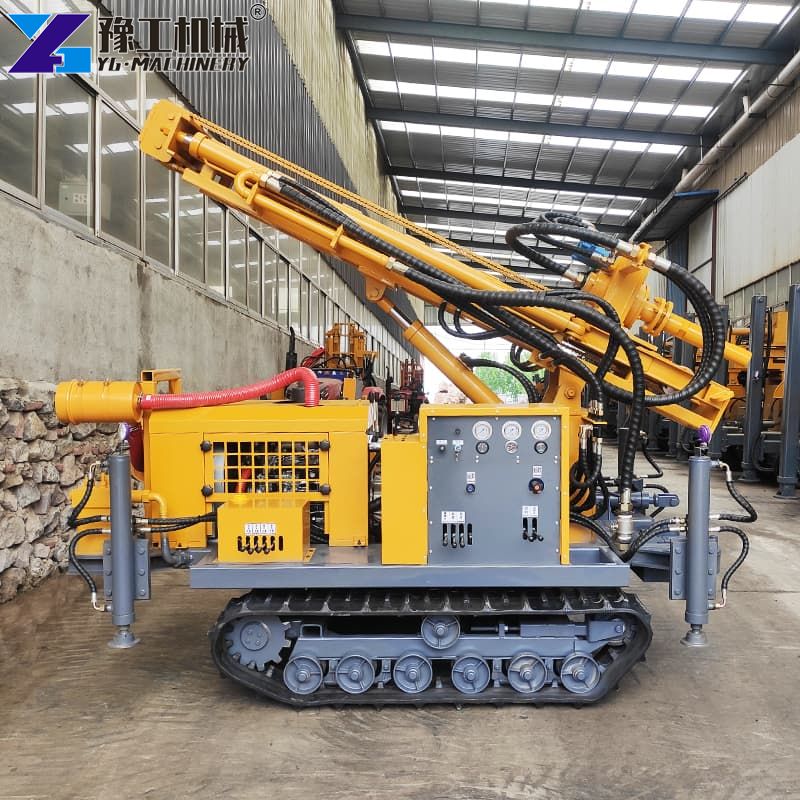
Heavy Duty Water Well Drill Rig for Remote Sites
Remote drilling needs a heavy-duty water well drill rig that runs alone for days. Tough builds and clear support matter most.
Tough Build and Sizing
- Chassis and mast handle rough haul roads
- Steel plate guards protect hydraulics and lines
- Weight from 4500 to 12000 kg matches transport
Logistics and Support
- Compact width suits container freight
- Spare kits ship together with the unit
- Support teams guide setup by call or message
Long distances raise the cost of every mistake. Operators prefer reliable parts and clear service plans. A simple rotary head lowers field repair needs. Packed spares shorten the wait for replacements. This keeps remote wells on schedule. We help plan fuel, air, and crew needs before drilling starts.
A heavy duty water well drill rig still stays simple to erect. The mast raises with hydraulic cylinders in minutes. Outriggers level the base on uneven ground. This cuts setup time compared to older designs. Field crews work alone with minimal help. Operator seats and guards meet basic safety expectations. Real service data guides routine service intervals. Field support is one call or message away. For bores under roads, a horizontal directional drilling rig crosses the ground cleanly. Tank and pump checks follow the schedule in the manual.
Transport planners often ask about overall size. The YG-300 fits a 5900x2000x2850 mm envelope. A flatbed or container carries most models. Outriggers rest on timber pads for level ground. This setup takes under an hour to complete. Site owners appreciate the compact footprint. Less space needed means more working room.
Request Solution for My Business
Get a Pneumatic Water Well Drilling Rig Quote
Ready to start your next well? Contact YG Machinery for a pneumatic water well drilling rig quote. Tell us your depth, rock, and hole size.
We match the right model and air package for your ground. We explain drilling depth, pull-up force, and rotation range clearly. Our team provides training, spares, and maintenance support. Ask about compressor packages and export shipping. Compare YG-180 to YG-600 against your targets. We send clear pricing and delivery details. Upload your site map for a custom plan. We reply within one business day.
Many companies buy after a site evaluation. We can arrange a trial on your ground. Ask about local agents and spare depots.