
Global EV sales surpassed 14 million in 2024. The charger market will reach $120 billion by 2028. This growth creates huge opportunities. Many entrepreneurs are entering the car charging station business. But success depends on one key decision. You need to choose the right EV charger. The wrong choice leads to high costs and low customer satisfaction. The right choice brings steady revenue. How do you make this decision? This guide provides clear answers. We will help you select the perfect charger for your site.
Why Your Car Charging Station Business Needs a Reliable 60kW or 80kW Charger
Your car charging station business relies on uptime. A reliable charger keeps customers happy. A fast charger attracts more users per day. This directly increases your daily revenue. Slow chargers may seem cheaper initially. However, they frustrate customers who need a quick charge. The right equipment builds your brand’s reputation. It encourages repeat visits. It also reduces maintenance headaches. Choosing a high-quality DC fast charger is a long-term investment. It protects your cash flow and supports business growth.
Know Your Customers to Choose Between 60kW, 80kW, and 120kW DC Fast Chargers
Who will use your charging station? This is the first question to ask. Different vehicles charge at different speeds. A taxi fleet needs a rapid 120kW charger. They cannot wait for hours. An office parking lot may only need 60kW chargers. Employees park for 6 to 8 hours. They have time for slower charging. What about a highway stop? Drivers want a quick boost. They need 80kW or 120kW options. Analyze the traffic in your area. What type of EV models are common? Do you serve local delivery vans? Or mainly private passenger cars? Understanding your audience guides your power choice. This prevents over-investing in unnecessary capacity. It also avoids under-serving your market.
Match Your Location Strategy to the Right DC Fast Charger Model
Location determines the best charger for your car charging station business. Consider these scenarios:
- Destination Charging (Hotels, Malls): Visitors stay for 1 to 3 hours. A 60kW charger fits well. It provides a solid top-up during their visit.
- On-the-Go Charging (Gas Stations, Highway Rest Stops): Drivers stop for 20 to 40 minutes. They need the fastest option. An 80kW or 120kW charger is essential here.
- Workplace Charging: Employees stay for a full shift. 60kW chargers are cost-effective and sufficient.
- Depot Charging (Fleet Vehicles): Taxis and delivery vans return to base. They often require a mix of 80kW and 120kW chargers. This ensures quick turnaround for the next shift.


Understanding Key Technical Parameters (60kW, 80kW, 120kW)
Technical specifications can seem overwhelming. You don’t need to be an engineer. But you must understand a few core numbers. These numbers affect your total cost of ownership.
Output Voltage and Current Range
All three models (60kW, 80kW, 120kW) operate from 200 to 750 VDC. This covers all standard passenger EVs. However, the current output differs. The 120kW model pushes up to 160A in the 200-500V range. This means it charges compatible EVs much faster. The 60kW model provides 90A. This is adequate for overnight or workplace charging.
Efficiency and Power Factor
All models offer ≥94.5% efficiency. This means very little energy is wasted. You save money on electricity. A high power factor (≥0.99) also reduces grid stress. This matters if your site shares power with other businesses.
Protection and Durability
IP54 protection is standard across all models. This means the charger is safe from dust and water splashes. It works outdoors in all weather. The operating temperature range is impressive. It functions from -25°C to +50°C. This ensures reliable performance in any climate. The MTBF (Mean Time Between Failures) is 100,000 hours. This represents a robust and durable piece of equipment. These features reduce your maintenance calls.
Cost Analysis: 60kW vs. 120kW Chargers for Your Car Charging Station Business
A 60kW charger has a lower purchase price. But your car charging station business earns less per session. It may not attract drivers who are in a hurry. A 120kW charger costs more upfront. However, it can serve three or four times more cars per day. This generates significantly more revenue.
You also need to consider installation costs. Higher power often requires a larger electrical supply. This can increase installation expenses. Always consult an electrician before purchasing. They can check your site’s capacity. There is no point in buying a 120kW charger if your site cannot support it. Some locations may need a transformer upgrade. This cost must be factored into your business plan. The best choice balances your budget, site capacity, and customer demand.
Grid Connection Requirements for 80kW and 120kW Commercial EV Chargers
You must consider your site’s electrical infrastructure. Higher power chargers need more robust connections. A 120kW charger draws a significant load. This might require a dedicated transformer. A 60kW charger is easier to install. It works well with existing electrical systems. This makes it a popular choice for smaller sites. However, future-proofing is important. You may want to install wiring for higher capacity now. This saves money later if you upgrade. Always work with certified professionals for installation. Proper setup ensures safety and optimal performance.

Smart Features to Seek in Your EV Charger (OCPP and Load Balancing)
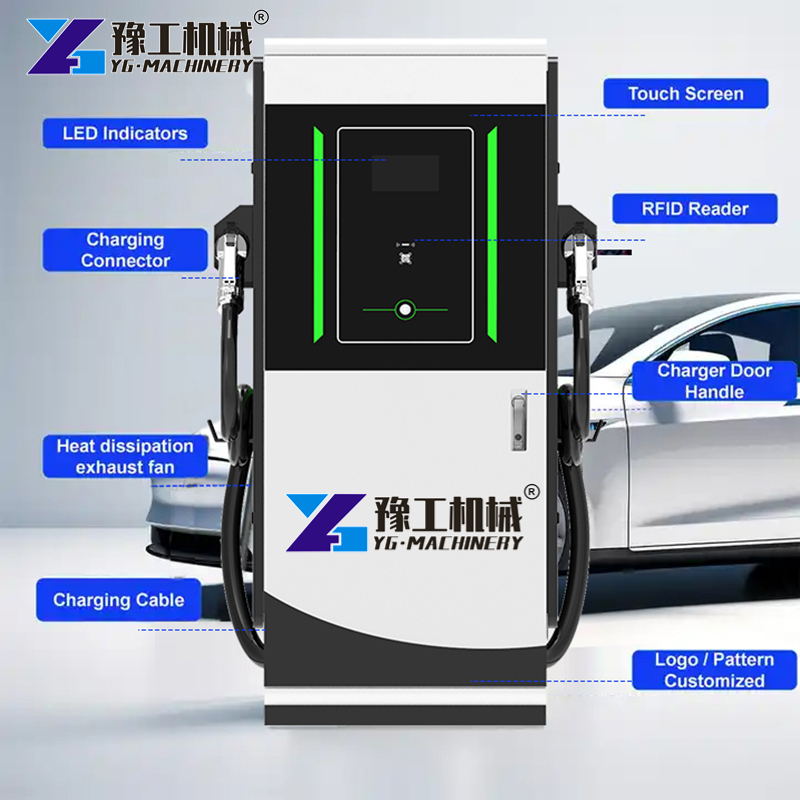
Modern chargers include smart technology. Look for remote monitoring capabilities. This allows you to see charger status in real time. You can diagnose problems without going on-site. Smart features also include payment integration. This allows for easy billing. Customers appreciate a smooth payment experience. Other features to consider include:
- Dynamic Load Balancing: Prevents overloading the local grid.
- OCPP Compliance: Allows management through a central platform.
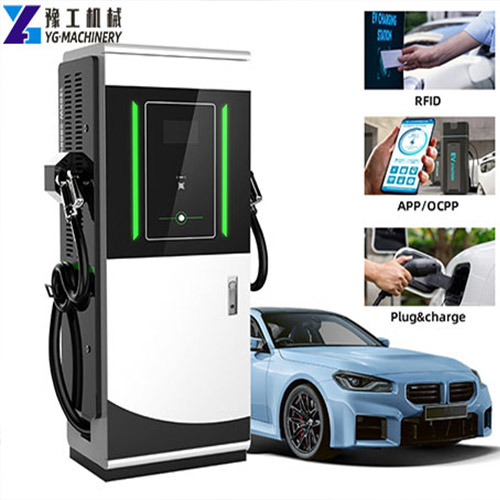
- User Authentication: Supports RFID cards or app-based access.
Why YG Machinery’s 60-120kW EV Chargers Are Your Best Investment
YG Machinery offers a reliable product line for your car charging station business. Our chargers are built to last. They feature high efficiency and low harmonic content. This means they are gentle on the grid. The robust protection rating ensures they operate in any environment. We provide a one-year warranty and 24/7 technical support. You are never alone after purchase. Our team of engineers can help you choose the perfect model. We understand the challenges of new operators. We also know the needs of large fleet operators. Our chargers are designed to deliver maximum uptime and profitability. We use certified, high-quality components. This ensures safety and reliability for years to come.
Making the Final Decision: Which YG Charger Fits Your Site?
There is no one-size-fits-all answer. The best charger depends on your specific car charging station business. Start by studying your location. What is the average dwell time of your customers? What is the capacity of your electrical supply? What is your budget for the initial investment? The 60kW is ideal for long-duration parking. The 80kW is an excellent all-rounder for mixed use. The 120kW is best for high-traffic highways and fleets. Choose the option that maximizes your return on investment. A thoughtful decision now will lead to a successful and sustainable business. Contact YG Machinery today to discuss your project. We are here to help you succeed.


Core Technical Parameters of YG Commercial EV Chargers
Stable technical parameters determine charger durability and user experience. Reliable hardware reduces maintenance frequency and downtime. Below are full specifications of YG 60KW, 80KW, and 120KW EV chargers.
| Parameter | YG-60KW | YG-80KW | YG-120KW |
|---|---|---|---|
| Recommended Application | Commercial Parking & Small Fleets | Top Value Choice / Ride-share & Busy Charging Hubs | Heavy Fleets & Highway Fast Charging |
| Output Voltage | 200–750 VDC | 200–750 VDC | 200–750 VDC |
| Single Gun Current (200–500V Range) | 0–90 A | 0–120 A | 0–160 A |
| Single Gun Current (200–750V Range) | 0–60 A | 0–80 A | 0–107 A |
| Input Voltage | AC 380V ±20% | AC 380V ±20% | AC 380V ±20% |
| Input Frequency | 45–65 Hz | 45–65 Hz | 45–65 Hz |
| Efficiency | ≥94.5% | ≥94.5% | ≥94.5% |
| Power Factor | ≥0.99 (50%+ Load) | ≥0.99 (50%+ Load) | ≥0.99 (50%+ Load) |
| Harmonic Content (THD) | ≤5% (50%+ Load) | ≤5% (50%+ Load) | ≤5% (50%+ Load) |
| Voltage Regulation Accuracy | ≤±0.5% | ≤±0.5% | ≤±0.5% |
| Current Stability Accuracy | ≤±1% | ≤±1% | ≤±1% |
| Ripple Coefficient | ≤±0.5% | ≤±0.5% | ≤±0.5% |
| Measurement Accuracy | Class 0.5 | Class 0.5 | Class 0.5 |
| Protection Level | IP54 | IP54 | IP54 |
| Operating Temperature | -25°C to +50°C | -25°C to +50°C | -25°C to +50°C |
| Cooling Method | Forced Air Cooling | Forced Air Cooling | Forced Air Cooling |
| Noise Level | <80 dB | <80 dB | <80 dB |
| Cable Length | 5 m | 5 m | 5 m |
| MTBF | 100,000 Hours | 100,000 Hours | 100,000 Hours |