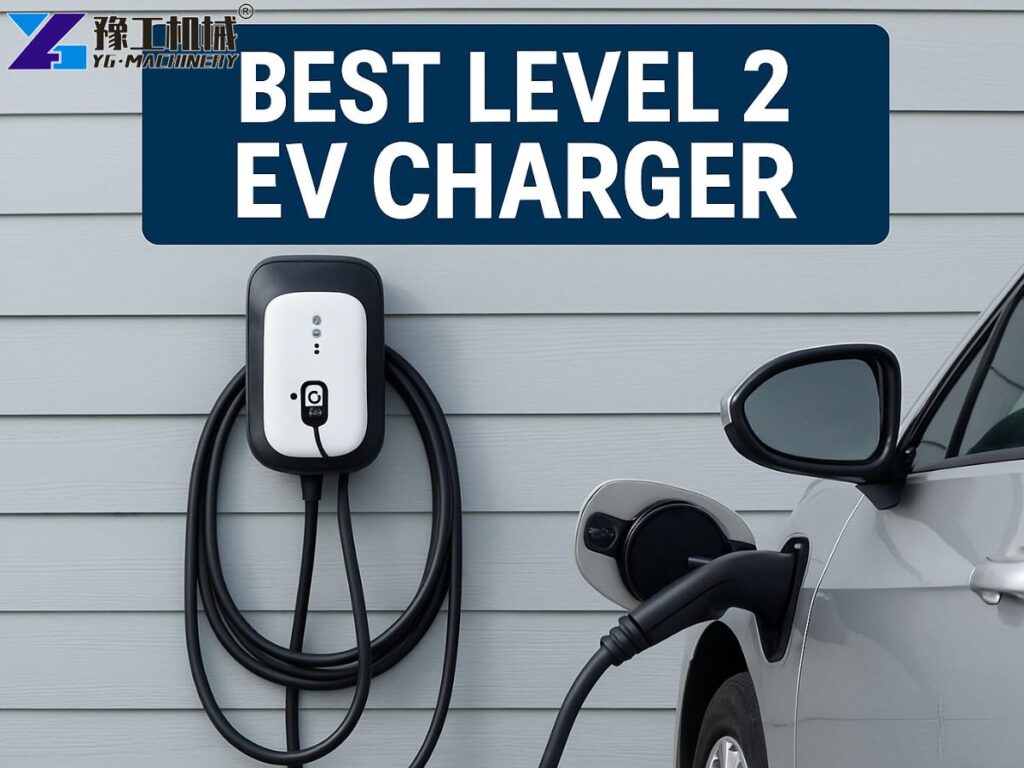
Public EV charging stations often have queues and unstable availability. Relying on public charging wastes personal time and increases long-term costs. A reliable home electric charging point efficiently solves daily EV charging troubles. It provides stable, safe, and smart overnight charging for all household electric vehicles.
Full Parameter List of Home Electric Charging Point Models
YG Machinery launches four mature EV charger models for home and light commercial use. Different power and function configurations fit diverse daily charging demands. All units support safe and stable long-term residential operation.
| Model / Series | Application | Rated Power | Input Voltage | Max Current | Smart Features & Start Method |
|---|---|---|---|---|---|
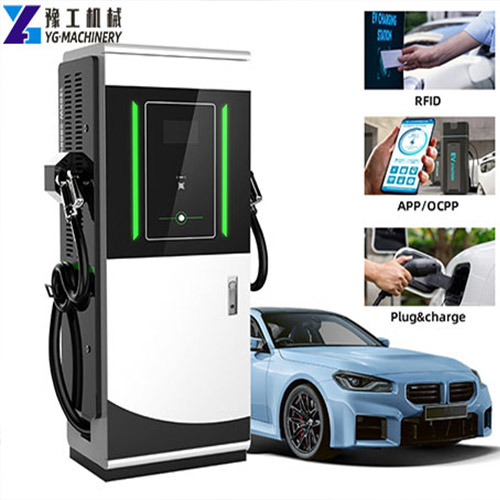
| YG-AC07-H Series | Residential / Home | 7 kW | AC 220V ±15% | 32A | Plug & Play / RFID Card / App Scheduling |
| YG-RB07 / RB21 | Home (Rainbow Series) | 7 kW / 21 kW | AC 220V / 380V | 32A | Smart App Control + Color LCD Screen |
| YG-AC14 / AC21 | Commercial / Dual-Port | 14 kW / 21 kW | AC 220V / 380V | 32A | QR Code Payment / RFID / App Management |
| YG-AC03-P Series | Portable / Emergency | 3.5 kW | AC 220V ±15% | 16A | Plug & Play (Standard Wall Outlet) |
What Core Features Does a Home Electric Charging Point Have?
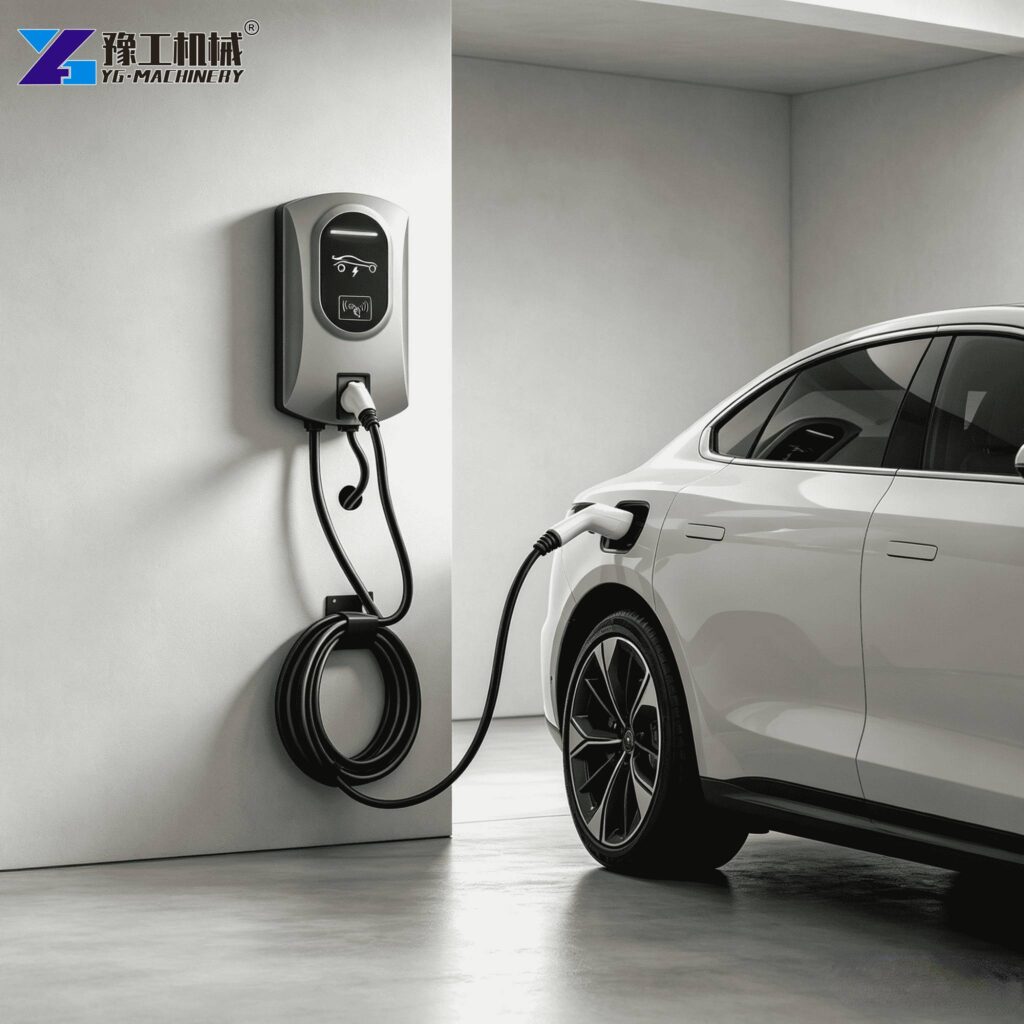
A standard home electric charging point adopts stable AC charging technology. It matches household voltage and daily power consumption habits. It works steadily for long-term overnight charging.
- Multi-start charging modes: Support plug-and-play, RFID card, and mobile app control.
- Intelligent scheduling function: Users set a fixed time for off-peak electricity charging.
- Complete safety protection: Overvoltage, overcurrent, and leakage protection ensure safety.
- Humanized display design: LCD screen shows real-time power and charging status.
- Portable emergency option: Low-power model adapts to ordinary household sockets.
These practical features make household EV charging simpler and safer. It avoids frequent trips to crowded public charging stations.
What Is the Difference Between an AC Charger and a DC Fast Charger?
EV owners often hesitate between AC and DC charging devices. The two chargers differ greatly in power, usage, and battery protection. Below are their core differences:
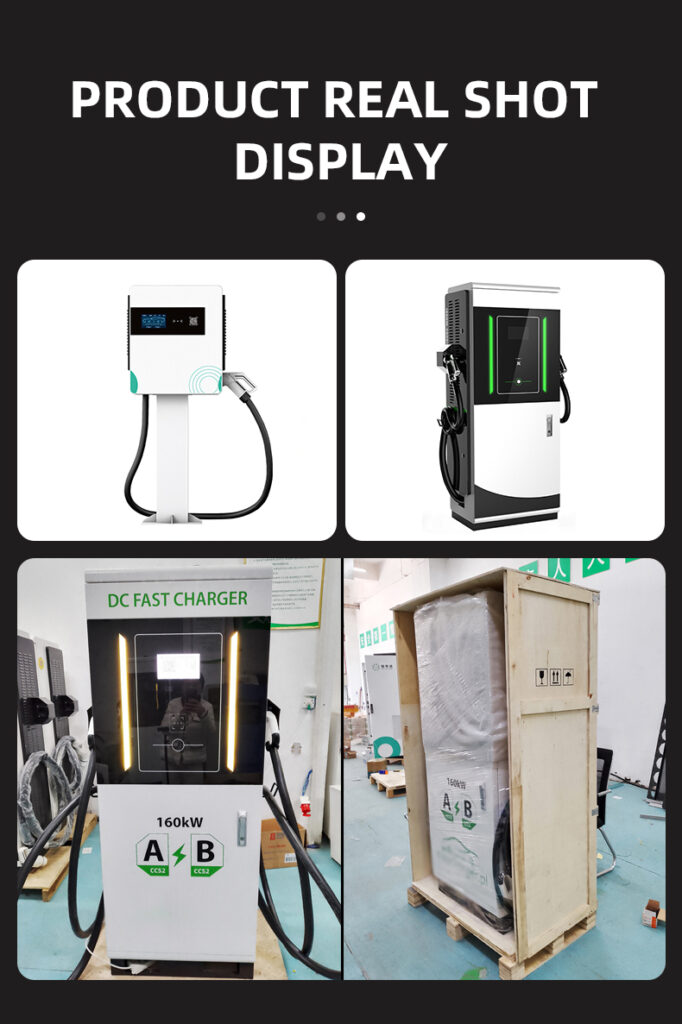
- Application Scenarios: AC chargers are designed for residential home use. They fit overnight slow charging for daily family EV needs. DC fast chargers suit commercial stations, public parking, and industrial projects.
- Charging Speed & Power: Household AC home electric charging point runs with low and stable power. It takes several hours for a full charge. DC fast chargers output ultra-high power and finish full charging within 30 to 60 minutes.
- Battery Protection: Low-current AC charging generates little heat. It reduces battery loss and extends battery service life. High-current DC charging accelerates battery aging with frequent use.
- Daily Practicality: AC chargers match standard household voltage. They support long-term stable operation with low failure rates. DC fast chargers are not recommended for daily household charging.
YG Machinery mainly provides safe and smart AC home chargers for residential scenarios. We also supply professional customized DC fast charger models for commercial, industrial and public high-speed charging projects upon client request.
Most EV buyers struggle to choose between AC and DC charging devices. Each charger type fits distinct usage environments and user needs.
How to Control Level 2 Home Charger Cost Effectively?
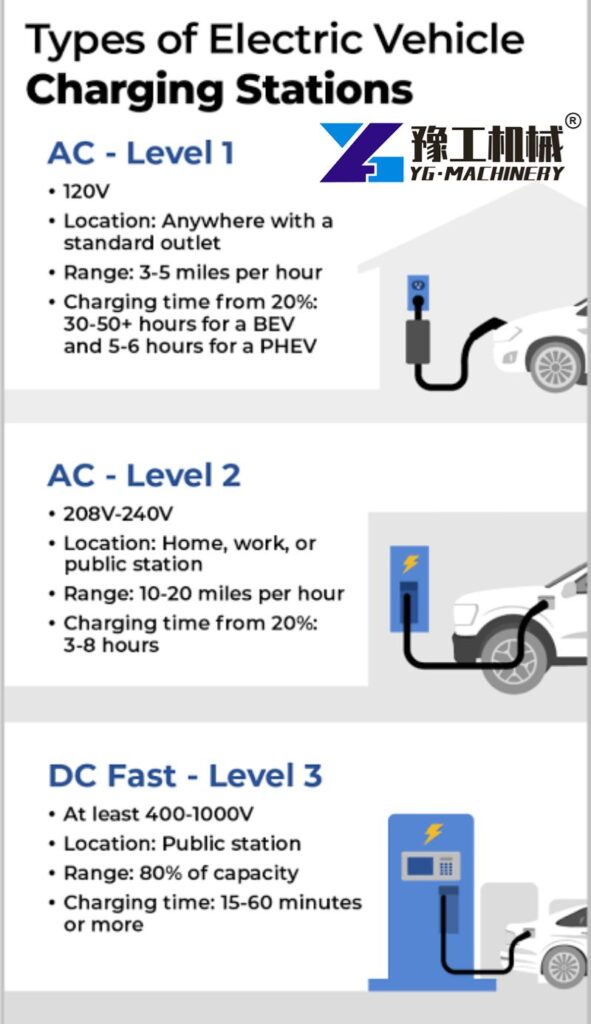
Most family users choose Level 2 chargers for daily EV supplementation. Reasonable configuration helps control overall Level 2 home charger cost within budget.
The 7kW Level 2 model is the most cost-effective for ordinary households. It balances charging speed and household load limits. It avoids unnecessary power waste and extra investment.
Users can select basic plug-and-play versions to cut smart function costs. For long-term saving needs, app scheduling reduces peak-period electricity expenses. Matching proper installation accessories also avoids redundant spending.
How Easy Is It to Install an Electric Charger at Home?
Many users worry about complex construction to install an electric charger at home. Our household charging points support simplified installation processes.
- Portable models need no fixed wiring and support direct socket use.
- Fixed wall-mounted units feature reserved standard interface ports.
- Professional installation manuals guide step-by-step construction work.
- Our technical team provides remote guidance for the whole installation process.
Standard home charging equipment adapts to most residential electrical environments. It does not require large-scale circuit renovation in most cases.
Wide Application Scenarios of Home Electric Charging Point
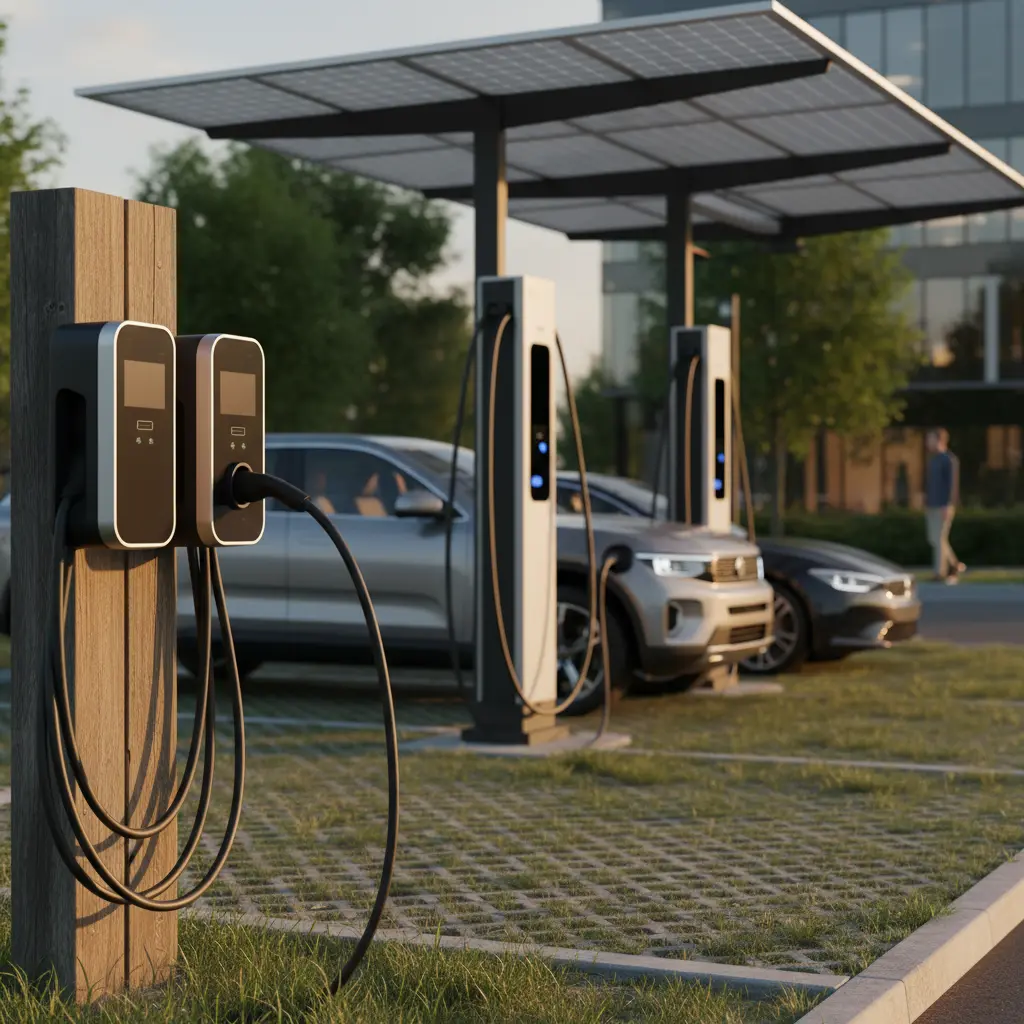
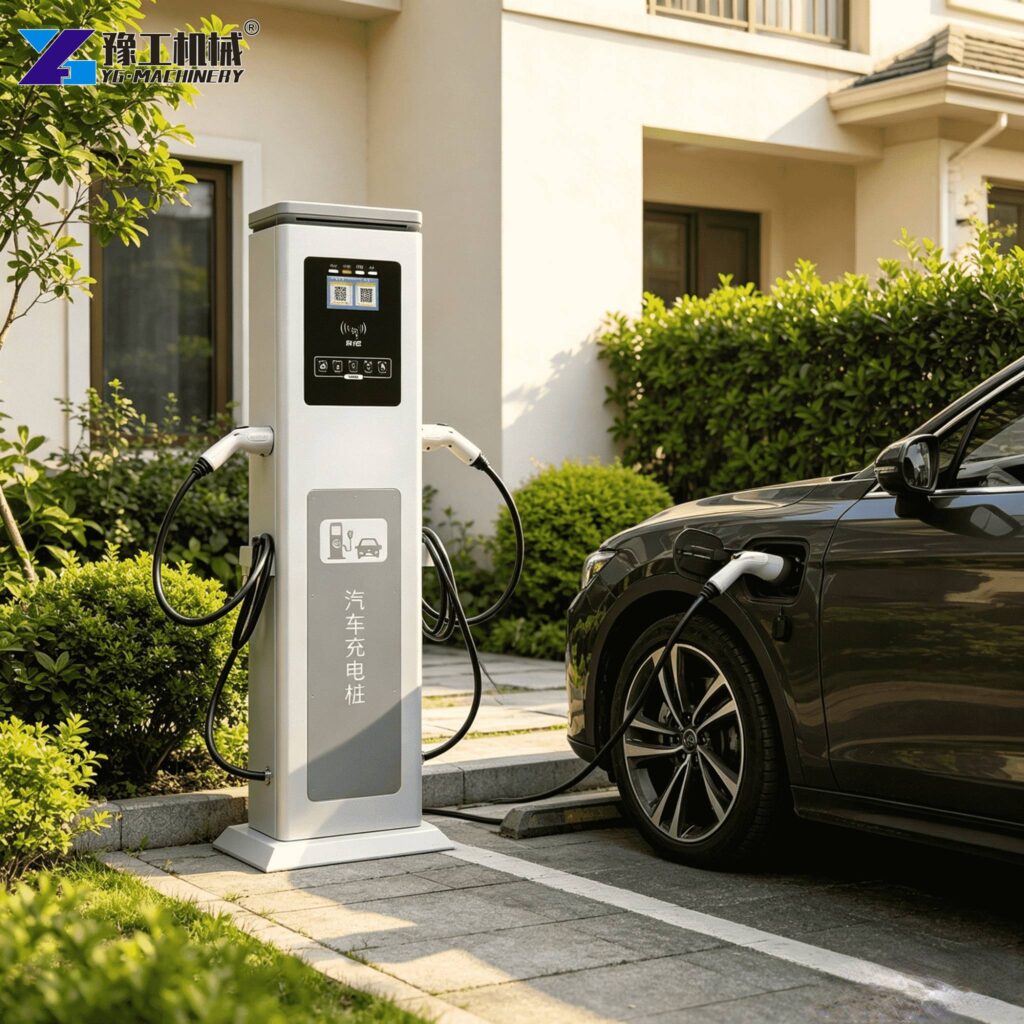
The versatile home electric charging point covers multiple private and small commercial scenarios. It adapts to different space and power conditions.
- Private residential garages and courtyard fixed charging positions
- Villa communities and high-end residential dedicated parking spaces
- Small office parks and staff private vehicle charging areas
- Homestays, boutique hotels and supporting guest vehicle charging services
- Temporary outdoor parking areas needing emergency EV charging
Overseas User Case of Home Electric Charging Point
YG Machinery home EV chargers have been widely installed in European residential areas. Most local users focus on safety, low consumption, and stable daily charging performance. A 2026 bulk household procurement project in Germany fully verified our product practicality.
Local private car owners uniformly chose our YG-AC07-H home electric charging point for family garages. Different from unstable third-party chargers, this 7kW model strictly matches local 220V household voltage standards. It supports long-term overnight low-load operation without overheating or tripping issues.
Users use the app timing function to charge during local off-peak electricity periods. This usage method cuts nearly 18% of annual EV charging costs for each household. All built-in safety protection modules effectively avoid leakage and overload risks in rainy weather.
Many local clients left real and positive feedback after 3 months of continuous use. One German user commented: “This home electric charging point runs quietly and stably. The smart schedule helps me save lots on electricity bills. Installation is simple and daily maintenance is almost zero.”
This real case proves that our household chargers meet strict European residential electricity standards. It delivers safe, energy-saving, and cost-effective charging solutions for global EV families.
FAQs About Home EV Charging Point Selection and Use
The 7kW YG-AC07-H model is the most suitable for regular household overnight charging.
Low-power AC charging brings minor battery loss and protects battery lifespan well.
Smart models support mobile app remote scheduling and real-time status monitoring.
Yes. Our chargers support 15% positive and negative voltage deviation for stable operation.
We support personalized power adjustment, shell color, and logo customization for home use.
Why Choose YG Machinery for Home Electric Charging Point
YG Machinery is a professional manufacturer focusing on residential and commercial EV charging equipment. Every home electric charging point passes strict factory pressure and safety tests.
We provide full-cycle professional services for global clients. Our pre-sales team matches suitable models based on local voltage and usage habits. We support personalized function configuration and custom appearance design. Our after-sales team offers installation guidance, technical training, and long-term spare parts supply. We help users solve all daily operation and maintenance problems.
Get Free Custom Quote for Home Electric Charging Point
Equipping a dedicated home electric charging point greatly improves the EV-using experience. It saves time and cost and reduces long-term charging expenses.
Contact YG Machinery now to obtain your exclusive solution and accurate quotation. Share your local voltage, usage frequency, and functional demands. We will reply with detailed plans within 8 hours.