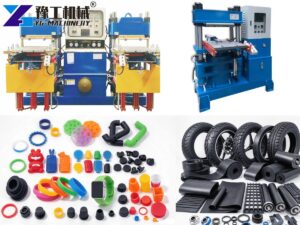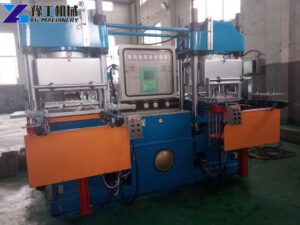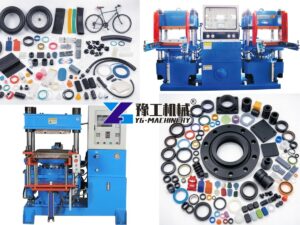

A vulcanizer rubber machine cures rubber parts with steady heat and pressure. It bonds rubber molecules to build strength and durability in every batch. Seven tonnage options, from 150 to 500 tons, cover gaskets, pads, and seals. Precise platen control keeps cure time and quality consistent across large orders. Tell us your part size and output. YG will send a vulcanizer rubber machine quote with a plan within one day.
YG Hot Sale Vulcanizer Rubber Machine Parameters
| Item | Unit | 150T | 200T | 250T | 300T | 350T | 400T | 500T |
|---|---|---|---|---|---|---|---|---|
| Total pressure | Ton | 150 | 200 | 250 | 300 | 350 | 400 | 500 |
| Platen size | mm | 380×380 / 400×400 | 503×508 / 560×560 | 600×600 / 600×650 | 600×600 / 650×650 | 700×700 / 700×750 | 800×800 / 850×850 | 1000×1000 / 1200×1000 |
| Opening stroke | mm | 250-300 | 250-350 | 300-350 | 300-350 | 300-350 | 300-400 | 300-400 |
| Piston diameter | mm | 300 | 360 | 400 | 450 | 475 | 500 | 560 |
| Piston stroke | mm | 250 | 250 | 300 | 300 | 300 | 300 | 300 |
| Mold opening stroke | mm | 200 | 250 | 250 | 250 | 250 | 300 | 300 |
| Motor power | kW | 4×2 | 7.5×2 | 7.5×2 | 7.5×2 | 11×2 | 11×2 | 11×2 |
| Machine weight | kg | 6500 | 9000 | 11500 | 13500 | 17000 | 22500 | 30000 |
Get Factory Quote | WhatsApp/Tel: +86 183 3715 2861
How the Vulcanizer Rubber Machine Works
How does it turn raw rubber into strong finished parts? Heat and pressure change the rubber structure inside a closed mold.
Heat and Pressure Cycle
- A hydraulic cylinder presses the mold shut
- Hot platens hold even temperature across the part
- Cure time sets the final hardness and strength
Platen Control
- Twin motors keep energy steady during the cycle
- Separate mold opening stroke eases part removal
- Piston diameter from 300 to 560 mm matches tonnage
A vulcanizer rubber machine gives each part the same straight-line quality. Consistent pressure stops voids and weak spots in the material. The result is parts that hold their shape in hard service. Operators master the cycle with a short training session. This makes batch production predictable and safe.
Rubber compound flows into the mold during the closing stroke. Heat then drives the cross-linking reaction. Cure time depends on thickness and compound. Operators follow the chart printed on the machine. Cooling releases the part after the cycle. This loop builds strong parts with less trial and error. Every press comes with a clear manual. Pressure sensors confirm the clamp before heat starts. A quick purge clears trapped air from the mold. This avoids surface bubbles on each part. Regular gauge checks keep readings honest. Temperature checks use a simple probe at the platen edge.
Guide posts keep the platen level over time. Lubrication lowers wear on moving parts. A clean frame makes inspection easy. Small problems get caught before failure. Planned care beats emergency downtime. Good housekeeping protects every investment.

Hydraulic Vulcanizing Machine Pressure and Strength
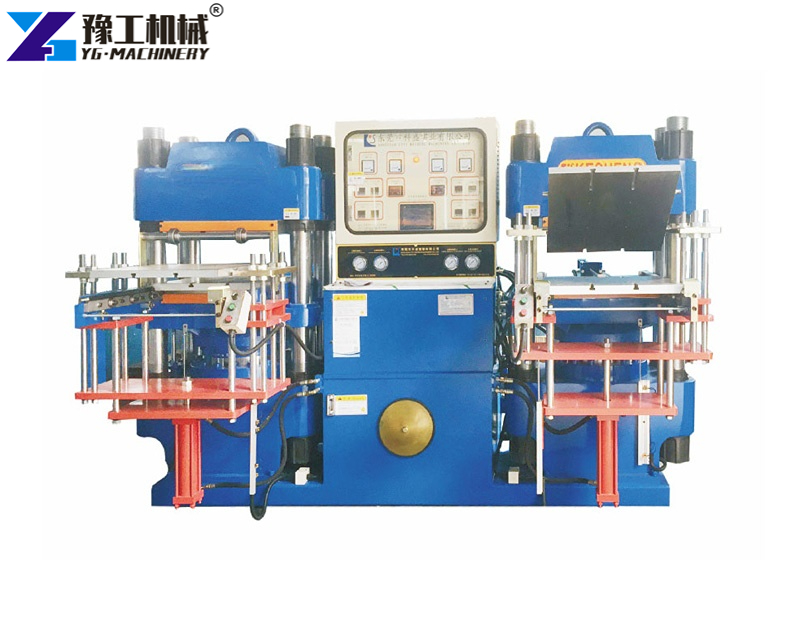
A hydraulic vulcanizing machine brings real clamping force to the mold. Higher tonnage handles big platen sizes with ease.
Force Across the Platen
- Total pressure spans 150 to 500 tons
- Larger platens carry big multi-cavity molds
- Even force avoids warped or under-cured edges
Built to Last
- Heavy frame resists bending under full pressure
- Piston and seals run clean with routine care
- Weight from 6500 to 30000 kg adds stability
A hydraulic vulcanizing machine produces dense rubber with full cross-section cure. This depth suits thick pads and large seals. Higher tonnage also reduces cycle time on big parts. Crews trust the steady clamp during heating and cooling. The press stays stable shift after shift.
Bigger presses handle plates without sag. A 1000×1000 mm platen suits large rubber mats. Even temperature prevents soft centers on thick parts. The sealed piston lifts the whole platen smoothly. Operators load taller molds with the extra stroke. Rapid closing saves idle time between cycles. Routine care is simple and quick. Grease the guide posts each week. Check oil level in the reservoir every morning. Clean the platen surface after each batch. A worn gasket should be replaced early. No complex foundation is needed on most sites. The frame spreads load evenly on flat ground.
Regulators protect the pump from overpressure. Clean oil keeps the valve block smooth. Most repair jobs need only basic tools. Service intervals follow the manual schedule. This steady care extends press life. Buyers trust a machine that runs for years.
Automatic Rubber Vulcanizing Machine for Batch Work
An automatic rubber vulcanizing machine controls the cycle from start to finish. This reduces errors and keeps output consistent.
Consistent Cycles
- Timed cycles set exact curing profiles
- Repeatable pressure holds the mold steady
- Operators load, close, and move on
Less Operator Load
- Clear controls cut setup mistakes
- Automatic steps reduce manual timing
- One worker tends multiple units at once
Automatic rubber vulcanizing machine models help busy shops meet deadlines. Repeat shots come out the same quality each time. Waste drops because every cycle finishes evenly. New staff learn the machine faster with guided settings. This lowers training time and scrap costs.
Batch programs save repeat setups. Save a recipe for gaskets, then one for pads. Recall each with a single button press. This removes guesswork from daily runs. Operators match cure time to the material data sheet. Consistent settings reduce customer rejects. An automatic unit also reduces late-shift risk. Timed steps work without close watching. Alarms sound only when the cycle stops. This lets one person run several presses. Data logging helps quality audits. Each cycle prints time and pressure. This paper trail supports customer claims.
Recipe libraries transfer between presses. Save settings once and copy across units. This standardizes quality in large plants. Operators switch products in minutes. Downtime between jobs drops a lot. Consistent output wins stable client orders.
Key Advantages of a Vulcanizer Rubber Machine
Why invest in a vulcanizer rubber machine for your shop? It turns compound into durable, repeatable products.
Better Product Quality
- Full pressure reduces porosity and voids
- Even heat shortens cure variation
- Strong bonds raise tear and abrasion life
Flexible Production
- One press fits many mold sizes
- Change platens for new part batches
- 150 to 500 ton range covers shop growth
A Turkish sealing company added a 350-ton unit for gaskets. They cut scrap and lifted output in the first month. New molds changed over in under an hour. Heat stayed even across the whole platen surface. The press now runs two full shifts every day.
Heat control also protects the compound. Even platen spread stops burnt edges. Correct pressure keeps density uniform. This lifts product testing pass rates. Field failure claims drop with better curing. Owners build a reputation for dependable parts. The platen range covers most tooling. Change a heater cartridge in a short stop. Molds swap without realigning the frame. This flexibility suits mixed part runs. The machine fits standard workshop floors. Level feet adjust on uneven concrete. Large presses arrive in two pieces for assembly.
Efficient cycles also save energy per part. Faster curing lowers power draw per unit. Even batches reduce rework and reheating. This lowers overall running cost. Owners see better margin on every order. Reliable output supports stable pricing.

Rubber Vulcanizing Machine for Sale: What to Check
How do you pick a rubber vulcanizing machine for sale? Match tonnage, platen size, and stroke to your parts.
Tonnage and Fit
- 150-ton suits small gaskets and pads
- 300 to 400-ton covers large molds
- 500-ton handles huge rubber matting
Buying Support
- We supply spare platens and heaters
- Training covers setup and maintenance
- Clear pricing fits project budgets
Compare platen size against your largest mold. Confirm the opening stroke fits tall parts. Ask about heater type and temperature range. Reliable suppliers guide the whole purchase. Good data removes guesswork from the decision.
Ask about spare heaters and controllers before delivery. Confirm local voltage fits your workshop. Check oil cooling for long, hot shifts. A reliable supplier stocks common parts. Customers compare cost against output per shift. A larger press often lowers per-part cost. But match power to real demand to save energy. Review your biggest mold sizes first. This analysis prevents overbuying. Good sizing pays back every month. Warranty terms and support cover the first year. We respond by message within a day.
Compare delivery time with your project plan. A ready machine starts earning sooner. We coordinate freight and customs paperwork. Clear documents avoid port delays. Most orders ship within a planned window.
YG also supplies the full rubber line. A rubber mixing mill prepares the compound. A rubber kneader blends the masterbatch. A hydraulic press handles pressing and molding. A rubber granulator reprocesses scrap. One supplier covers the entire workshop.
Request Solution for My Business
Get a Vulcanizer Rubber Machine Quote
Ready to upgrade your curing and molding line? Contact YG Machinery for a vulcanizer rubber machine quote today.
We match the tonnage and platen to your production. We explain cycle times, heaters, and power needs clearly. Our team provides training, spares, and maintenance support. Ask about heater packs and mold adapters. Compare 150 to 500 ton models against your output. We send clear pricing and delivery details. Share a part drawing for a custom recommendation. We reply within one business day.
Many buyers confirm after a shop visit or video call. We can arrange a live cycle demo on request. Ask about heater packs and mold adapters. Delivery packaging protects the press frame in transit. We guide you from quote to first production run. Training covers daily checks and fault codes. A laminated card sits near the machine. Operators refer to it during the shift. Quick reference lowers mistakes.
We also quote heater spares and fittings. Confirm shipping and customs before the order. A site check eases installation planning. After-sales help lasts beyond the first year. This keeps your line running long-term.