plastering contractor in Houston, Texas faced a production crisis in mid-2024. Their team was working on a 35-story commercial parking structure downtown. The project required interior and exterior wall rendering across 7,000 sqm total. Their manual plastering crews averaged only 40 sqm per day per team. At this rate, the rendering phase alone would need 45 working days. The general contractor imposed a USD 500 daily penalty for late delivery. The plastering team searched for spray render machines for sale online to solve this bottleneck. This article covers the full project from problem identification to final results.
Why Contractors Searched for Spray Render Machines for Sale
Manual rendering struggles on large commercial projects. The Houston team faced three critical problems that made their current method unsustainable.
Daily output per crew was only 40 sqm by hand
Material waste reached 25-30% from inconsistent mixing and dropping
The project timeline left zero room for delays or rework
Their crews worked 10-hour shifts with eight workers per team. Each worker covered roughly 5 sqm per day. The wall surface showed visible trowel marks that required additional finishing. The project manager needed a mortar sprayer machine that could at least triple daily output. They also wanted consistent wall thickness to eliminate secondary finishing work. Finding reliable spray render machines for sale with US-standard power was their top priority.
Professional insight: For projects over 2,000 sqm, always compare machine output cost versus manual labor cost including waste, rework, and delay penalties. The numbers often favor mechanization far earlier than contractors expect.
How the Spray Render Machines for Sale Configuration Delivered Results
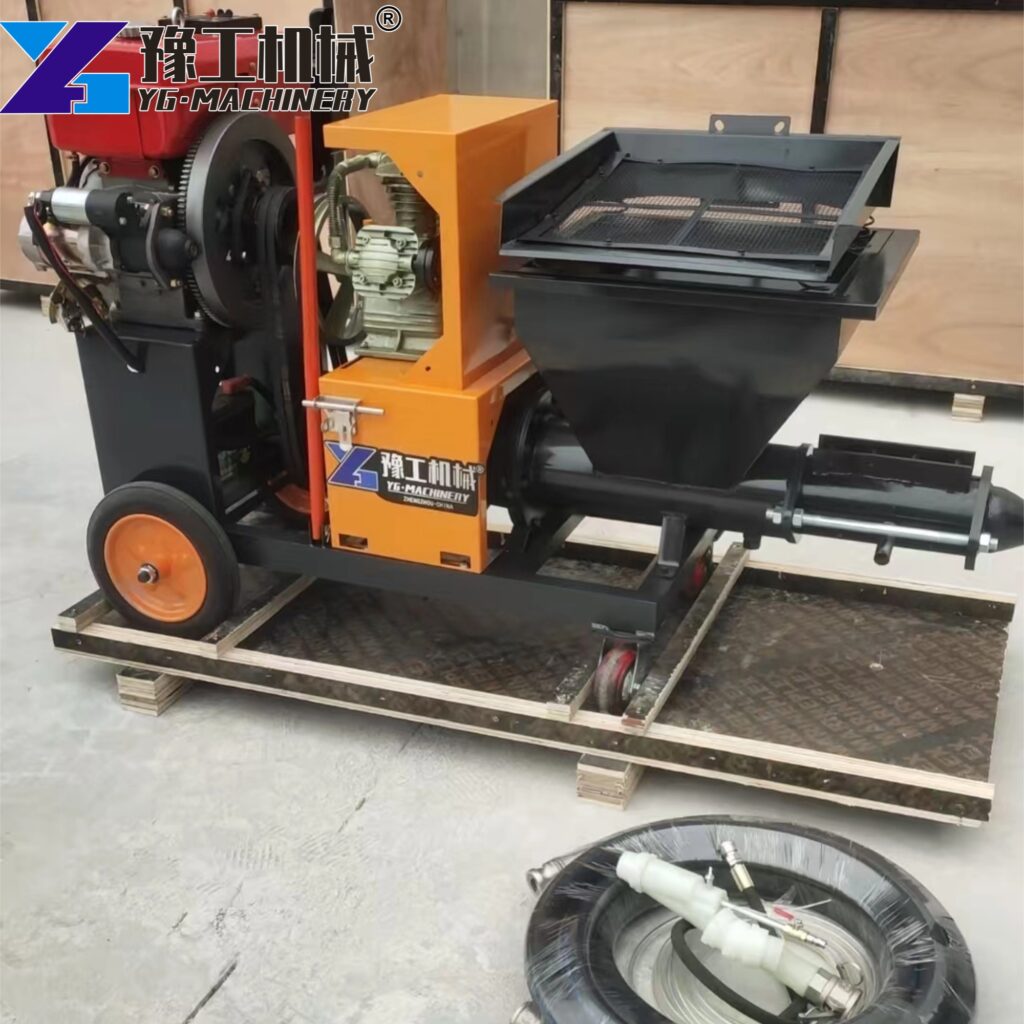
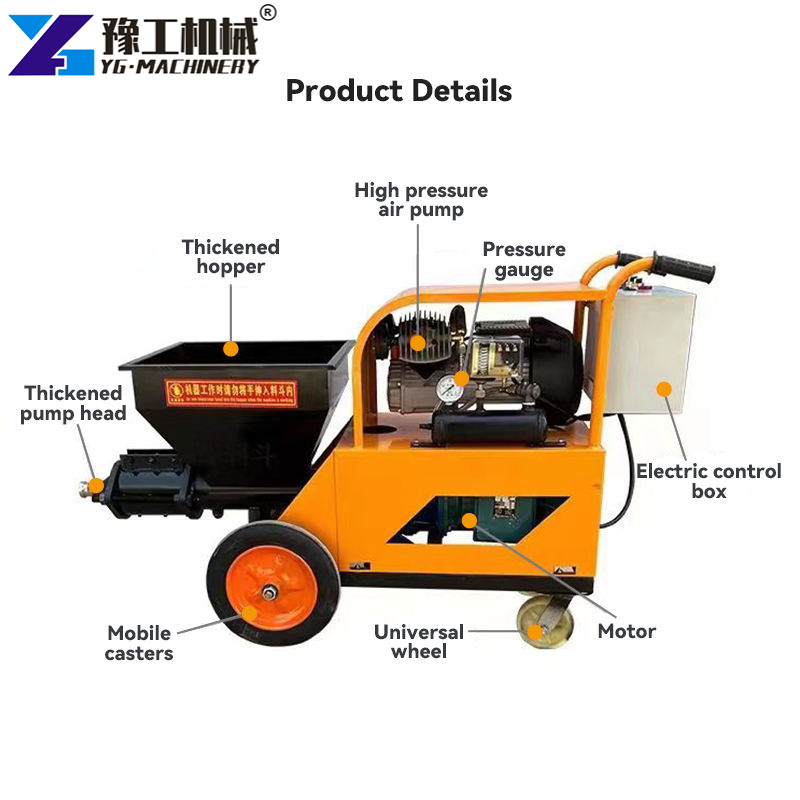
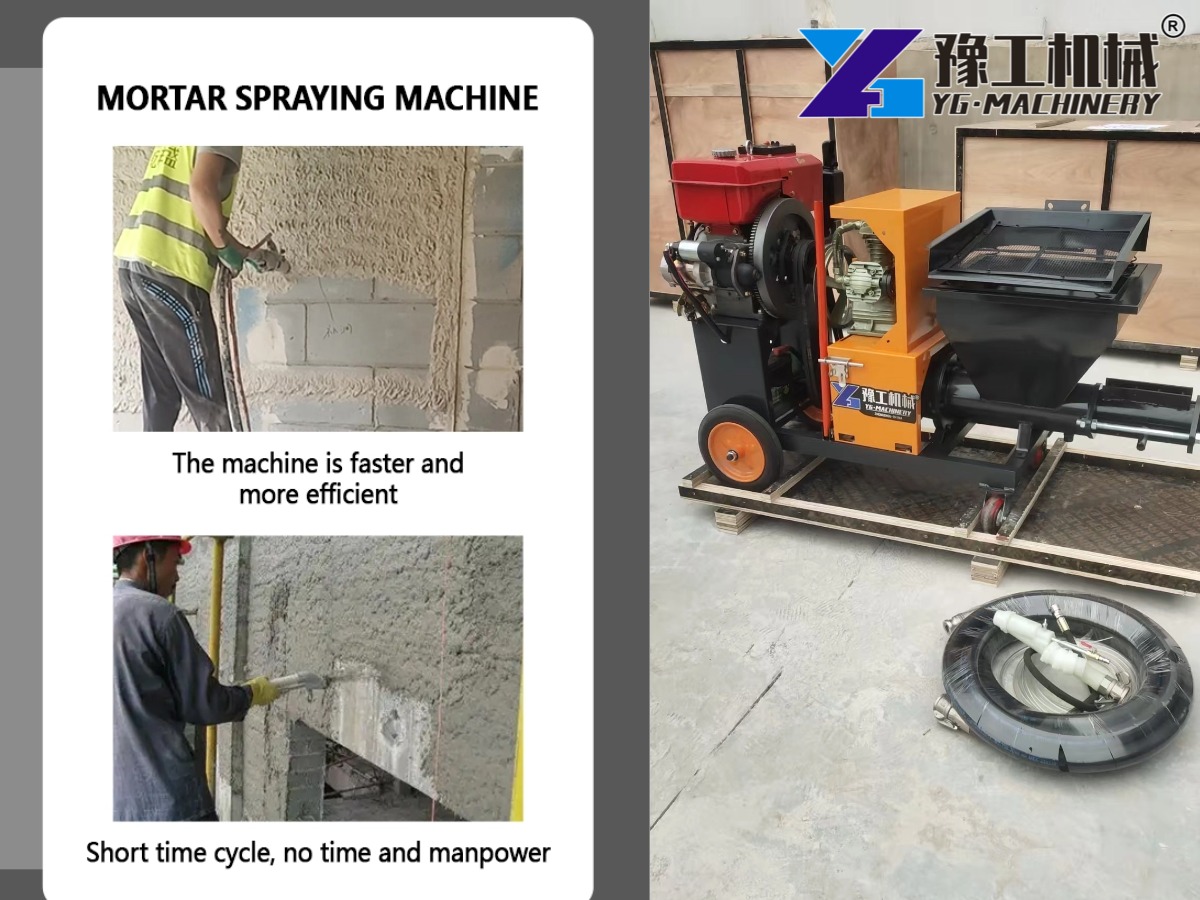
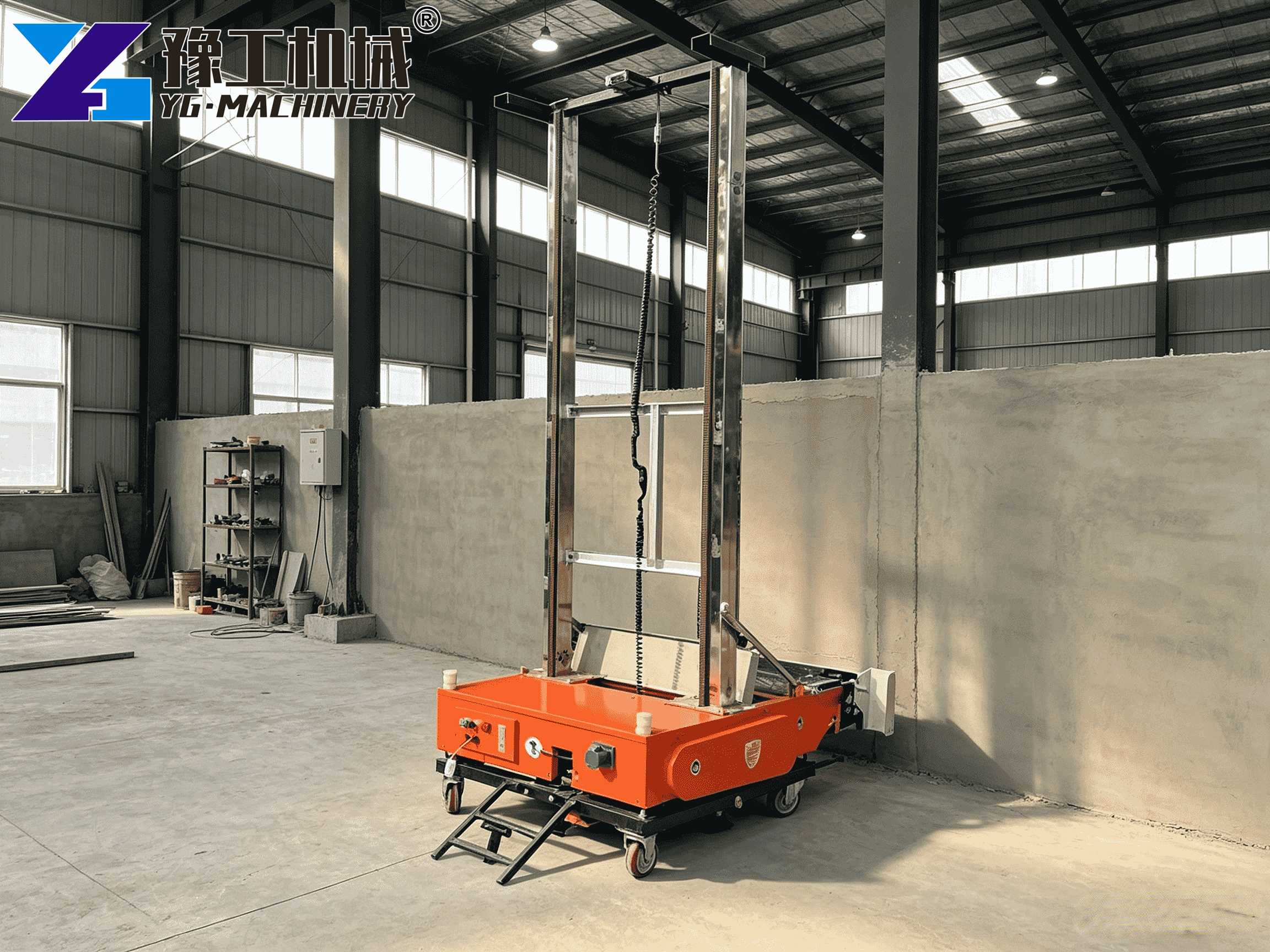
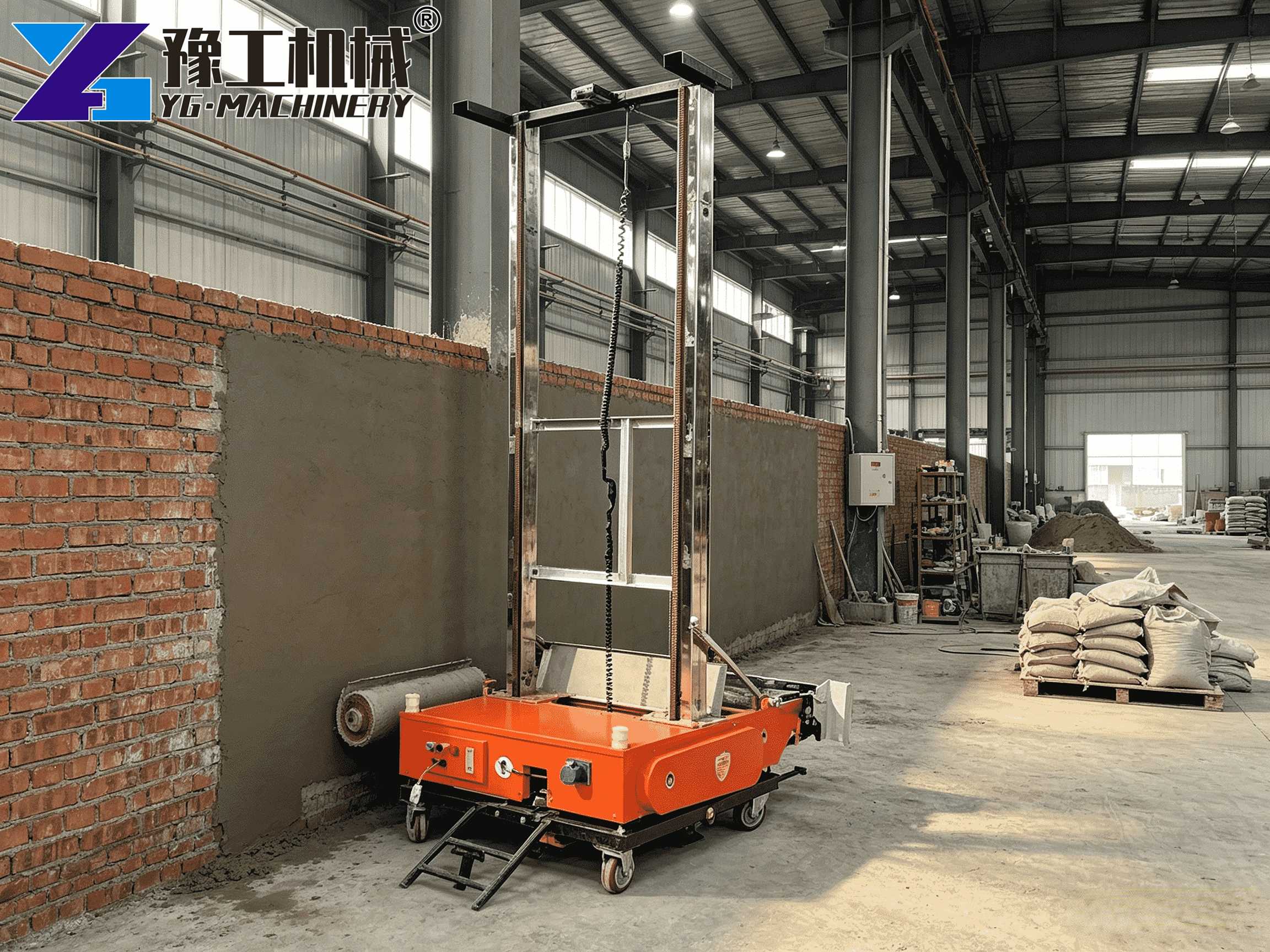
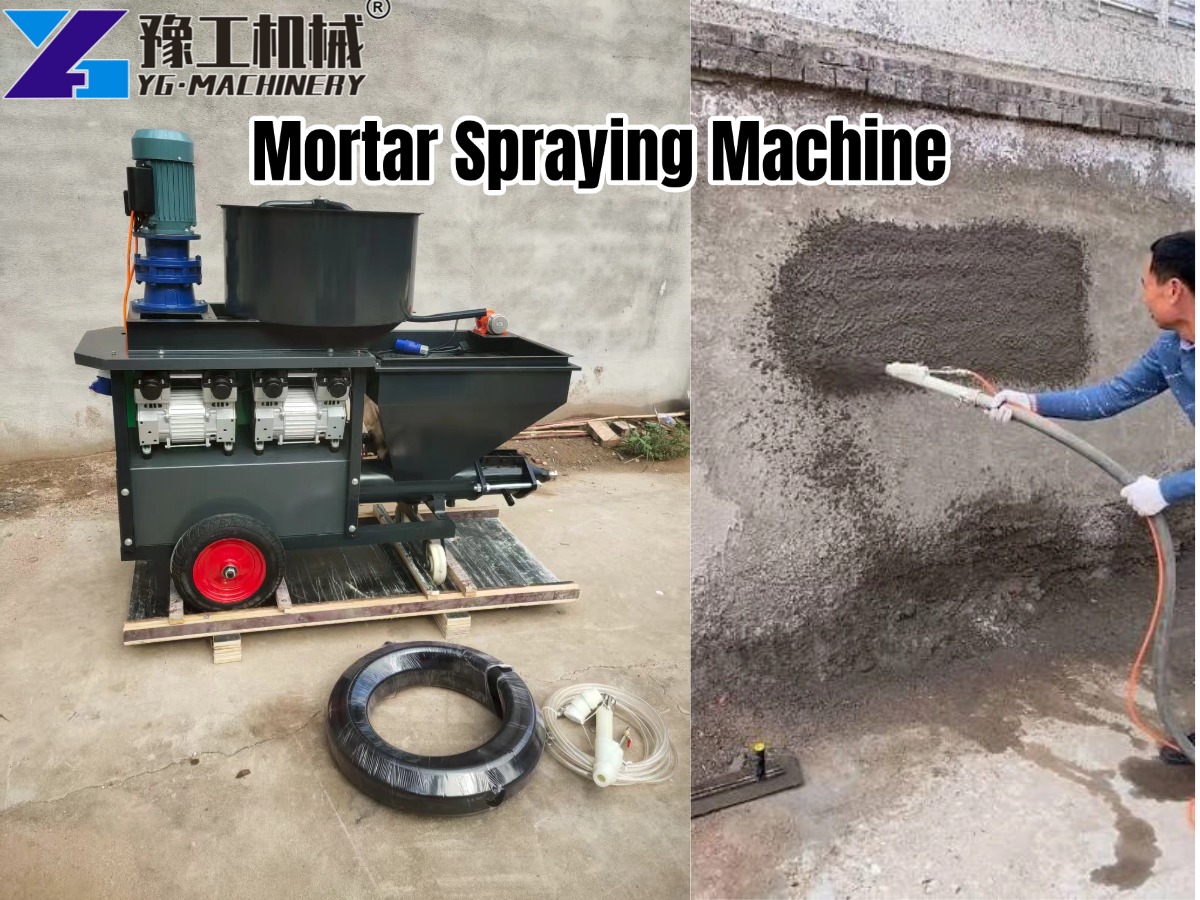
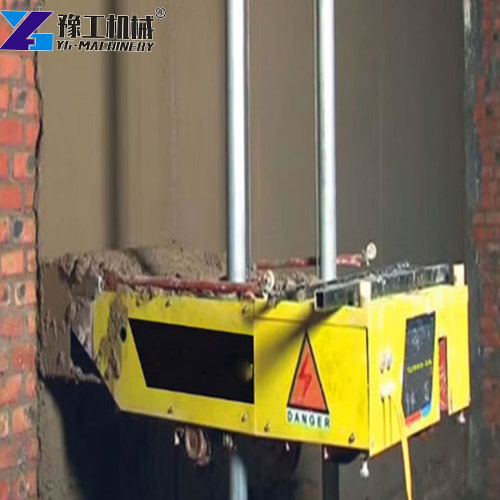
We recommended two models based on their specific site conditions. The indoor rendering work used the YG-501 electric model. It runs on 220V-380V power at 7.5kW output, compatible with standard US electrical supply. The 3m³/h output matched their 15mm render thickness requirement perfectly.
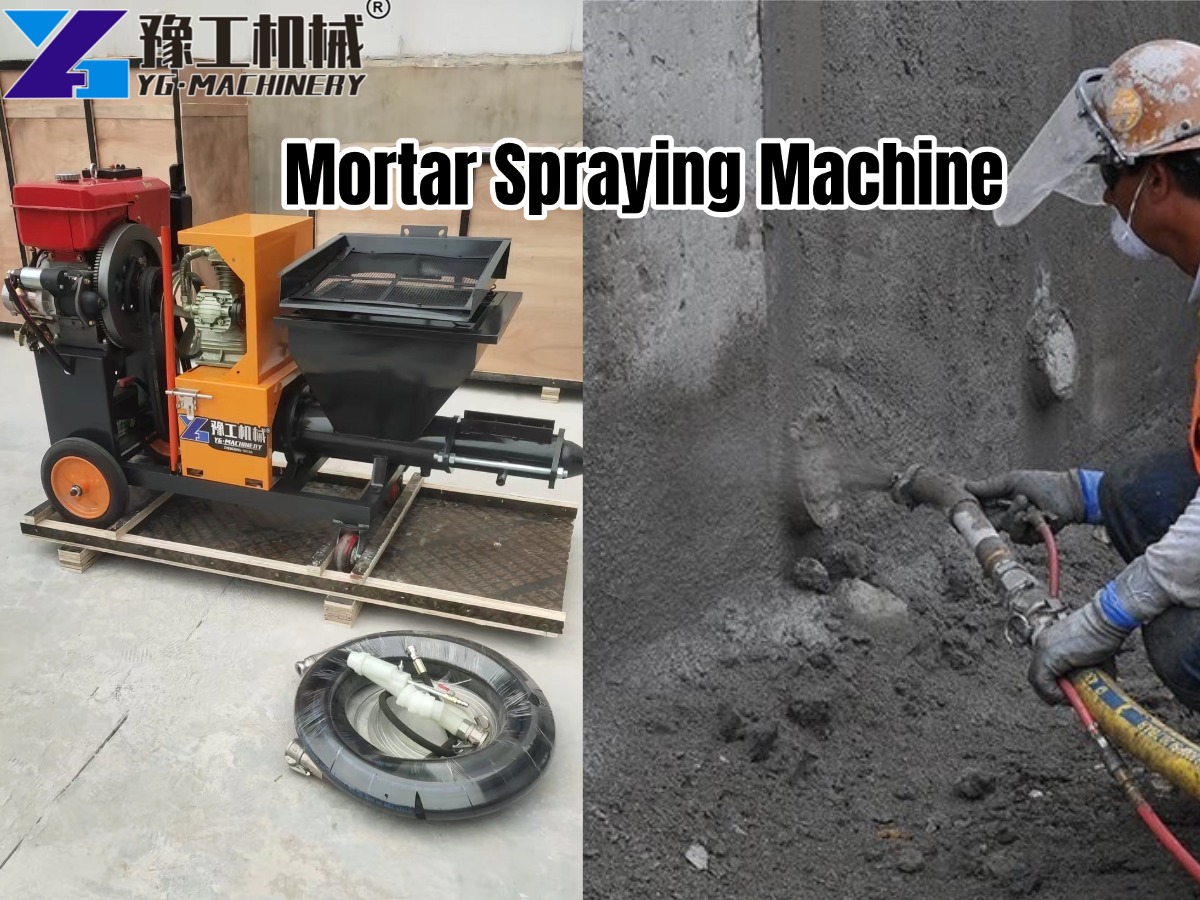
For outdoor and underground parking areas, we selected the YG-502 diesel model. It requires no external power connection and works independently on remote floors. Both models share the same 3Mpa pressure rating and 32mm conveying tube. This tube diameter handles aggregate up to 8mm, suitable for standard mortar mixes.
Key specifications for the selected configuration:
Hopper volume: 80L, reducing refill frequency significantly
Conveying distance: up to 50m horizontal and 30m vertical
Air consumption: only 0.3m³/min, keeping compressor requirements low
Weight: 320kg per unit, movable by two workers with a hand truck
Compatible mortar ratio: 1:1:3, matching standard US plastering mixes
Professional insight: Always match the machine’s conveying distance to your building height. The 30m vertical limit works well for projects up to 8-10 floors. For higher buildings, plan relay points or choose a higher-pressure model.
Spray Render Machines for Sale On-Site Installation and Training
Both units shipped from Qingdao port via LCL container. The electric model arrived at Houston port in 22 days. Customs clearance completed in 2 working days with proper documentation. The machine reached the job site the same day via local freight truck.
On-site assembly took 3 hours for the electric model. The diesel model needed an additional day for engine priming and fuel system checks. We provided a remote video guide for initial setup and calibration.
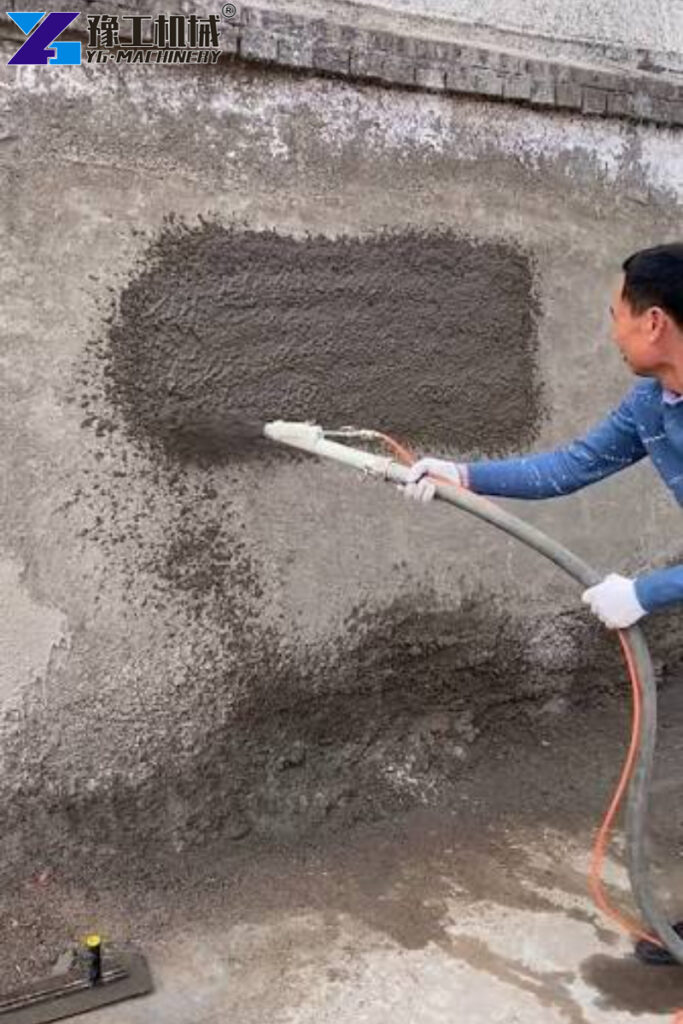
We recommended a test run on the 3rd floor first. The crew sprayed a 20 sqm test section using standard 1:1:3 mortar mix. The first attempt showed an uneven spray pattern because of an incorrect nozzle angle. After 30 minutes of adjustment, the spray coverage became uniform.
The air pressure setting was the most critical factor. Too high pressure caused bounce-back and material waste. Too low pressure resulted in poor adhesion. We found the optimal range at 0.25-0.30 MPa nozzle pressure.
Professional insight: Air pressure calibration is the single most important setup step. Spend 30 minutes testing different pressure levels on a mock-up wall before starting production work. This small investment saves hours of rework later.
Spray Render Machines for Sale Performance and ROI Analysis
The crew completed all 35 floors in 22 working days. They finished three days ahead of the original deadline. The general contractor removed all penalties. Final inspection showed consistent 15mm wall thickness across the entire project.
Here is the detailed performance breakdown:
Electric model average output: 260 sqm per 8-hour shift
Diesel model average output: 300 sqm per 8-hour shift
Material waste dropped from 28% to under 8%
Crew size reduced from 8 workers to 5 per team
Wall thickness consistency improved from ±5mm to ±2mm
The project manager reported that the machines paid for themselves within the first project. Total labor savings reached approximately USD 12,000. Material savings added another USD 3,500. The crew now uses both machines on their next three projects without interruption.
Professional insight: When calculating equipment ROI, include material waste reduction alongside labor savings. For plastering projects, material savings often equal 20-30% of total material cost when switching from manual to machine application.
Spray Render Machines for Sale Maintenance Tips for US Job Sites
Proper maintenance determines machine lifespan and performance consistency. US job sites often involve long transport between locations. Each move requires post-transport inspection before restarting work.
Essential maintenance practices for daily operation:
Flush the hopper and conveying tube with clean water after every shift
Inspect the conveying tube weekly for wear, especially at bend points
Grease the piston rod every 50 operating hours
Check engine oil level every 100 hours for the diesel model
Clean the air compressor filter daily in dusty conditions
Test the pressure relief valve weekly to ensure safe operation
The conveying tube typically lasts 3-6 months depending on aggregate abrasiveness. We recommend keeping two spare tubes on-site to avoid unplanned downtime. The electric motor requires almost zero maintenance beyond keeping terminals clean and dry.
Professional insight: Post-shift flushing is non-negotiable. Mortar hardens inside the tube overnight and causes blockages that take hours to clear. A 10-minute flush after every shift extends tube life by 40% or more.
Choosing a Cement Mortar Sprayer Supplier for Your Project
Selecting the right supplier affects your total project cost far more than the machine price alone. A reliable cement mortar sprayer supplier provides technical support, spare parts availability, and clear warranty terms. US buyers should verify power compatibility before placing any order.
Key factors to evaluate before purchasing:
Verify the supplier’s experience with US-standard electrical systems
Ask about spare parts lead times and shipping options
Request video demonstrations on materials similar to your project mix
Confirm warranty coverage and response time for technical issues
Check if the supplier provides operation training and setup guides
Ensure the machine weight suits your crew’s transport capability
Professional insight: Always ask for reference projects from buyers in similar markets. A supplier who can connect you with existing US customers demonstrates confidence in their product quality and after-sales support capability.
What output can spray render machines for sale deliver per hour?
The electric model delivers 3m³/h and the diesel model delivers 4m³/h. Actual output depends on mortar consistency, wall surface, and operator experience. Most US crews achieve 250-300 sqm per shift at 15mm thickness.
What materials work with the mortar sprayer machine?
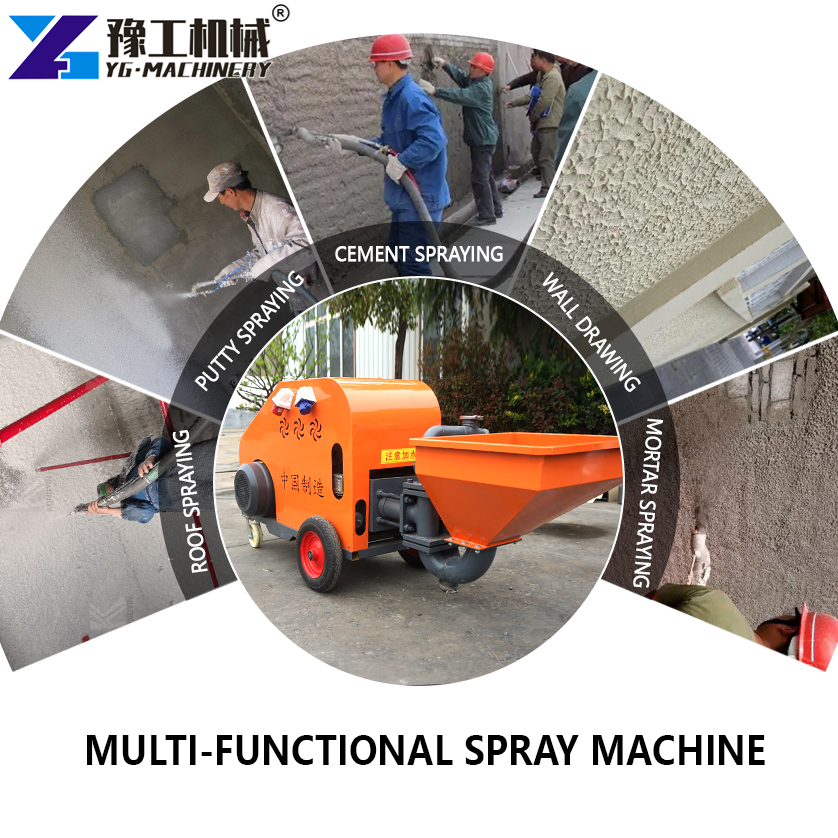
Standard cement mortar mixes with ratios up to 1:1:3 work best. Maximum aggregate size is 8mm. The machine also handles gypsum plaster, lime mortar, and insulation mortar with proper mix adjustment.
Are the machines compatible with US power standards?
The electric model supports 220V-380V at 7.5kW and works with a standard US industrial power supply. No voltage converter is needed. The diesel model requires no electrical connection at all.
How heavy is the machine, and can one person move it?
Each unit weighs 320kg. Two workers can move it using a pallet jack or hand truck. For multi-floor projects, a small material hoist handles transport easily.
What is the maximum vertical conveying distance?
Both models pump mortar up to 30m vertically and 50m horizontally. This covers most mid-rise construction projects in the USA. Higher buildings may need relay points or a higher-pressure model.
How does mortar mix ratio affect machine performance?
The machine is optimized for a 1:1:3 cement-sand ratio. Deviating significantly affects output and wall finish quality. Always test new mixes on a small section before full production.
Does the electric model consume a lot of power?
The motor draws 7.5kW under full load. A standard US job site generator rated at 10kW or higher handles startup surge without issues. Actual power consumption averages 5-6kWh per operating hour.
Working on a commercial rendering project in the USA? YG Machinery provides factory live video tours, real-time spray demonstrations, and full on-site commissioning guidance via remote support. Our technical team responds within 8 hours with equipment recommendations matched to your project scope. Send us your project details, wall area, and render thickness requirements. We will prepare a customized solution and detailed quotation. Contact YG Machinery today and start your next project with confidence.