A mid-sized general contractor in Calgary, Canada faced a floor flatness crisis in early 2024. Their team was building a 1,200 sqm warehouse for a cold-chain logistics company. The facility needed to support automated storage and retrieval systems. These systems required floor flatness within Ff50 standards. Their initial pour failed inspection with deviations up to 3mm over 3 meters. They contacted YG Machinery after finding our concrete levelling machine specifications online. This article covers the full project from problem to solution.
Why the Contractor Needed a Concrete Levelling Machine
The contractor had three remaining warehouse floors to complete. Each required Ff50 flatness or better. Their manual screeding process could not achieve this tolerance consistently. The automated storage system vendor refused to install equipment until flatness passed inspection.
Key challenges the team faced:
Achieving ±1.5mm flatness across 5,000 sqm total area
Completing all four floors within a six-week deadline
Working in Calgary’s cold climate, which affects concrete curing speed
Avoiding expensive floor grinding or re-pouring costs
The project manager searched for a concrete laser machine that could deliver consistent results. They needed equipment that worked fast but maintained tight tolerance. Time pressure was high because each day of delay cost them roughly CAD 2,500 in idle labor.
Professional insight: For warehouse projects with Ff50 requirements, always test your screeding method on a mock-up section first. A 50 sqm test strip reveals tolerance issues before they become expensive problems.
How the Concrete Laser Machine Configuration Solved the Problem
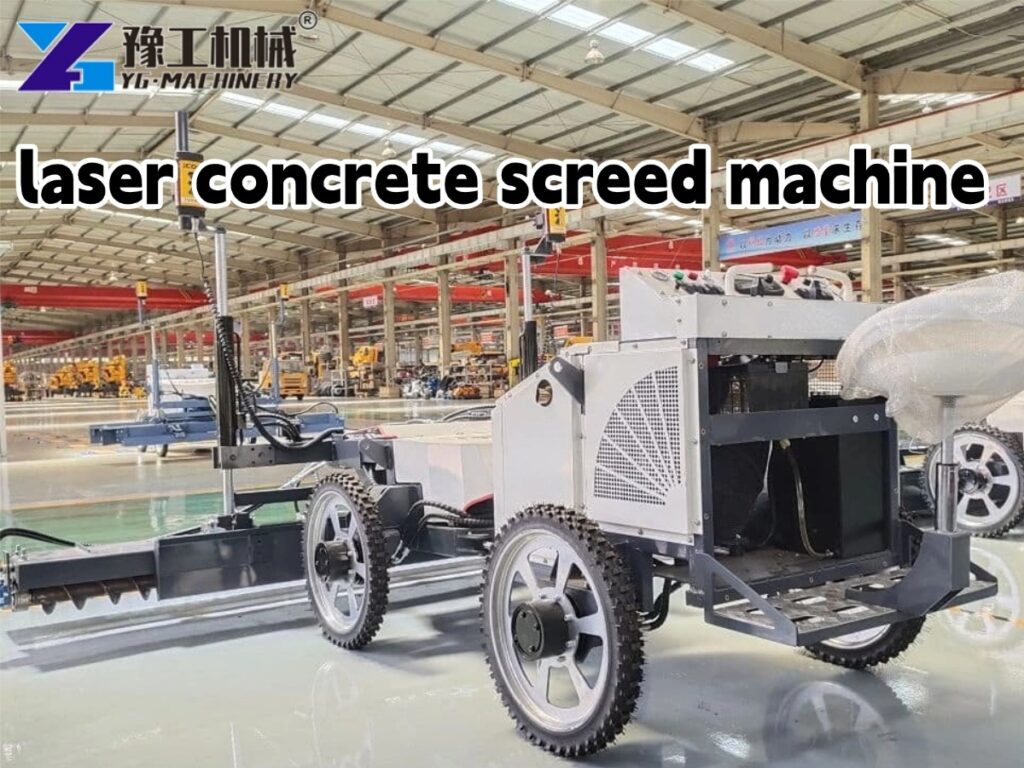
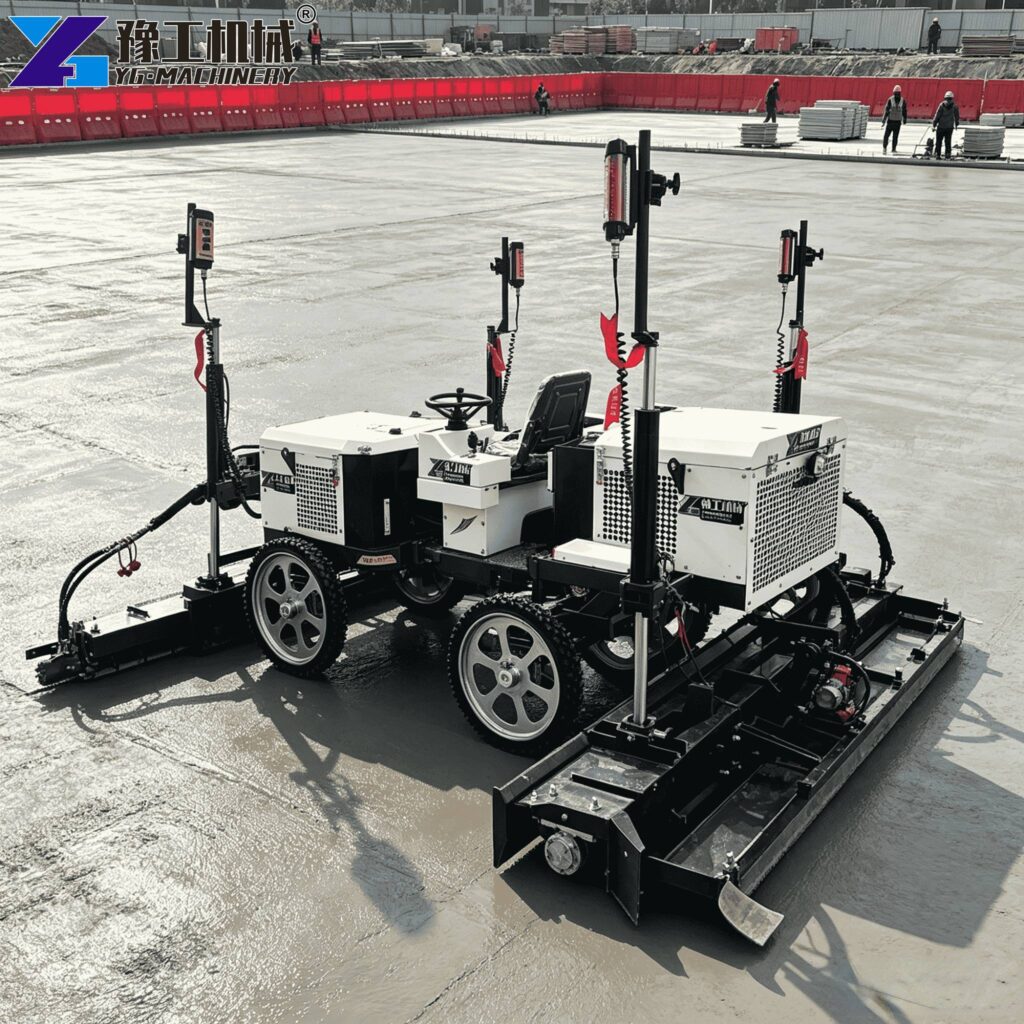
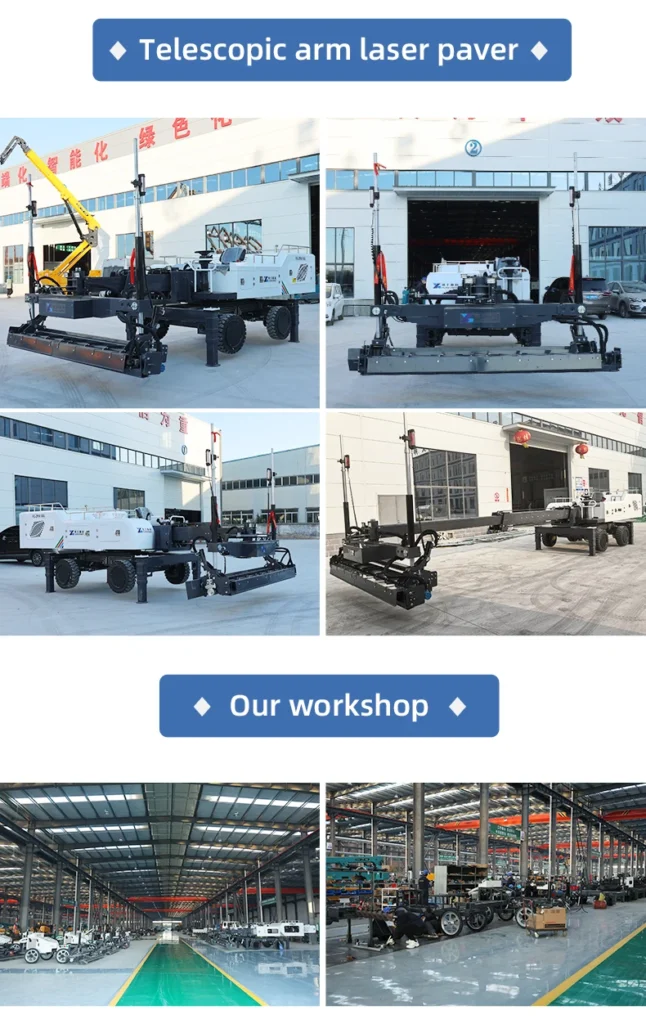
We recommended the YGJX33 model based on their specific requirements. This unit features a hydraulic control self-leveling screed head with microcomputer laser scanning. The system scans the floor surface continuously and adjusts the screed height in real time. The hydraulic self-leveling mechanism ensures consistent pressure across the full 2500mm width.
The machine runs on a GX390 engine delivering 13hp at 3600rpm. This provides enough power for both the drive system and vibration unit simultaneously. The vibration frequency sits at 50Hz, which ensures proper concrete compaction during leveling.
The YGJX33 supports working speeds up to 65m/min. However, we recommended 5m/min for their specific application. This speed matches their 150mm pour thickness and gives optimal compaction results. The machine weighs 380kg, light enough for a crew of four to reposition between zones without a crane.
Professional insight: When selecting a laser screed supplier, always verify their technical support response time. Fast on-site guidance during the first project prevents costly rework and builds operator confidence quickly.
Product Specifications
Parameter
YGJX31
YGJX32
YGJX33
YGJX34
Engine
GX390
GX390
GX390
GX390
Power
2.0kW
13hp/3600rpm
13hp/3600rpm
13hp/3600rpm
Fuel tank
14.5L
6.5L
6.5L
6.5L
Running speed
0-36m/min
0-45m/min
0-65m/min
0-45m/min
Screed type
Self-leveling
Electric control, self-leveling
Self-leveling
Hydraulic control, self-leveling
Screed width
2500mm
2500mm
2500mm
2500mm
Vibration frequency
50Hz
50Hz
50Hz
50Hz
Laser control
Microcomputer laser scan
Microcomputer laser scan
Microcomputer laser scan
Microcomputer control
Operation mode
Walk-behind
Walk-behind
Walk-behind
Walk-behind
Size (mm)
2758×2622×1980
2740×2659×1980
2578×2643×1980
2780×2622×1980
Weight
295kg
365kg
380kg
410kg
Need to compare all models in detail? Check out the full line of [YG Concrete Levelling Machines] to find the right capacity for your project.
Concrete Levelling Machine On-Site Deployment and Commissioning
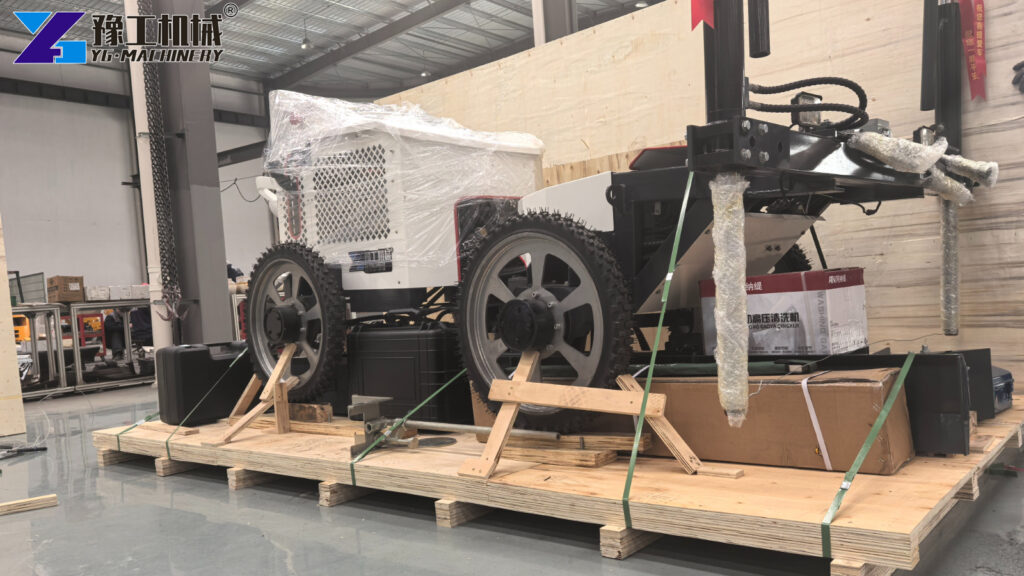
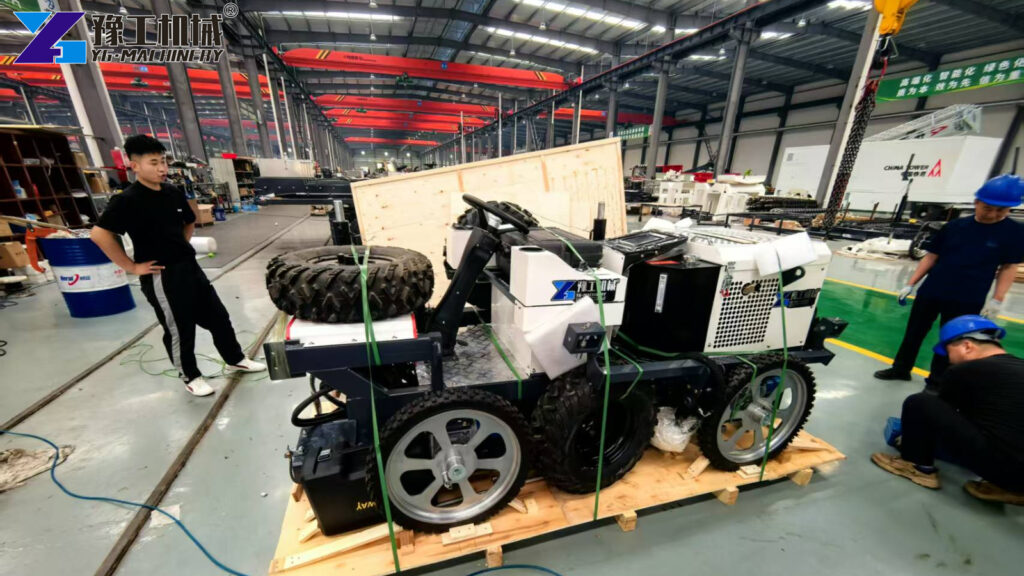
The machine shipped from Qingdao port to Vancouver. Sea freight took 18 days. Local customs clearance was completed in 3 working days with proper HS code documentation. We provided full export packaging with moisture protection and steel frame fixation.
On-site assembly and calibration took approximately 2 hours. Our remote technical team guided the client through laser calibration via video call. The microcomputer system auto-calibrated within 15 minutes after setup.
The first test run covered a 50 sqm section with a 150mm thick pour. Initial results showed an average deviation of ±1.5mm. This was within tolerance but could improve. We adjusted the forward speed and vibration overlap pattern. By day 3, the crew achieved consistent ±1.0mm results.
Professional insight: Always run a test strip on the first day. It helps the crew understand how concrete consistency and ambient temperature affect the final flatness result.
Concrete Levelling Machine Results and ROI Analysis
The client completed all four warehouse floors in 11 working days. The original timeline estimated 12 days. Final inspection showed an average flatness of ±1.2mm across the total 5,000 sqm area.
Here is the project outcome breakdown:
Average flatness: ±1.2mm across 5,000 sqm
Peak daily output: 680 sqm per 8-hour shift
Zero rework required after final inspection
Total fuel consumption: approximately 6.5 liters per 8-hour shift
Labor cost savings: roughly 35 percent compared to their initial manual method
The client’s project manager said the concrete levelling machine paid for its rental cost within the first warehouse. They saved an estimated CAD 18,000 by avoiding floor grinding and re-pouring. The automated storage system was installed without any modifications to the floor.
Professional insight: When calculating ROI, include hidden costs like floor grinding, re-pouring delays, and storage system modification fees. These often exceed the equipment rental cost significantly.
Concrete Laser Machine Maintenance Tips for Cold Climate Operation
The Calgary site experienced temperatures between -5°C and 8°C during the project. Cold weather affects both concrete workability and machine performance. Here are the maintenance practices that kept the machine running smoothly.
Warm up the engine for at least 10 minutes before engaging the screed
Check hydraulic fluid viscosity — use fluid rated for -15°C or lower
Clean the screed head thoroughly after each pour to prevent concrete buildup
Inspect the laser emitter lens daily and recalibrate if transported between zones
Grease the drive motor bearings every 50 operating hours
The client reported zero mechanical downtime during the 11-day project. The hydraulic system performed well in cold conditions because they used the recommended low-temperature hydraulic fluid.
Professional insight: In cold climate projects, hydraulic fluid selection matters more than most operators realize. Standard fluid thickens below 0°C and reduces screed response speed.
How to Choose a Laser Screed Supplier for Your Next Project
Selecting the right equipment depends on your project scale, flatness requirements, and site conditions. Here is a practical checklist for your evaluation process.
Calculate your required flatness specification first — Ff50 needs laser-guided control
Match the working width to your project scale — 2500mm suits most warehouse jobs
Verify the machine weight suits your crew size for easy repositioning
Ask the supplier about on-site technical support during initial deployment
Request reference cases from similar climate conditions
Check vibration frequency — at least 50Hz for pours over 100mm thick
Professional insight: Do not choose a supplier based on price alone. Technical backup and spare parts availability reduce your total project cost far more than a lower purchase price.
What flatness accuracy can a concrete levelling machine achieve?
Most models achieve ±1mm to ±2mm depending on concrete mix consistency, pour thickness, and operator speed control. The YGJX33 achieved ±1.2mm average on this Canadian project.
Can the machine operate in cold weather conditions?
es. Use low-temperature hydraulic fluid and allow proper engine warm-up time. This Calgary project ran successfully in temperatures as low as -5°C.
How long does shipping and customs clearance take to Canada?
Sea freight from China to Vancouver typically takes 18-24 days. Customs clearance adds 2-5 working days with complete documentation.
What crew size is needed to operate the machine efficiently?
Three to four workers handle the full operation. One operator controls the machine, one manages concrete placement, and one handles finishing.
How fast can a new crew become productive?
Most crews reach target output by day 2 or day 3. Running a test strip on day 1 helps the team understand machine behavior and concrete response.
What is the fuel consumption per shift?
The YGJX33 uses approximately 6.5 liters per 8-hour shift under normal working conditions. Actual consumption varies with terrain and working speed.
How often does the laser system need recalibration?
After initial setup, recalibration is only needed if the machine is transported between zones. The microcomputer system maintains accuracy within ±0.5mm over a 30m radius.
Video consultation, spec confirmation, contract signing
Production and QC
7 days
Assembly, testing, pre-shipment inspection
Sea freight
18 days
Qingdao to Vancouver
Customs clearance
3 days
Vancouver port
Inland transport
1 day
Vancouver to Calgary
On-site assembly
2 hours
Machine setup and laser calibration
Test run and training
1 day
50 sqm test strip, crew familiarization
Full production
11 days
4 warehouse floors, 5,000 sqm total
Key Results Summary
Metric
Result
Total area leveled
5,000 sqm
Average flatness
±1.2mm
Peak daily output
680 sqm
Total project duration
11 working days
Rework required
Zero
Labor cost savings
~35% vs manual method
Avoided re-pouring cost
~CAD 18,000
Get Your Concrete Levelling Machine Quote
Planning a warehouse, factory, or commercial flooring project in North America? YG Machinery provides factory live tours, real-time equipment demonstrations, and full on-site commissioning support. Our technical team responds within 24 hours and offers WhatsApp video support during your first project. Tell us your project scope, flatness requirements, and timeline. We will prepare a customized equipment recommendation and detailed quotation. Contact us today to start.