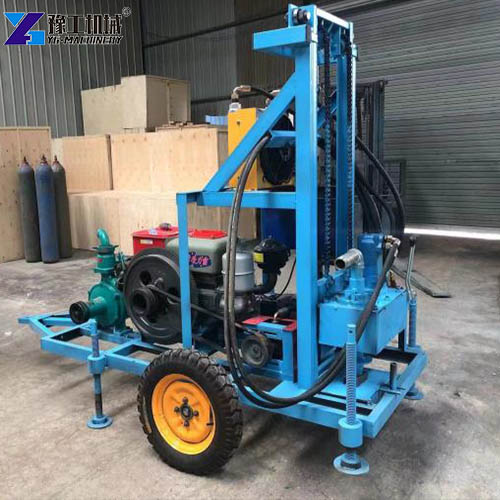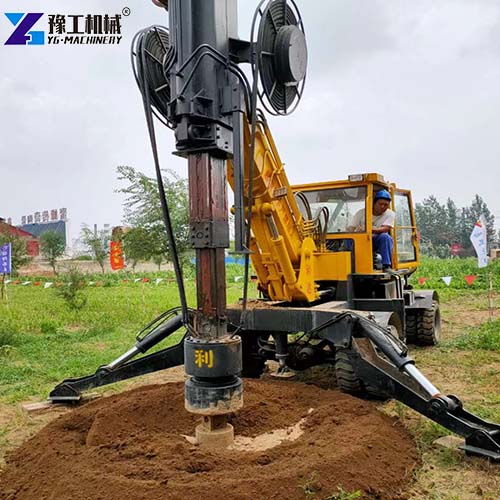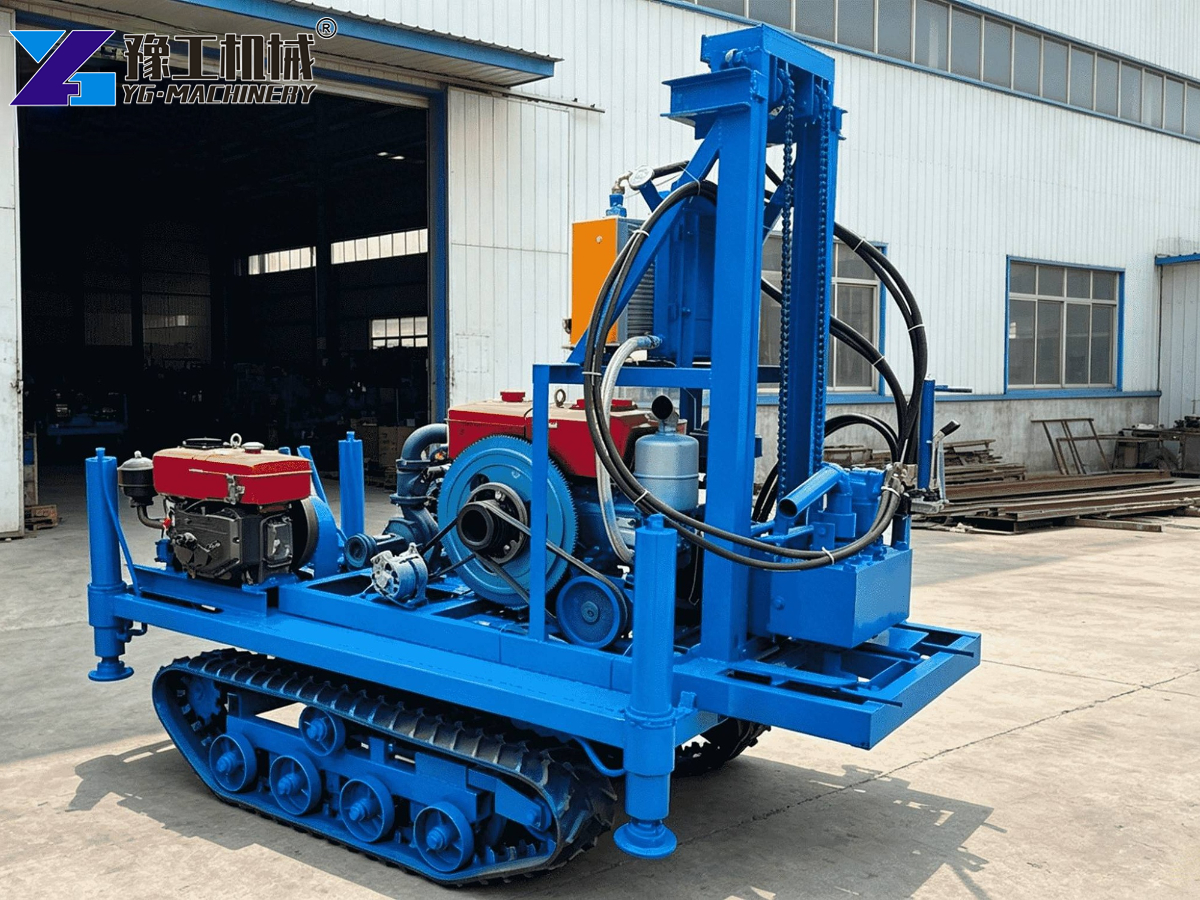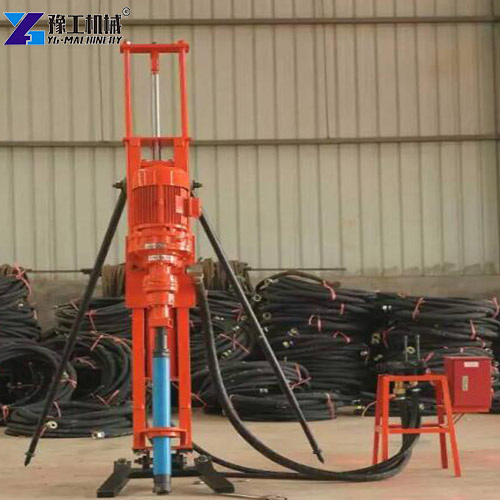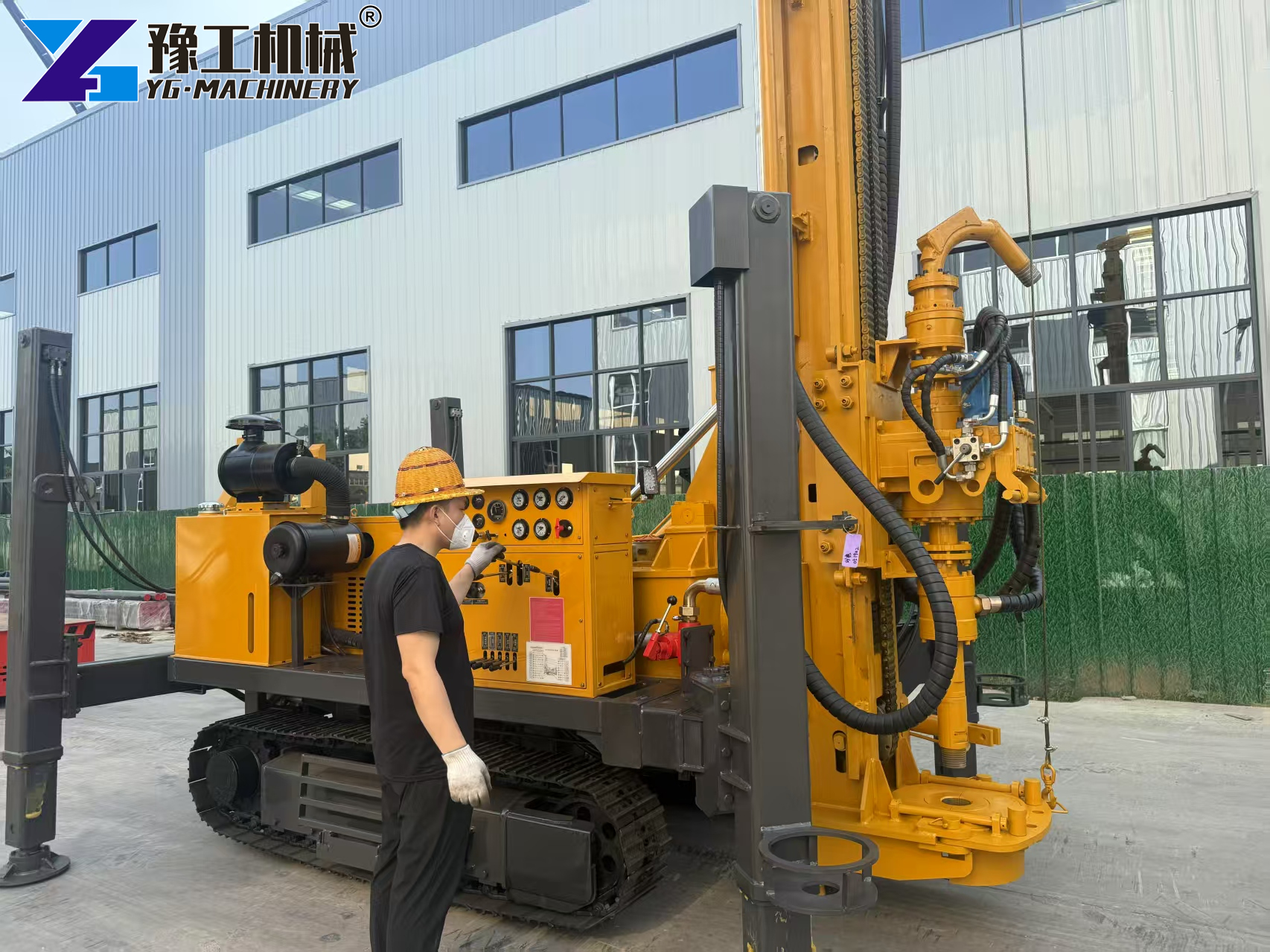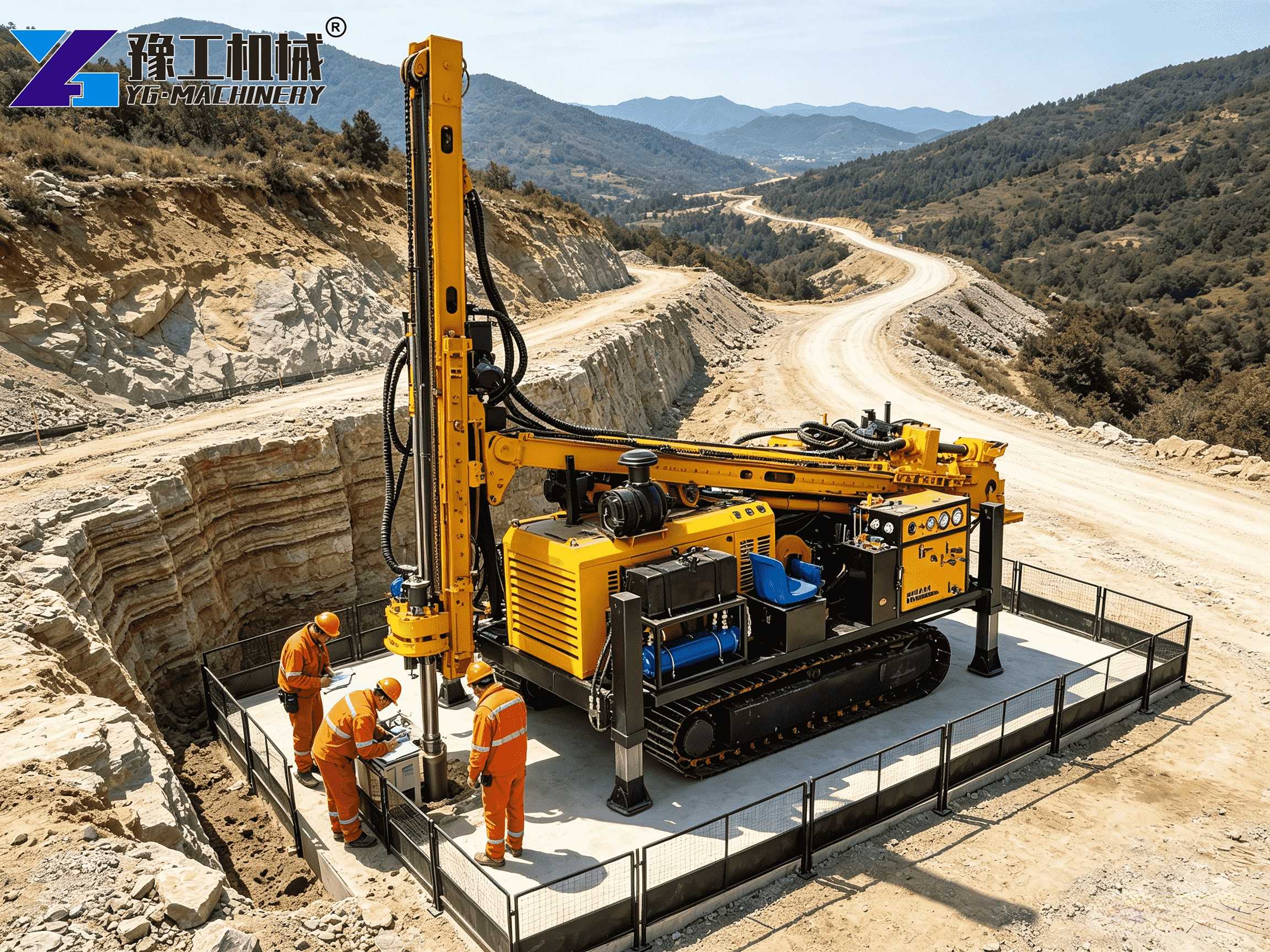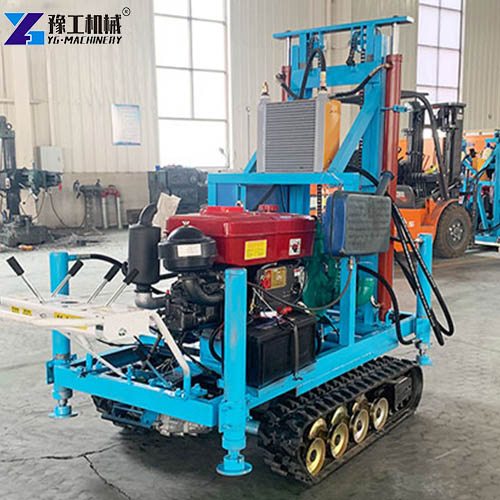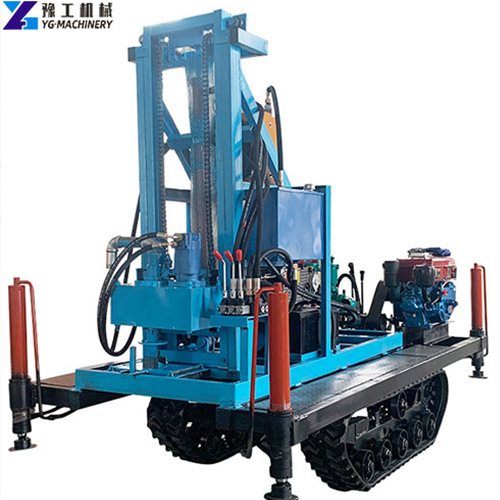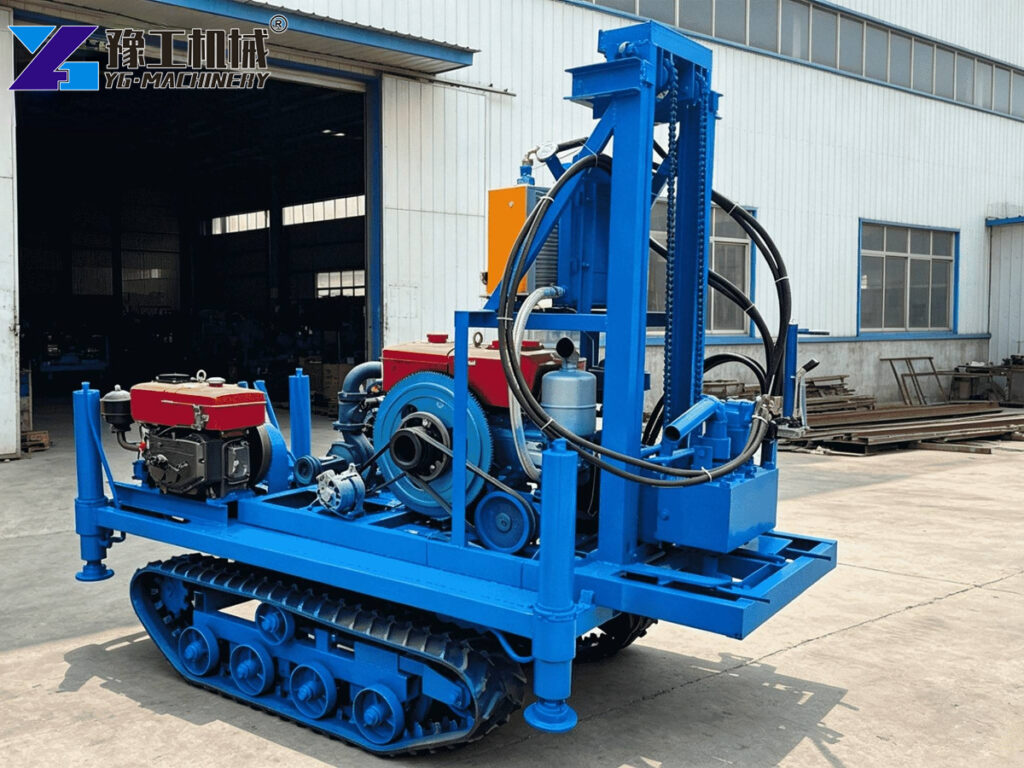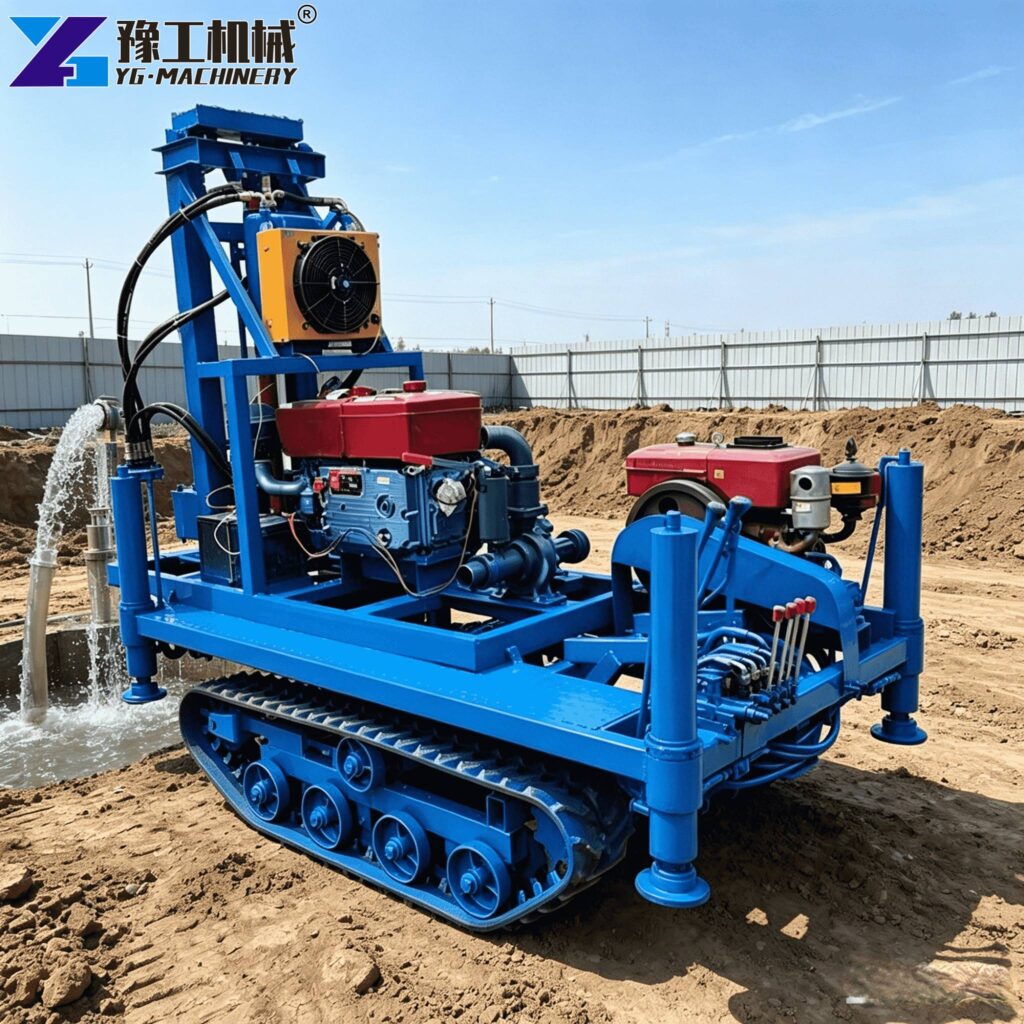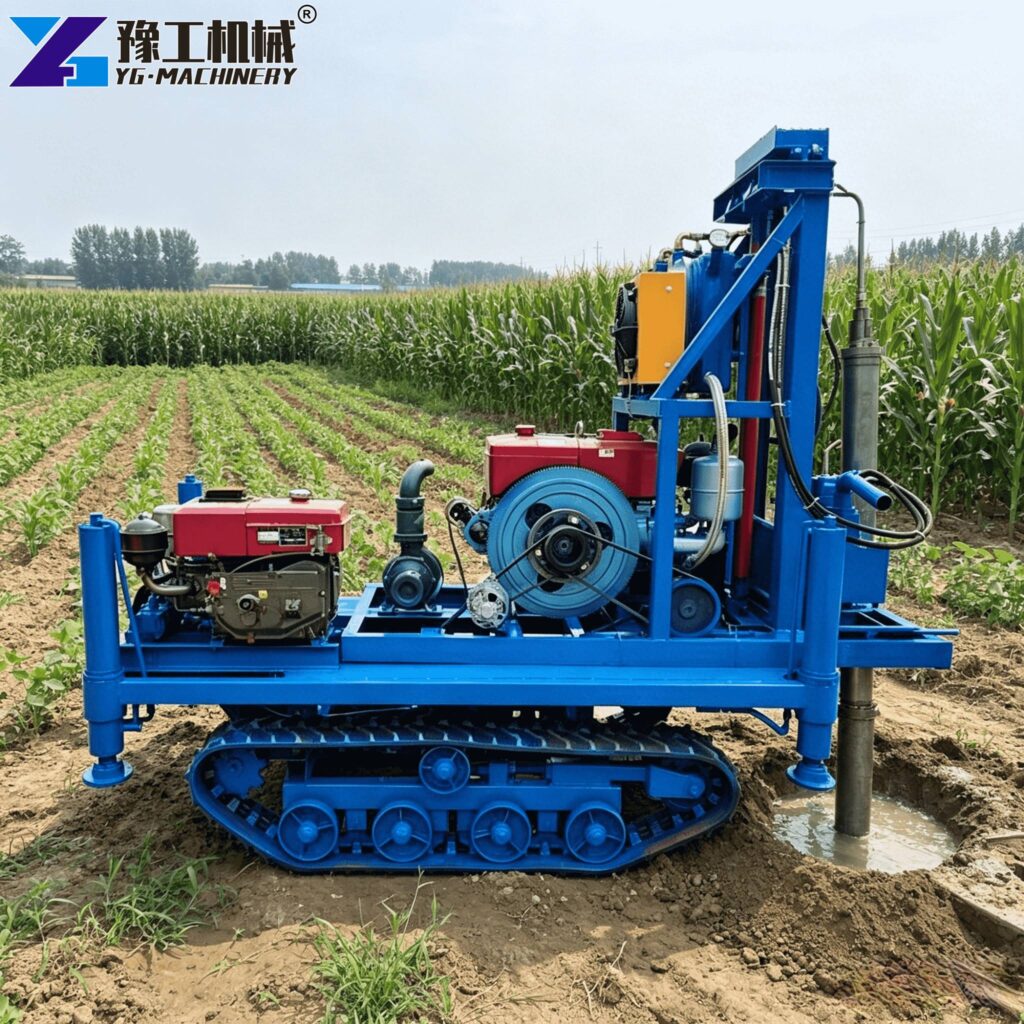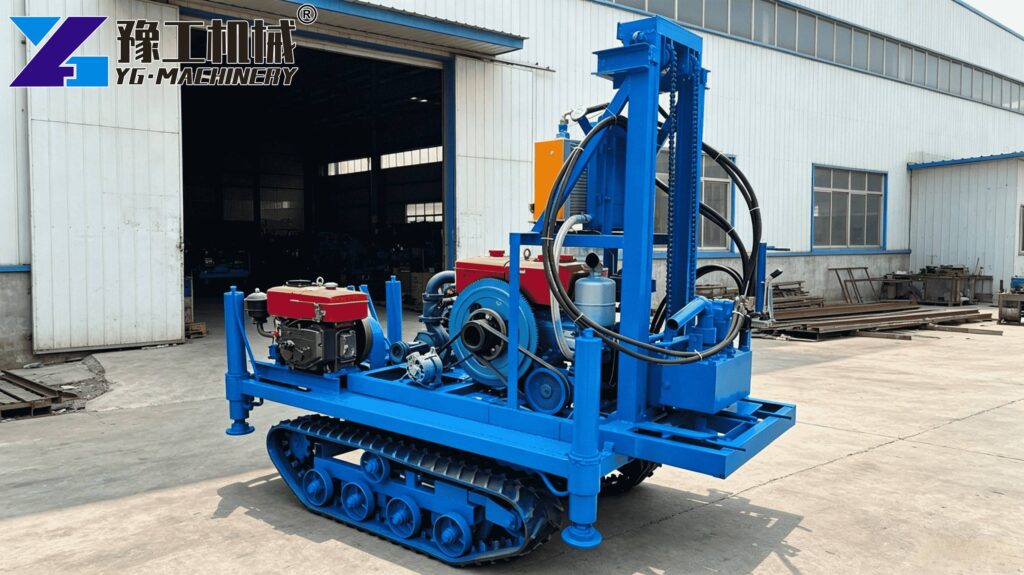
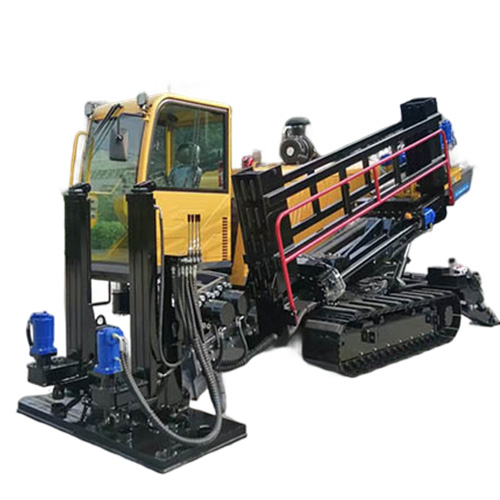
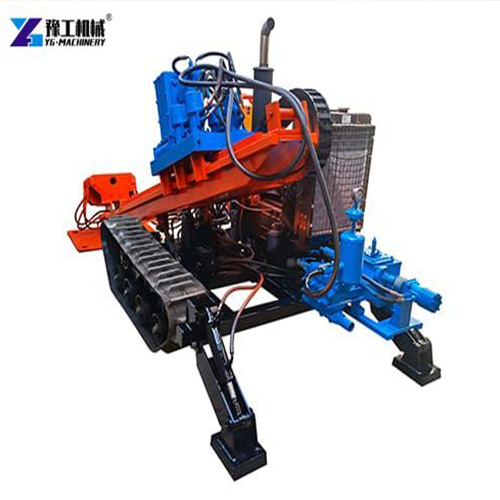
Directional drilling equipment is a trenchless machine that lays pipelines without breaking the ground. It works under roads, rivers, and buildings. The drill head follows a guided path, steers around buried obstacles, and emerges precisely at the target. It operates in most non-rock soils from -15°C to +45°C, with a single drive reaching up to 1500 meters. If you need a fast, low-disturbance solution, contact YG Machinery for specifications and pricing.
Key Parameters of YG Directional Drill Rig
| Model | YG-160A | YG-180 | YG-280 | YG-320 | YG-320A |
| Engine rated power | 100KW | 97KW | 160KW | 140KW/160KW | 160KW |
| Push and pull type | Cylinder | Motor | Motor | Cylinder | Motor |
| Maximum drag/feed force | 160/100KN | 180/180KN | 280/280KN | 320/320KN | 320/320KN |
| Maximum torque of the powerhead | 5000N.m | 6000N.m | 10000N.m | 12000N.m | 12000N.m |
| Powerhead speed | 0-180r/min | 0-140r/min | 0-120r/min | 0-140r/min | 0-140r/min |
| Moving speed of the powerhead | 30m/min | 20m/min | 20m/min | 20m/min | 20m/min |
| Maximum reaming hole diameter | Φ600mm | Φ600mm | Φ750mm | Φ800mm | Φ800mm |
| Drill rod length | 3m | 3m | 3m | 3m | 3m |
| Drill pipe diameter | Φ60mm | Φ60mm | Φ73mm | Φ73mm | Φ73mm |
| Entry angle range | 10-23° | 10-22° | 10-23° | 10-20° | 10-20° |
| Maximum mud flow | 160L/min | 250L/min | 320L/min | 320L/min | 320L/min |
| Maximum mud pressure | 100bar | 80bar | 80bar | 80bar | 80bar |
| Overall weight | 6700kg | 8500kg | 12500kg | 11500kg | 11200kg |
| Dimensions (L×W×H) | 5700×1820×2400mm | 6400×2270×2340mm | 7100×2260×2450mm | 7100×2250×2450mm | 7662×2162×2450mm |
How Directional Drilling Equipment Works?
Stage one: pilot drilling
After anchoring the rig, the operator sets the entry angle. The powerhead rotates the drill rod and pushes the bit forward. A guidance system tracks the depth and position, so the drill head can steer around obstacles. During this stage, a mud pump sends bentonite slurry through the rod and out of the bit. The slurry lubricates the borehole, prevents the rod from seizing, and stabilizes the tunnel wall.
Stage two: reaming
Once the pilot bit emerges at the exit point, the crew removes the bit and attaches a reamer to the rod. The powerhead pulls the rod back, rotating the reamer to enlarge the hole to the required diameter. For larger pipes, multiple reaming passes are done, each using a bigger reamer.
Stage three: pipe pullback
The pipeline (steel or PE) is connected to the reamer with a swivel. The rig pulls the rod, reamer, and pipe back through the enlarged hole. When the pipe appears at the entry side, the installation is complete. The whole process leaves the surface untouched.
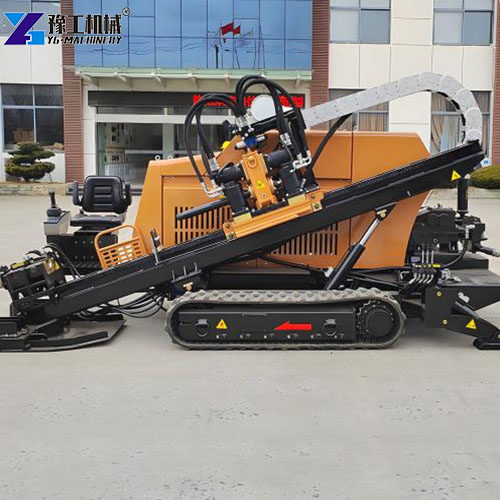
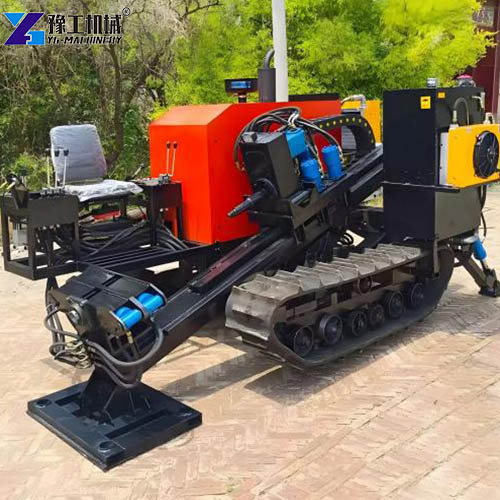
What Benefits Does a Horizontal Drill Rig Offer?
1.No traffic disruption
All work happens below ground. Roads, railways, and bridges stay fully open to traffic. There is no need to dig trenches, close lanes, or set up long detours. Construction noise and dust are minimal. Neighbors and businesses barely notice the job is there.
2. High accuracy
The guidance system lets the operator adjust the drill head in real time. Directional drilling equipment head can go under buildings, rivers, or existing utilities with a deviation of less than 1% of the depth.
3. Short project time
When pipes are buried 6 to 18 meters deep, oxygen levels drop sharply. Corrosive agents like moisture, salt, and bacteria are scarce at that depth. Steel and iron pipes last decades longer than those placed in shallow, oxygen-rich soil.
4. Natural corrosion protection
The surrounding earth also acts as natural insulation. For hot fluids like oil or heated water, the ground reduces heat loss. For drinking water lines, it prevents freezing in winter. Longer pipe life means lower replacement costs and fewer service disruptions.
5. This extends pipe life
The surrounding earth also provides insulation, reducing heat loss for hot fluids or frost protection for water lines.
6. Lower total cost
There is no pavement repair, no landscape restoration, and minimal traffic control. For long drives under obstacles, directional drilling equipment often costs half as much as trenching.
Applications of Horizontal Directional Drilling Equipment
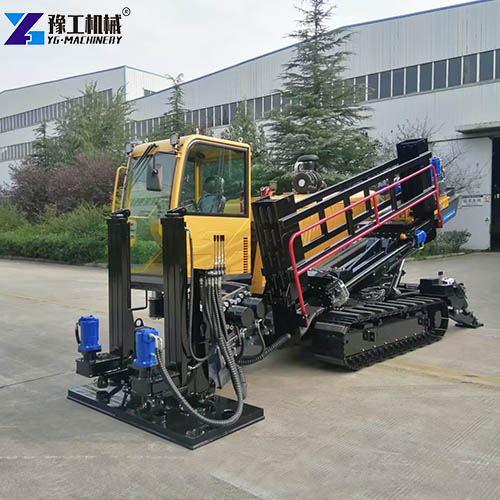
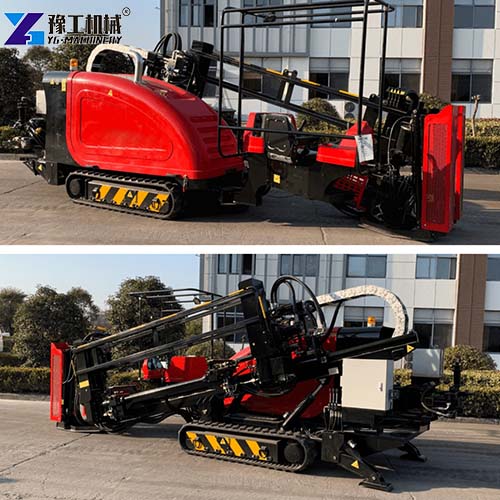
- Road and railway crossings: No need to stop traffic or damage the roadbed. Utility lines can be placed under highways, runways, and train tracks without permits for surface disruption.
- River and canal crossings: The drill can go 6 to 18 meters below the riverbed. This protects aquatic life and avoids dredging or dam construction. Water, gas, and fiber optic cables frequently cross under rivers this way.
- Urban and historic zones: In crowded city centers, digging is often banned. Directional drilling equipment installs new lines under sidewalks, parks, and old buildings. It also replaces failing pipes without tearing up the street.
- Farmland and protected areas: Crops and conservation land remain untouched. The entry and exit pits are small, so almost no land is lost from production.
- Oil and gas pipelines: Long-distance onshore lines often need to go under existing infrastructure. A directional drill rig can pull steel pipes up to 1200mm in diameter for several hundred meters in a single shot.
Why Choose a Directional Boring Machine for Sale From YG?
YG Machinery builds its directional boring machine for sale with high automation and easy maintenance. Standard features include auto rod loader, self anchoring, automatic grease injection, and anti-electric shock system. The mud system uses a variable frequency drive. All models come with a one-year warranty and stocked spare parts. YG exports to Europe, South America, and Southeast Asia with factory-direct pricing. Need directional drilling equipment that handles hard clay, sand, or mixed ground? Contact YG Machinery with your pipe diameter, crossing length, and soil type. Get a recommendation and price within 24 hours.