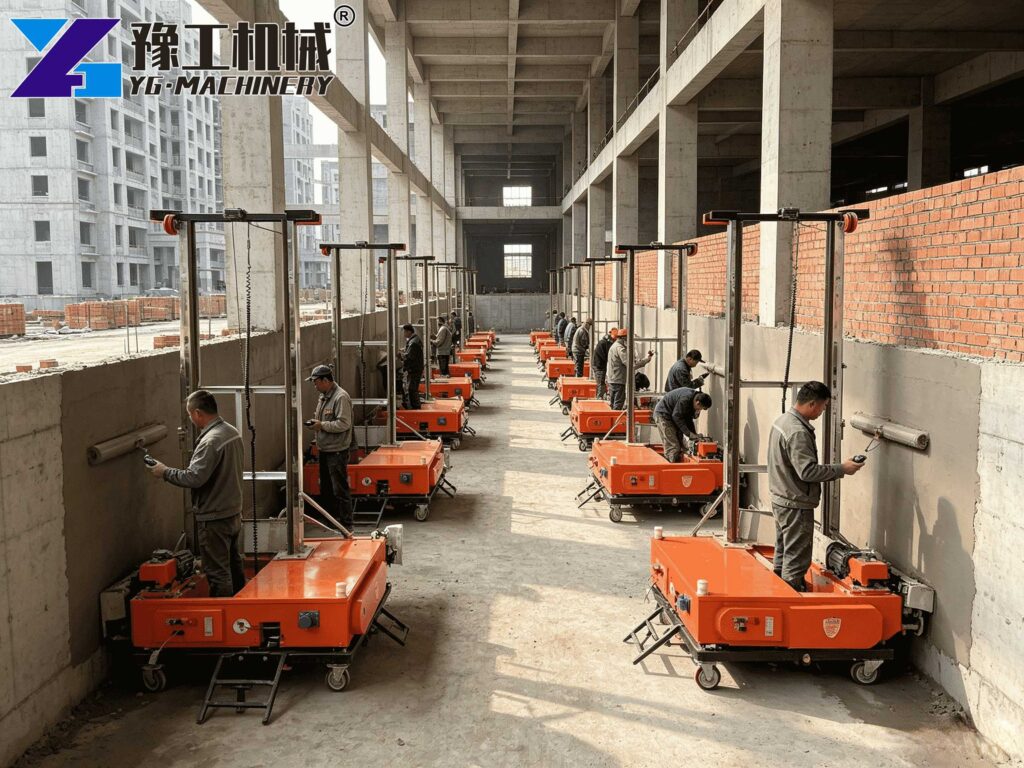
Building inspectors increasingly reject walls with uneven surfaces and hollow spots. A house plastering machine solves this by applying mortar in uniform layers. Speeds reach up to 500㎡ per 8-hour shift. The YG-TP1000-5 model covers a full 1000mm width in one pass. This reduces rework and labor costs. This guide explains how the machine works and where it performs best. It also covers maintenance tips for long-term use.
| Parameter | YG-TP1000-5 |
|---|---|
| Plaster Width | 1000mm |
| Rendering Height | 2.6-3.5m |
| Rendering Thickness | 5mm-30mm |
| Output | 500㎡/8h |
| Voltage | 220V/380V |
| Motor Power | 1.5kw |
| Cement-Sand Ratio | 1:3 |
| Weight | 130kg |
| Package Size | 1200×800×800mm |
How House Plastering Machine Improves Wall Quality
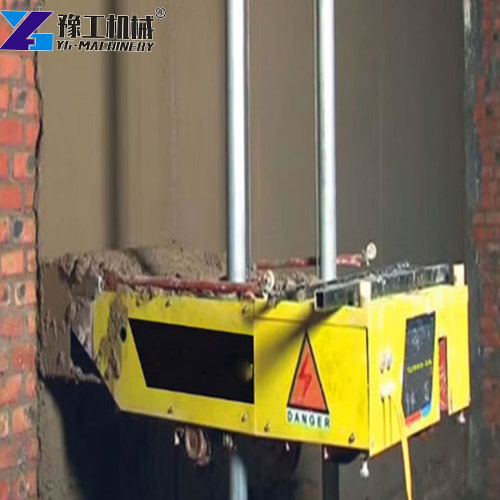
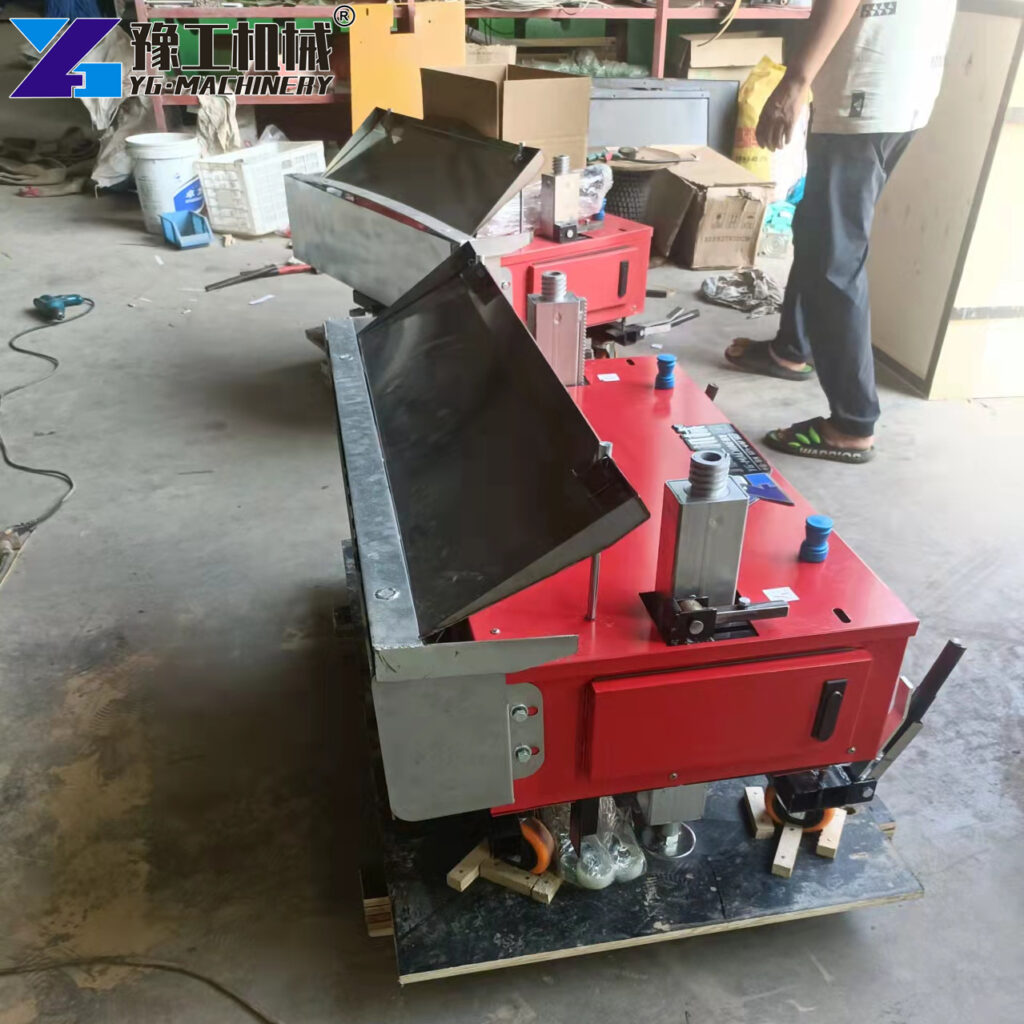
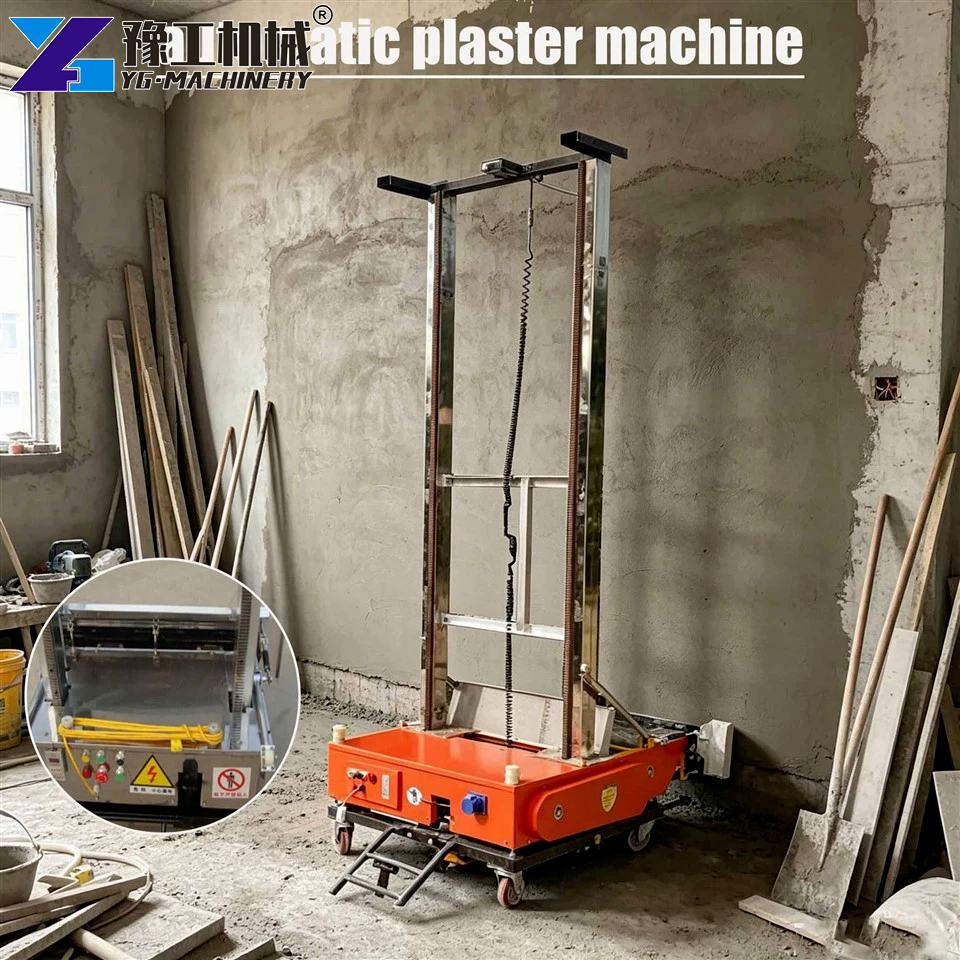
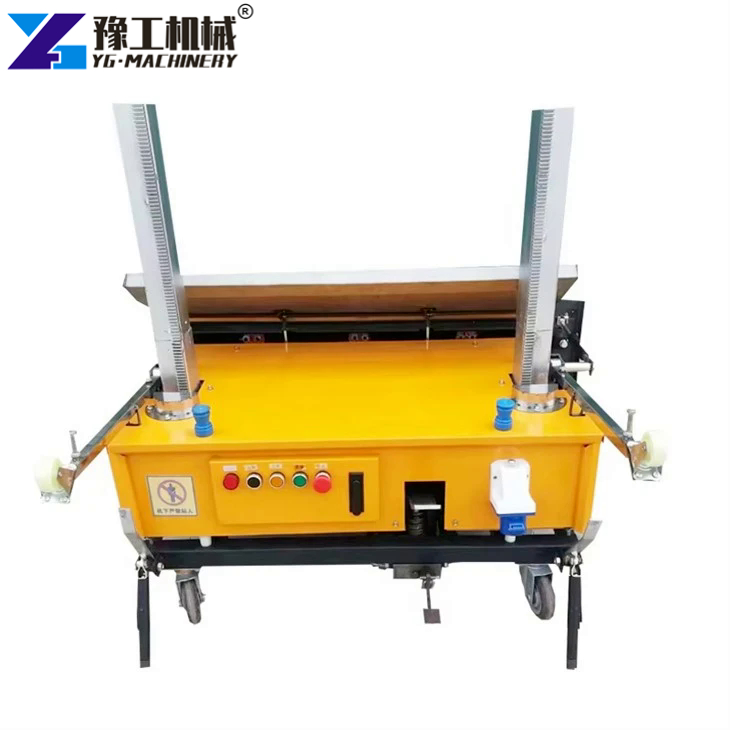
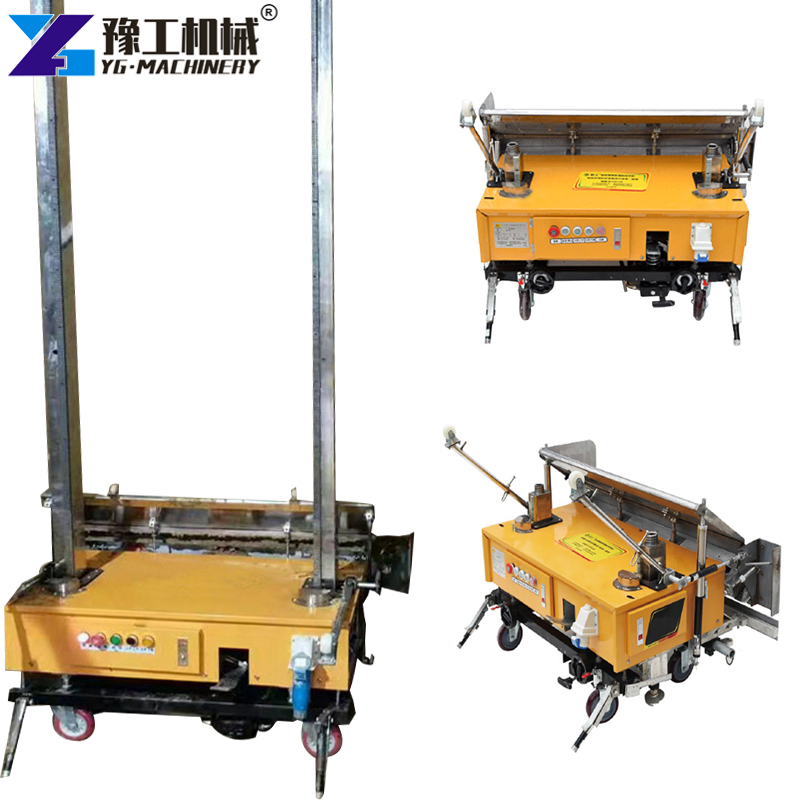
The YG-TP1000-5 uses a motorized rendering head on a fixed guide rail. Mortar feeds continuously through the head during operation. The machine applies a smooth coat across the full 1000mm width.
Thickness control is a key quality factor. Operators set the mortar layer between 5mm and 30mm. A simple adjustment knob handles this change. This range covers most residential requirements. Thin coats work for finished surfaces. Thicker layers suit base-coat applications.
The rendering height adjusts from 2.6 to 3.5 meters. This covers standard room heights without repositioning the unit. Fewer moves mean fewer visible joints between sections. The result is a more uniform wall surface.
Top Features of Automatic Rendering Machine
Five key features set the YG-TP1000-5 apart on residential sites.
- 1. Uniform mortar feed. The machine delivers mortar at a steady rate. This prevents thin spots and dry patches across the working width.
- 2. Lightweight construction. At just 130kg, one worker rolls the unit between rooms. The compact package fits through standard doorways easily.
- 3. Dual voltage support. The motor runs on both 220V and 380V supplies. This flexibility suits different site electrical configurations.
- 4. Simple mortar preparation. A standard 1:3 cement-sand mixture works well. No specialized additives or precision batching is needed.
- 5. Fast return on investment. Most contractors recover the machine cost quickly. Labor savings begin from the very first project.
These features make the automatic rendering machine a practical choice for residential builders worldwide.
Why Builders Choose House Plastering Machine
Residential projects demand consistent quality across dozens of identical rooms. Manual plastering produces variable results. Skill levels and worker fatigue both affect the final surface. A house plastering machine removes this inconsistency entirely.
One unit covers 500㎡ in a standard 8-hour shift. This output matches six to eight experienced plasterers working together. Fewer workers on site means lower labor expenses. Coordination becomes simpler for site managers.
Return on investment comes quickly for most buyers. Contractors typically recover the purchase price within three projects. The savings grow larger as the machine ages. Maintenance costs stay low with basic daily care.
Speed also shortens the overall construction schedule. Plastering phases finish sooner than manual timelines allow. Follow-on trades like painting start earlier. The building reaches handover stage faster.
House Wall Plastering Machine Applications and Cases
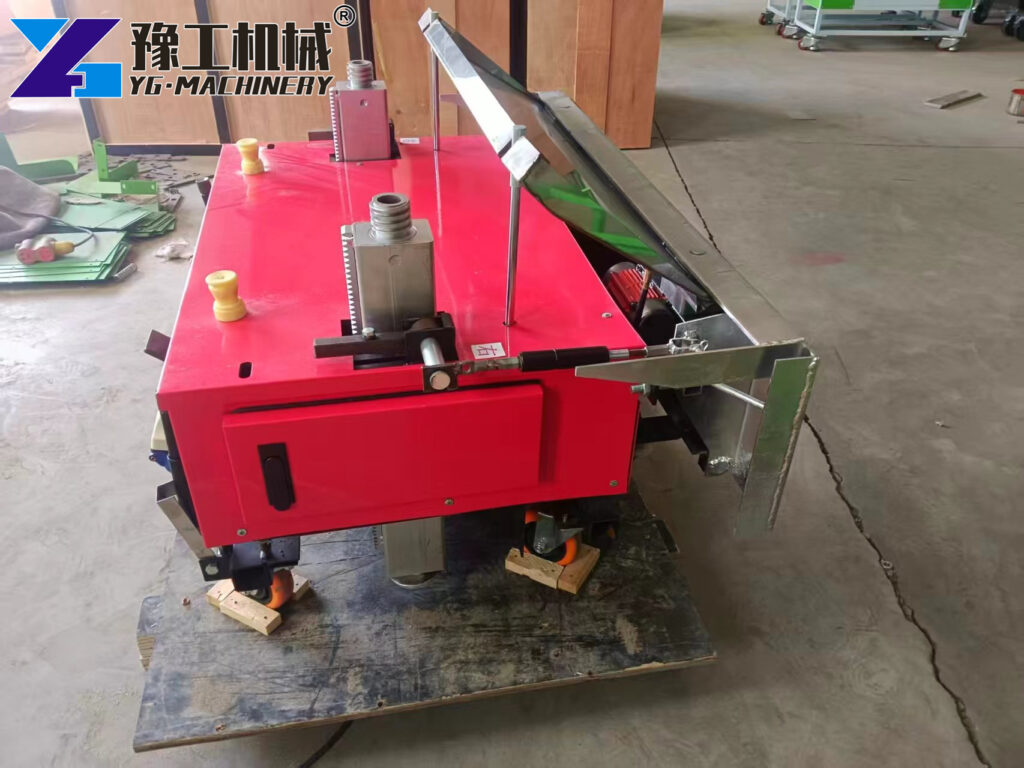
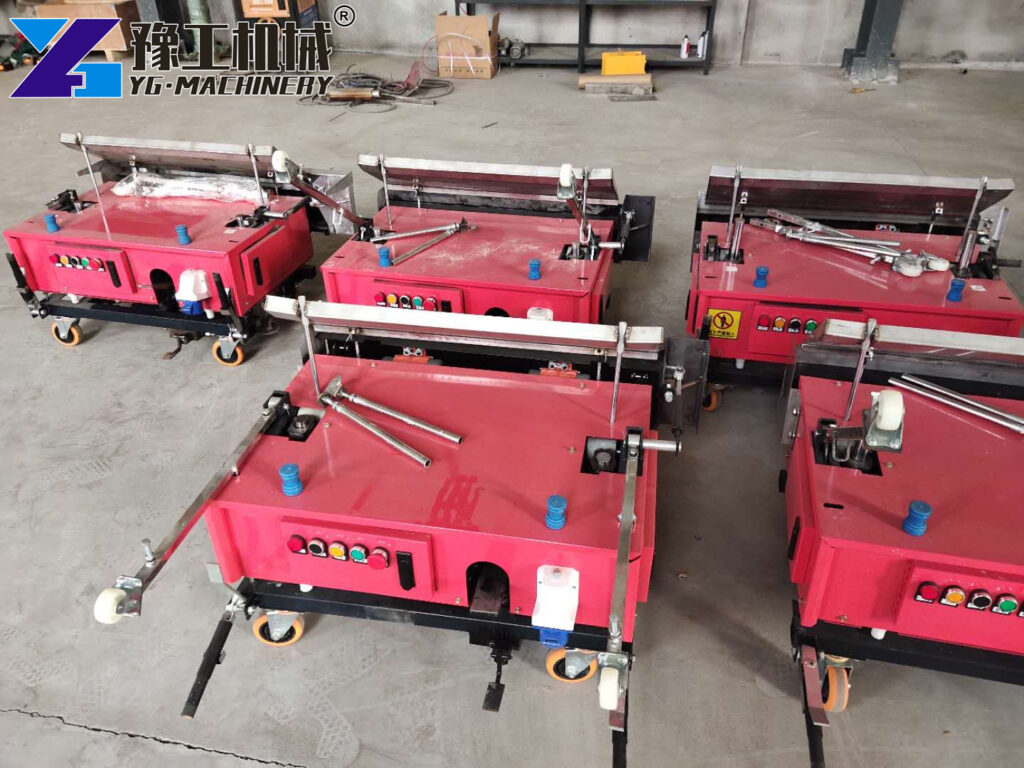
The house wall plastering machine handles diverse residential and light commercial tasks:
- Villa communities: Consistent finishes across different unit floor plans
- Apartment blocks: Repetitive layouts ideal for mechanized plastering
- Hotel renovations: Quick room turnover with clean wall surfaces
- Student housing: High-volume work with tight budget requirements
- Office interiors: Smooth walls ready for paint or decorative finishes
Project Case 1
A villa development in Bangkok, Thailand required interior plastering for 24 two-story units. The contractor selected the YG-TP1000-5 for its portability and precise thickness control. Each villa had 180㎡ of interior wall area across both floors. The total project scope covered 4,320㎡.
Workers set the rendering height to 3.0 meters for ground-floor ceilings. Upper floors used the 2.8-meter setting. The adjustable thickness range allowed different treatments per room type. Living areas received a 15mm smooth finish. Service zones like kitchens used a thinner 10mm coat. The 1000mm plaster width covered most wall sections in just two passes.
Bangkok’s hot climate caused mortar to set quickly. The team mixed smaller batches to prevent waste. Two worker teams operated the machine on alternating floors. They completed two villas per day on average. All 24 units were finished in 22 working days. Quality inspections showed 96% of walls passed the ±2mm flatness test on the first attempt. The remaining 4% needed minor touch-ups only. Total labor costs dropped 36% versus the contractor’s previous manual plastering projects. The project manager ordered a second unit for their next housing development.
Project Case 2
A private residential estate in Accra, Ghana needed interior plastering for 10 three-story townhouses. Each townhouse had 250㎡ of wall area per floor. The total scope reached 7,500㎡ across all floors and units.
Local power supply was unreliable in this area of Accra. The YG-TP1000-5 dual voltage motor ran smoothly on the site generator. The 1.5kw motor drew minimal current. Voltage fluctuations did not affect rendering quality or speed.
Coastal humidity in Accra required mortar mix adjustments. The team increased cement content to improve water resistance. The machine maintained consistent feed quality despite the adjusted ratio. Workers operated the machine from the ground floor upward. Each floor took about 4 hours to complete.
All 10 townhouses were plastered in 30 working days. The project finished one week ahead of schedule. Overall plastering expenses fell 33% below the original manual labor estimate. The developer praised the smooth finish quality. Minimal sanding was needed before painting began. The contractor has since purchased two additional units for ongoing work.
House Plastering Machine Daily Maintenance Guide
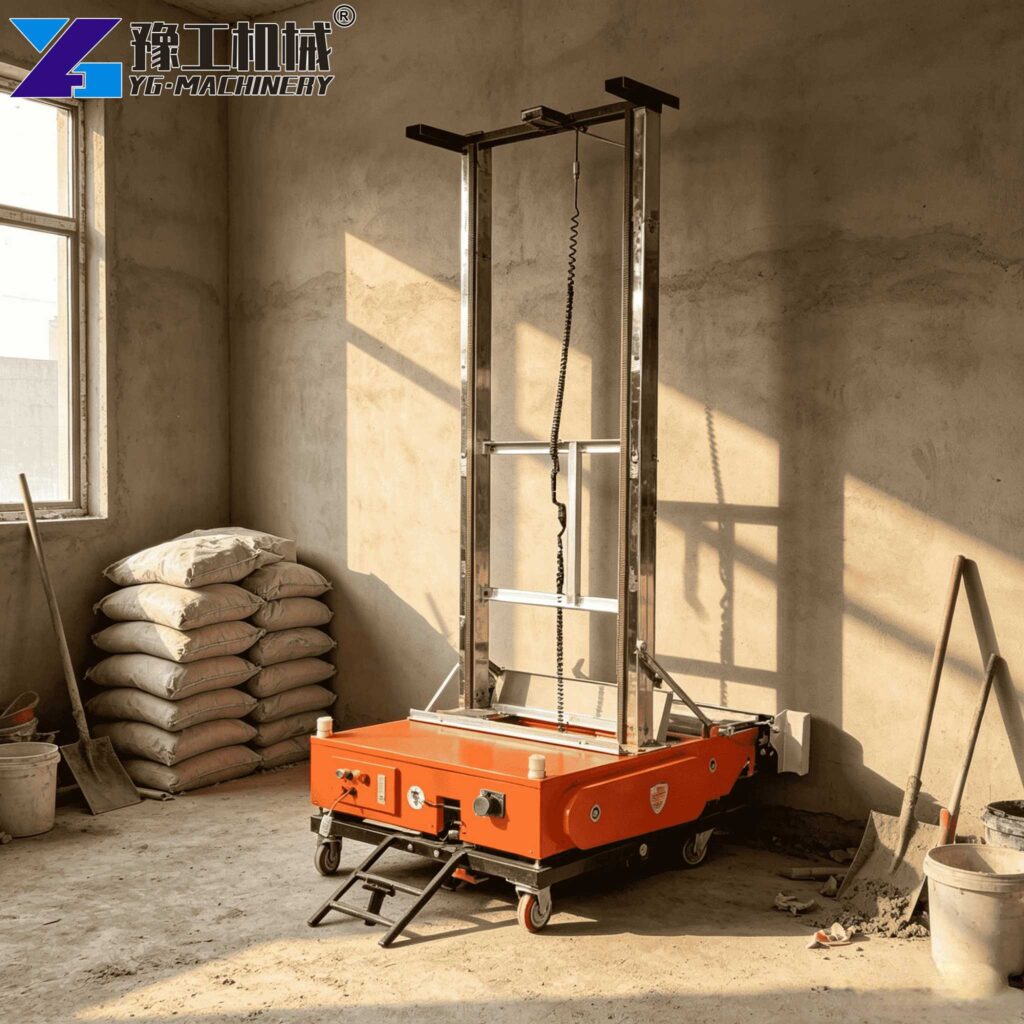
Regular care keeps the machine running at peak performance. Most daily tasks take under 15 minutes to complete.
- Clean the rendering head after every shift. Wash off wet mortar before it hardens. Dried mortar blocks the feed mechanism.
- Lubricate the guide rail weekly. Apply lightweight grease to the vertical rail. This ensures smooth vertical travel every time.
- Check electrical connections monthly. Look for loose terminals or moisture damage. Replace any damaged wires right away.
- Inspect the mortar feed tube often. Replace tubes showing cracks or stiffness. A worn tube causes uneven mortar flow.
- Cover the machine during storage. Dust and humidity accelerate component wear. A simple tarp provides adequate protection.
Following these steps prevents most common breakdowns. Parts replacement costs stay low with consistent care.
Why Choose YG Machinery
YG Machinery has produced construction equipment for over ten years. Our plastering machines serve customers across Southeast Asia, Africa, and South America. We support every buyer from first inquiry through long-term daily operation.
Our service package includes:
- Free project consultation and custom voltage options
- One-year warranty on all core components
- Lifetime spare parts supply at factory pricing
- Online video support for operation and maintenance
Get Your Free Quote Now
Improve your wall finishing quality while cutting labor costs. Contact YG Machinery today for a tailored solution.
- Email: admin@yugongheavy.com
- WhatsApp/Phone: +86 183 3715 2861