Stop guessing. The wrong machine wastes your budget, delays your project, and leaves you with faded lines in six months.
You have a parking lot to stripe, a highway to mark, or a factory floor to organize. You search online, see “hot melt” and “cold spray” everywhere, and still have no idea which road painting machine to buy. Sound familiar?
Here is the short version: hot melt gives you thick, reflective lines that last for years – perfect for roads and highways. Cold spray is cheaper and works in freezing weather – ideal for parking lots, temporary markings, or northern winters. But the real answer depends on your budget, timeline, and traffic conditions.
For most contractors, reliable road striping equipment means hot melt for long-term jobs and cold spray for quick fixes.
What’s the Difference, Really?
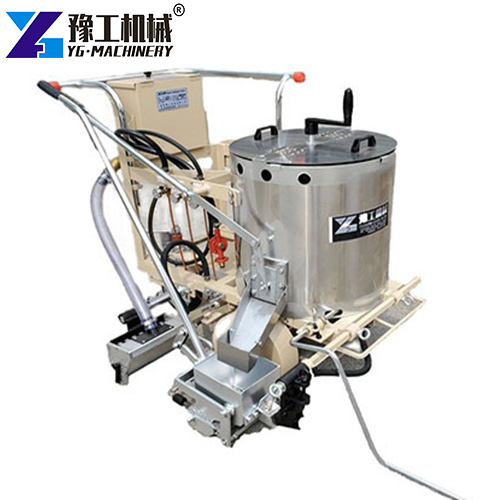
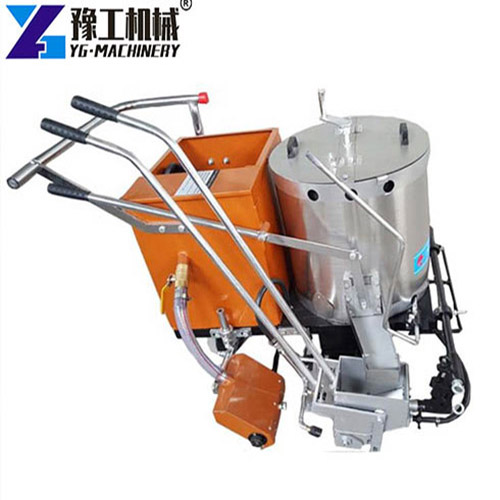
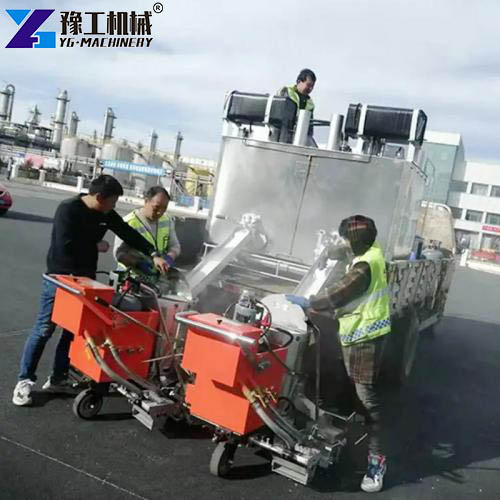
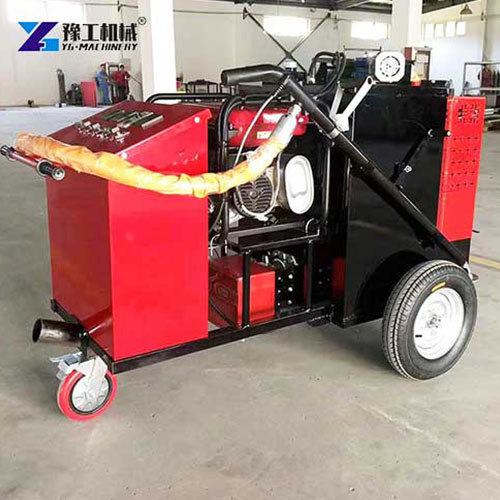
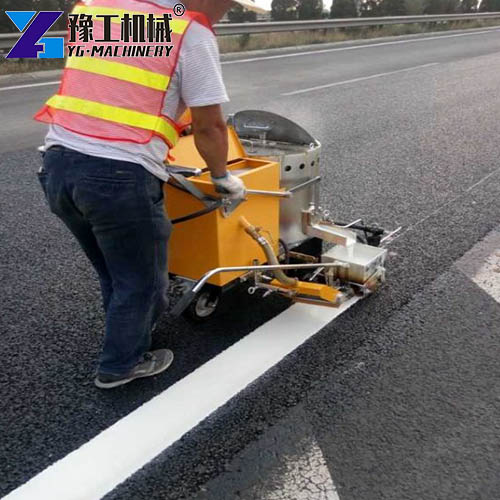
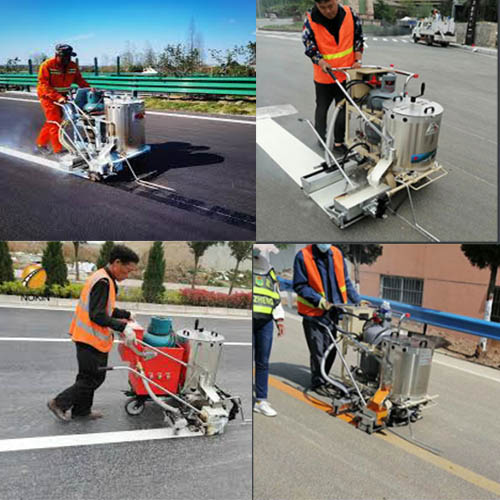
Hot melt marking uses powder paint that you heat to 180–210°C in a separate kettle. The melted material is applied through a screed box at 1.5–1.8mm thick. Glass beads drop simultaneously, embedding halfway for instant retroreflection. It dries in 6 seconds – open to traffic almost immediately.
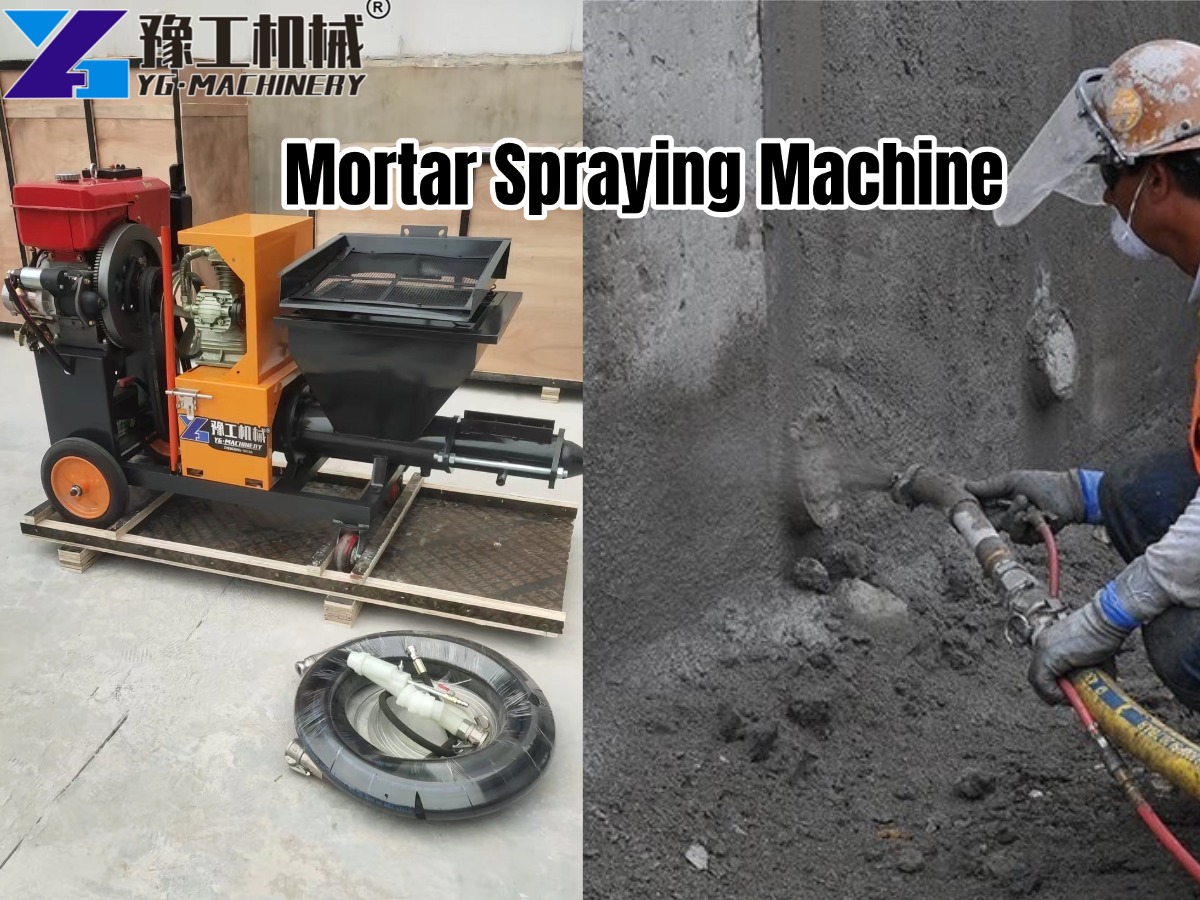
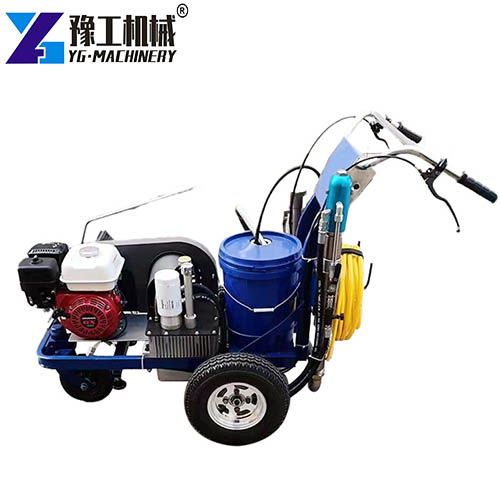
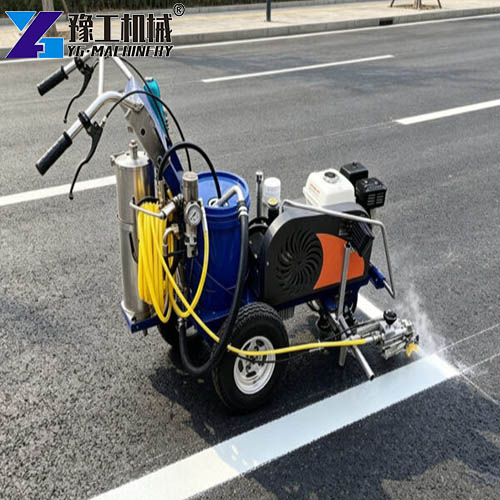
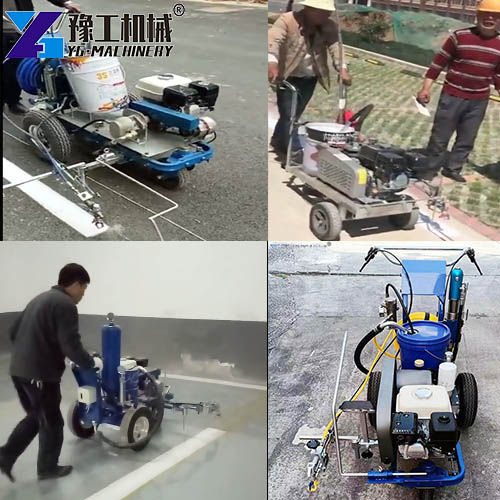
Cold spray marking uses liquid paint at room temperature. A pump pressurizes the paint and sprays it through a gun. Thickness is only 0.2–0.4mm. It dries in about 2 hours by solvent evaporation. No glass beads unless you add them separately.
5 Core Comparisons: How to Choose Your Road Striping Equipment
1. Longevity and Durability
Hot melt lasts 2–4 years with strong retroreflection. Cold spray lasts only 6 months to 1 year because its thin layer wears fast, and glass beads fall off quickly.
Verdict: Use hot melt for highways, airports, and urban roads. Cold spray is fine for seasonal lots or temporary lines.
2. Initial and Operating Cost
Hot melt: hand-push models from USD 950 plus a USD 1,500–3,000 kettle. Material cost: USD 8–15 per square meter. Cold spray: USD 500–2,200, no kettle. Material: USD 3–6 per square meter. But cold spray fails in six months, so yearly restriping erases savings.
Verdict: A hot-melt road-painting machine pays off on long-term projects.
3. Drying Time and Traffic Disruption
Hot melt dries in 6 seconds – open road immediately. Perfect for highways or costly lane closures. Cold spray takes about 2 hours, requiring cones, detours, or overnight closures.
Verdict: If your work zone has high traffic volume or tight windows, hot melt is non-negotiable.
4. Weather Flexibility
Hot melt struggles below 5°C – hot paint cools too fast on cold roads, reducing adhesion. Cold spray works at 0°C and below; it just takes longer to dry.
Verdict: For year-round work in cold climates, keep a cold spray unit as backup. For summer-only projects, hot melt wins.
5. Labor and Skill Level
Hot melt needs more training: manage kettle temperature, stirring, transfer, and screed adjustment. Two people work best. Cold spray is simple: pour, pull the trigger, and walk. One person, five-minute cleanup.
Verdict: Cold spray suits small crews or solo operators. Hot melt needs more coordination but delivers two to three times higher daily output.
Thermoplastic Paint Machine Parameters
| Model | YG-CK360S | YG-CK360S |
| Tank Capacity | 100 kg | 100 kg |
| Marking Width Range | 50–450mm(standard 150 mm) | 50–450mm (standard 150 mm) |
| Glass Bead Capacity | 10 kg | 10 kg |
| Battery | 48V 15AH lithium | 48V 15AH lithium |
| Speed | 1–8 km/h | 1–8 km/h |
| Working Duration | 5 hours (full charge) | 5 hours (full charge) |
| Net Weight | 130 kg | 100 kg |
| Dimensions (L×W×H) | 1210×970×1070 mm | 1200×970×1100 mm |
Cold Spray Road Painting Machine Parameters
| Model | YG-8S | YG-8D |
| Motor power | 5.5hp Honda gasoline engine | 5.5hp Honda gasoline engine |
| Plunger pump | Electronic reversing | Automatic Reciprocating Commutation |
| spraying gun | Single gun | Double gun |
| Work mode | Hydraulic | Hydraulic |
| Pressure | 8-12Mpa | 8-12Mpa |
| Unloading flow | 4.8L/min | 8L/min |
| Spray width | 100-300mm | 100-450mm |
| Spray thickness | 0.2-0.4mm | 0.2-0.4mm |
| Size | 1600×800×1200mm | 1600×800×1200mm |
| Weight | 120kg | 120kg |
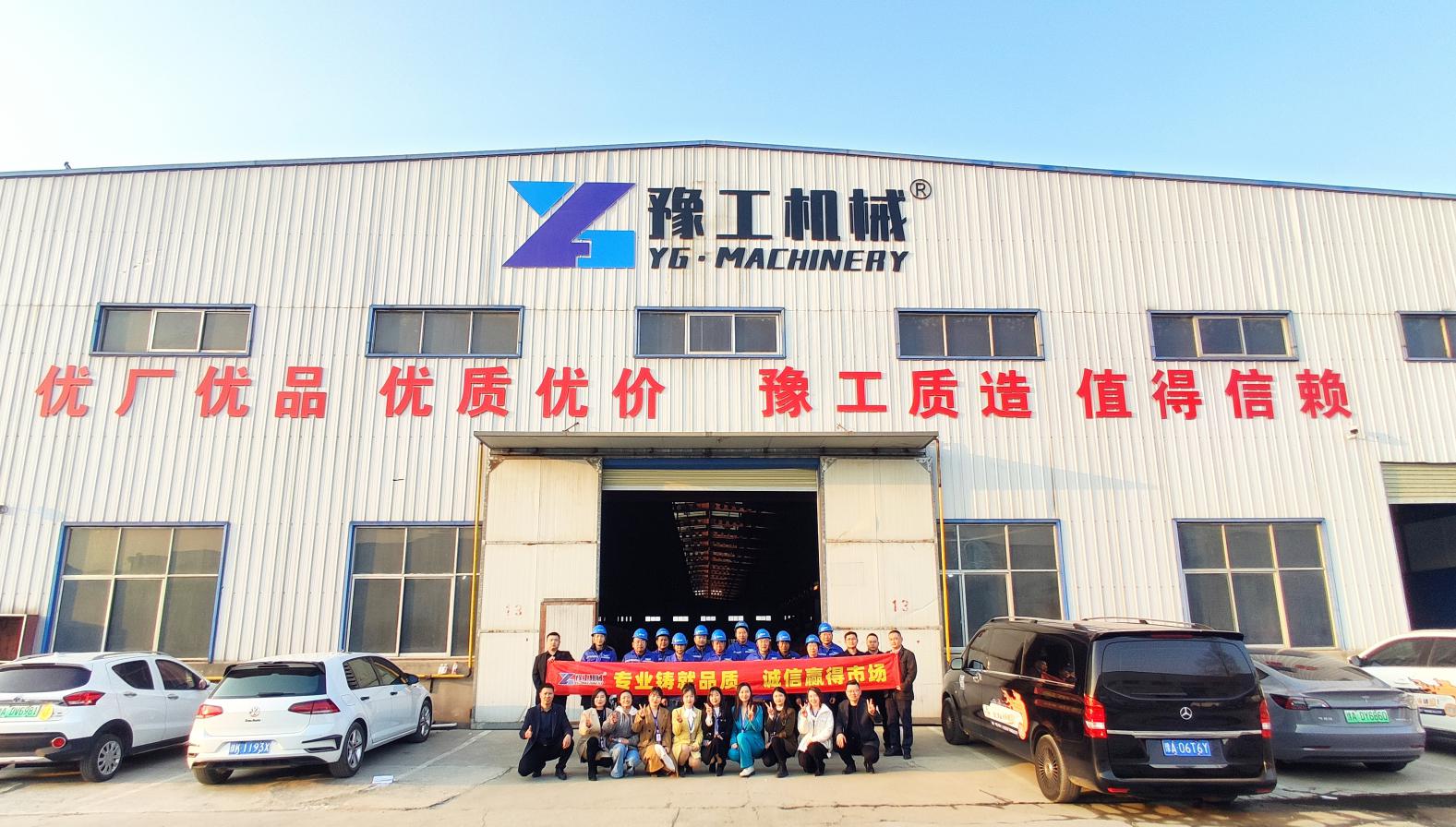
Why Contractors Choose YG Machinery
- Real factory pricing: No middlemen. You pay manufacturer rates.
- Built for job sites: Double-wall stainless steel tanks, Q235B carbon steel frames, welded construction.
- Global shipping: We regularly ship to North America, Southeast Asia, the Middle East, and Africa.
- Custom orders welcome: Need a 400mm line width? A specific heating system? Your company’s color on the machine? Yes.
Send YG Machinery your project details – road type, climate, daily square meters, and budget. We will reply within 24 hours with a model recommendation and a custom quote.
FAQ about the Thermoplastic Marking Machine and Cold Spray
Yes. The powder coating must be heated to a molten state in a separate kettle at 180–210°C before being poured into the marking machine’s insulated tank. You cannot heat the material directly in the thermoplastic marking machine.
Standard cold spray cannot. If you need reflectivity, you can use pre-mixed glass bead cold paint or add glass beads during application. However, the result and durability are far inferior to hot melt marking.
Yes, but efficiency is highest with two people – one pushing the machine and one assisting with material and glass bead refills. The electric model requires less effort.
Yes. After purchasing the equipment, we provide operation videos and remote guidance. For complex issues, we can arrange a technical support call.