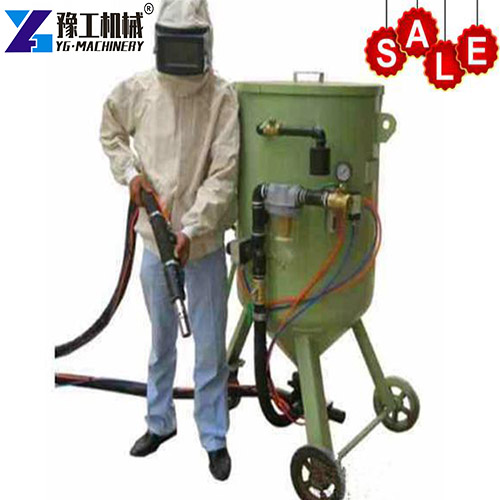
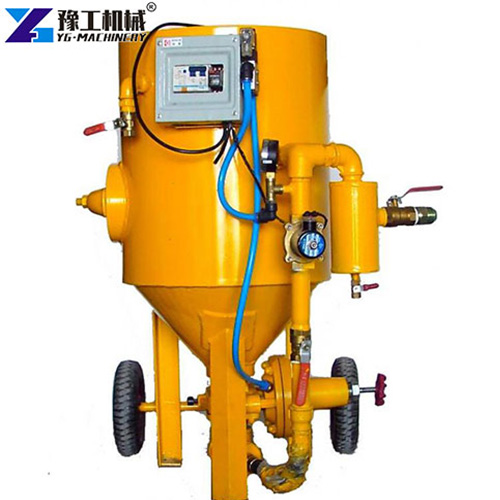
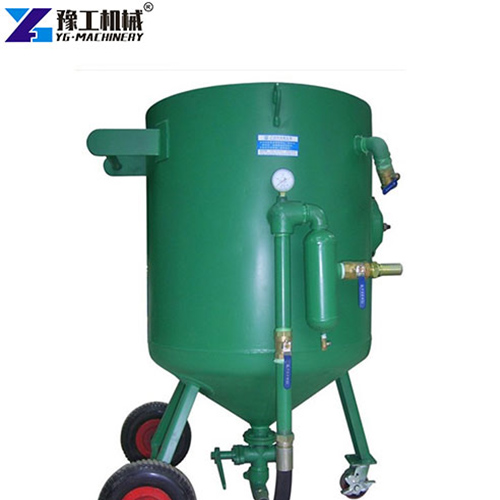
If you work with metal surfaces, you know how tough it is to remove rust, old paint, or contaminants without creating a dusty mess. Water sandblasting equipment offers a cleaner, safer alternative. It mixes water with abrasive material, then shoots the mixture at high speed onto a workpiece. This method cuts down dust, cools the surface, and saves abrasive costs. Typically used in shipbuilding, automotive repair, and aerospace industries, it stands out for its environmental friendliness and precision. Need a reliable solution for your shop or project? Contact YG for detailed product support and factory-direct pricing.
Technical Parameters of YG Water Sand Blasting Machine
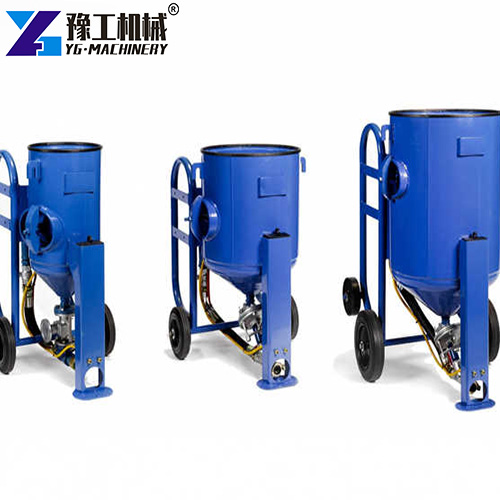
The table below shows standard models from YG. Note that air consumption is around 3 cubic meters per minute, and operating pressure ranges from 0.4 to 0.8 MPa.
| Machine models | YG700 | YG800 | YG900 | YG1000 |
| Diameters (mm) | 700 | 800 | 900 | 1000 |
| Height (mm) | 1250 | 1700 | 2000 | 2000 |
| Volume (m³) | 0.3 | 0.6 | 0.8 | 1.0 |
These units are built with carbon steel Q235B. Plate thickness varies by diameter: 5 mm for 700 mm models, 6 mm for 800 mm, and 8 mm for 900–1000 mm.
How Does Wet Blasting Equipment Work?
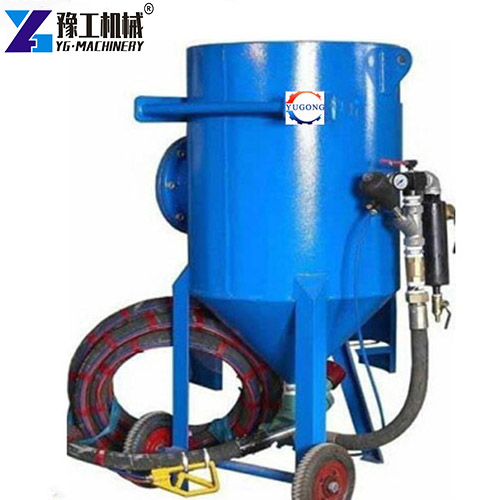
A Water sandblasting equipment operates differently from dry versions. It introduces water into the abrasive stream at the nozzle or inside the tank. Water and sand mix at a ratio of roughly 1:1. Compressed air pushes this mixture through a blasting hose and out of a specially designed gun. The water wraps around each abrasive particle, reducing friction and dust. It also prevents static buildup. The machine can use various abrasives such as garnet, aluminum oxide, or even glass beads. Because water acts as a carrier and a buffer, the abrasive breaks down more slowly. That means you get more work from every kilogram of media.
Key Advantages of Automatic Sand Blasting Machine
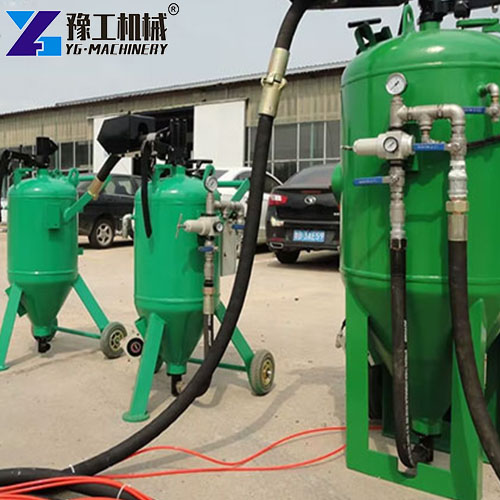
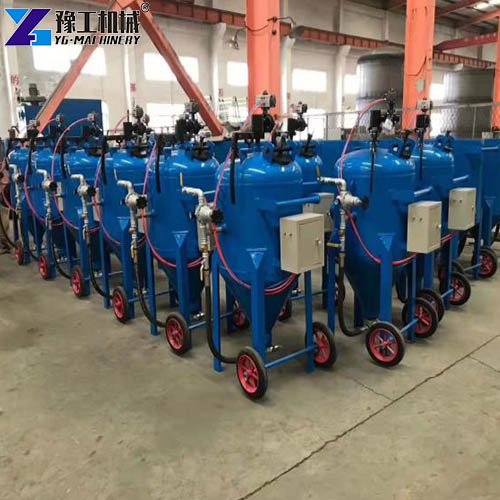
Why switch to Water sandblasting equipment? Here are the main benefits.
1. Dust control is the biggest win.
Dry blasting creates a visible cloud of silica and paint particles. That cloud harms the lungs and requires expensive ventilation. Wet blasting suppresses nearly all dust. Operators work in a cleaner environment without full protective suits or massive dust collectors.
2. Abrasive lasts longer.
Water cushions the impact. Sharp edges of sand or grit don’t shatter as easily. You can reuse the same abrasive several times. For costly media like silicon carbide, this cuts expenses by 30% or more.
3. Surface quality improves.
The water jet washes away grease, salt, and loose particles as you blast. No secondary cleaning step is needed. Also, the water cools the workpiece. Thin metal won’t warp from heat. You get a uniform anchor pattern for paint or coating.
4. It is safer.
No sparks mean you can use the equipment near flammable materials without fire risk. Water reduces the rebound of abrasives, so stray particles don’t fly back at the operator. This lowers the chance of eye injuries or skin cuts, making daily operation much safer.
5. Versatility is high.
You can treat steel, aluminum, wood, plastic, concrete, and even fiberglass without damaging the base material. Simply adjust the pressure, water-to-abrasive ratio, or switch to softer media like glass beads or walnut shells, and the same machine handles a wide range of jobs.
Where Can You Put Water Sandblasting Equipment to Work?
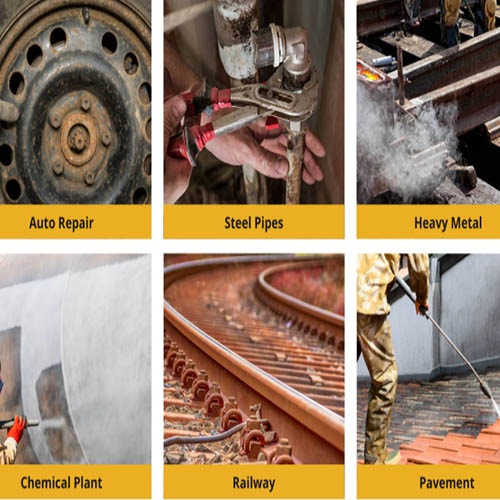
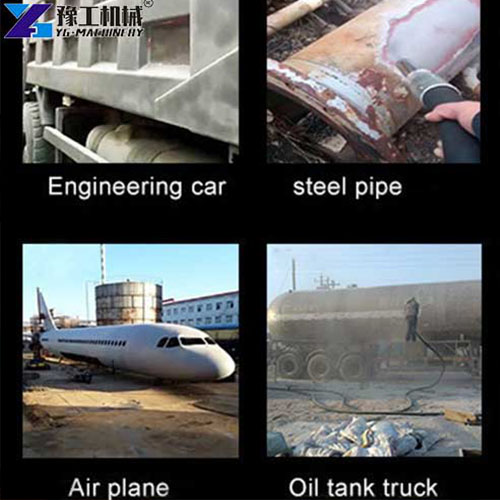
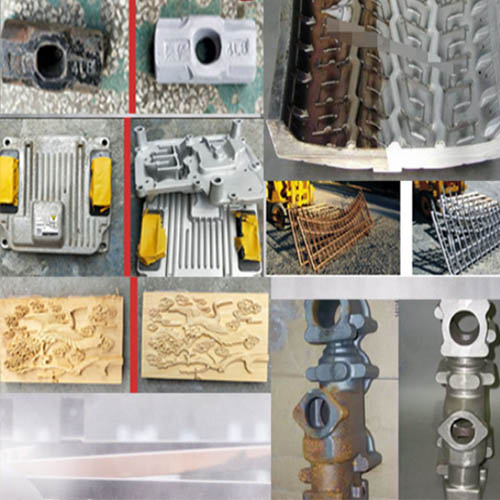
- Shipyards: Use it to remove barnacles, rust, and old epoxy from hulls. The water prevents dust from drifting into the sea or onto neighboring docks, helping shipyards comply with environmental regulations while protecting nearby workers.
- Auto body shops: Rely on it to strip paint from car panels smoothly. The machine leaves the underlying metal clean and ready for primer without any heat warping. This speeds up repair jobs and reduces the need for manual sanding.
- Aerospace: Aerospace components require non-destructive cleaning. Turbine blades and landing gear parts are blasted with fine media and water to remove carbon deposits without changing critical dimensions, ensuring safety and performance.
- Mold makers: Clean injection molds without wearing down the cavity surface. The water carries soft media like walnut shells or baking soda, which gently removes residue while preserving the mold’s original precision and finish.
- Conservation teams: Restore old buildings and monuments by adjusting pressure and media. The wet process removes graffiti, soot, and biological growth without etching the original stone, making it a preferred method for historical preservation.
Wet VS Dry Blasting Equipment
- Dry blasting creates massive dust clouds. That dust harms lungs, covers everything in your shop, and often requires expensive collection systems. Water sandblasting equipment eliminates nearly all dust. Your workers breathe cleaner air. You avoid fines and health complaints.
- Dry blasting also quickly shatters abrasive particles. You go through media fast. Wet blasting cushions each particle, so abrasives last much longer. You save money on consumables.
- Dry blasting generates heat and sparks. Thin parts warp. Flammable areas become dangerous. Wet blasting cools as it cleans, prevents warping, and produces no sparks.
Get Your Water Sand Blasting Machine From YG
YG is a professional manufacturer of surface treatment machinery. We supply water sandblasting equipment to workshops, factories, and contractors worldwide. Our units are built from Q235B carbon steel and pressure tested before shipping. Smaller models come with wheels for easy mobility. Contact YG today with your diameter, material, and output requirements. We will send you a quote and layout drawing within 24 hours.