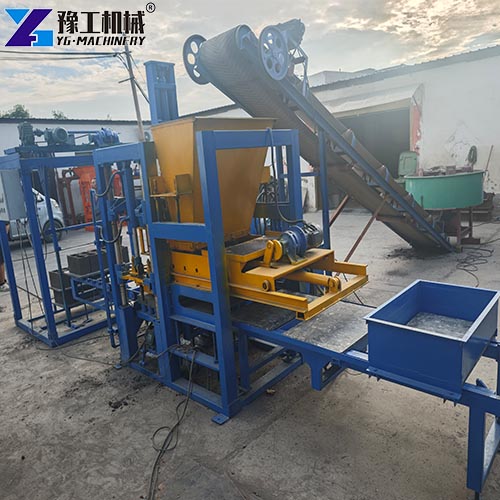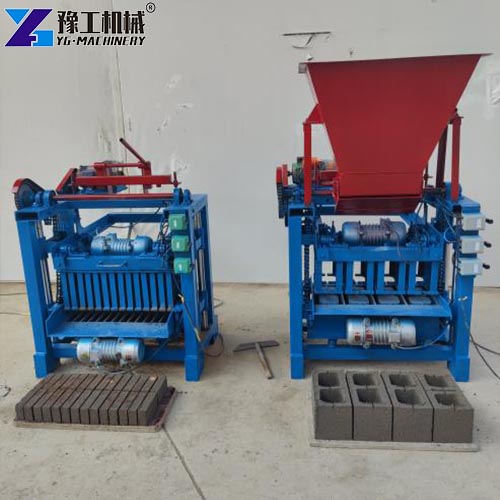
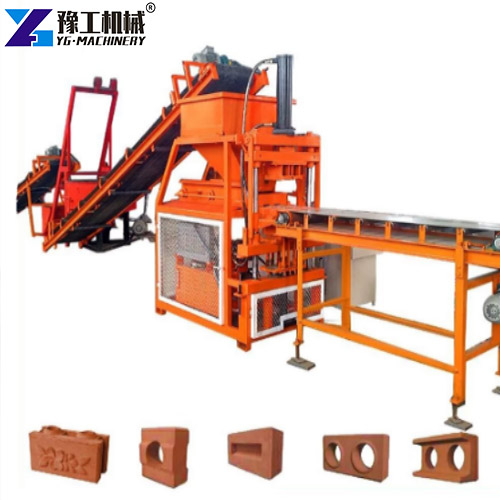
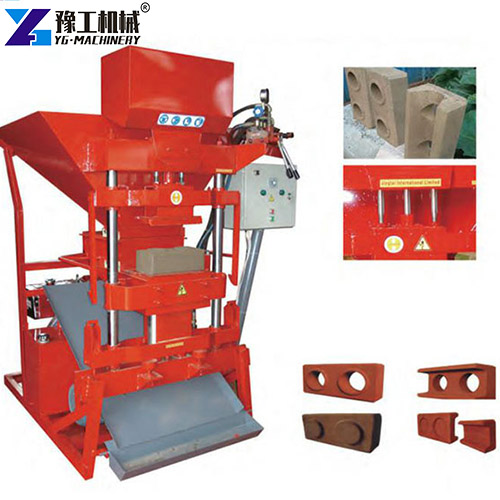
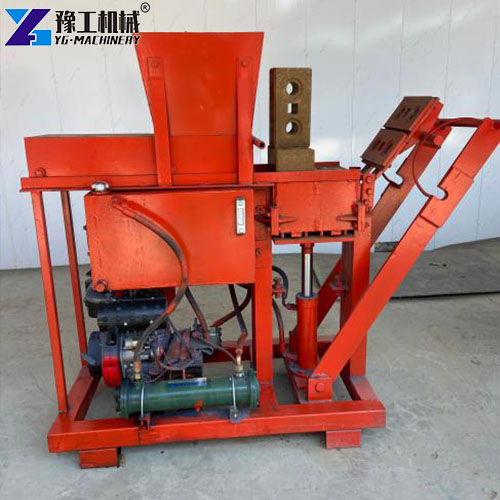
If you produce red clay bricks or hollow clay blocks, an automatic clay brick-making machine changes how you work. This type of equipment takes wet clay, shale, or other soft materials, extrudes them under high vacuum, and cuts them into precise brick shapes. It usually works together with a kiln for firing. The auto brick machine gives you high output, consistent brick size, and low labor cost. Need a reliable solution for your brick plant? Contact YG Machinery to get details on the right automatic clay brick-making machine for your site.
Key Parameters of a Reliable Clay Brick Maker Machine
| Block Name | Size(LWH)mm | Molding Cycle | QTY/Mould | QTY/hour | QTY/8hr |
| Hollow block | 400*200*200 | 15-20s | 6 pcs | 1080-1440 pcs | 8640-11520 pcs |
| Hollow block | 400*150*200 | 15-20s | 7 pcs | 1260-1680 pcs | 10080-13440 pcs |
| Hollow block | 400*100*200 | 15-20s | 11 pcs | 1980-3640 pcs | 15840-21120 pcs |
| Porous block | 240*115*90 | 15-20s | 15 pcs | 2700-3600 pcs | 21600-28800 pcs |
| Standard brick | 240*115*53 | 15-17s | 30 pcs | 6300-7200 pcs | 50400-57600 pcs |
| Paver | 225*112.5*60 | 20-25s | 15 pcs | 2160-2700 pcs | 17280-21600 pcs |
How Does the Clay Brick Machine Work?
An automatic clay brick-making machine follows a simple but powerful cycle. First, raw clay is crushed and mixed with water in a double-shaft mixer. The material then moves to a vacuum extruder. Inside the extruder, a screw pushes the clay through a chamber where air is removed. This vacuum step is critical. It removes air bubbles so the brick becomes dense and strong after firing.
After vacuum treatment, the clay is forced through a die to form a continuous column. A wire cutter automatically slices the column into individual bricks. Those green bricks are then transferred onto a conveyor. From there, they go to drying racks or directly to a tunnel kiln. The whole process runs automatically. One person monitors the control panel. The machine stops automatically if pressure drops or material runs out.
Why Choose This Brick Machine for Sale?
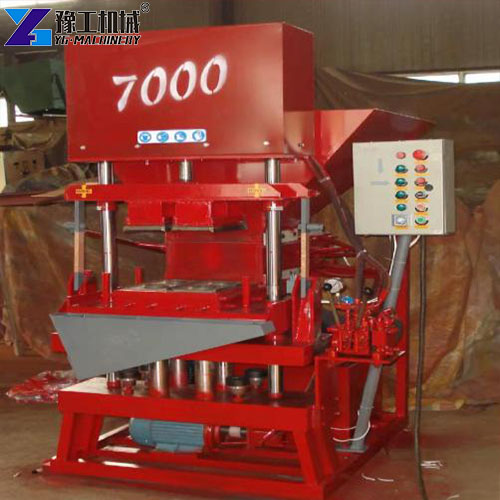
Labor savings
One automatic clay brick making machine replaces 12 to 18 manual workers. It mixes, extrudes, cuts, and stacks without constant human help. That means you pay less for labor every single month and reduce problems caused by worker turnover.
Consistent quality
Vacuum extrusion produces bricks with uniform density and sharp edges. Firing results are predictable. No more broken or misshapen bricks. This consistency helps you win larger contracts because buyers trust your product quality.
High daily output
A medium model produces 80,000 to 100,000 standard bricks in 8 hours. That is enough for a small town housing project. With two shifts, you can double that output and complete big orders weeks ahead of schedule.
Material flexibility
It works with clay, shale, coal gangue, river silt, and even some construction waste. You use local materials and save transport costs. You can also adjust the mix based on what is cheapest in your area each season.
Low maintenance
The machine has a few wear parts. The auger and liner need replacement about once every 3–4 months in normal operation. This keeps your downtime low and your repair budget under control.
Applications of the Automatic Clay Brick Making Machine
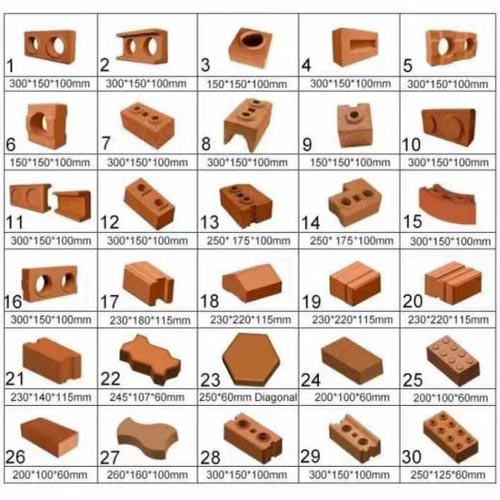
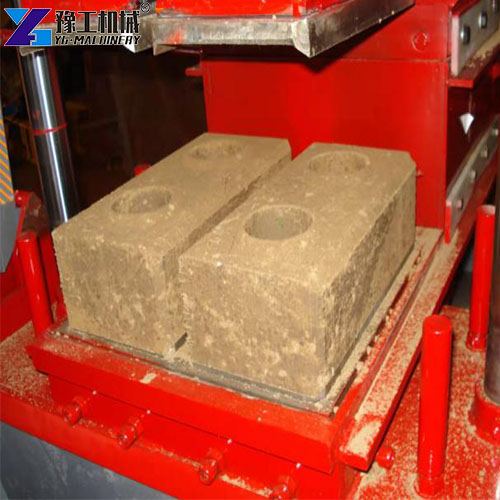
- Solid clay bricks for residential load-bearing walls: These bricks handle heavy weight from multiple floors and are the standard choice for houses and apartments. Builders prefer them because they do not warp or shrink over time. Consistent size from vacuum extrusion speeds up wall construction and keeps mortar joints even.
- Hollow clay blocks for thermal insulation in hot climates: The hollow cores trap air, keeping buildings cooler in summer and warmer in winter. They are lighter to handle, reducing labor and transport costs. One block covers the same wall area as several solid bricks, so laying walls goes faster.
- Extruded pavers for walkways, driveways, and landscaping: These pavers resist cracking under foot traffic and vehicle loads. Their natural clay colour ages well and needs no painting or sealing. They are slip‑resistant when wet, making them safe for pool surrounds and garden paths.
- Custom-sized bricks for restoration and heritage projects: Old buildings often need non‑standard dimensions. With a simple die change, the machine produces exactly what the project requires. You can match historical brick sizes that are no longer available, opening a niche market with higher margins.
- Heavy-duty bricks for industrial flooring resisting oil and chemicals: Factories and warehouses need tough surfaces. These bricks withstand spills, heavy machinery, and constant cleaning. Low water absorption prevents oil from soaking in, and forklift traffic does not create dust. Many food plants and repair shops choose them over concrete.
Daily Maintenance for Long Service Life
- After each shift, remove clay residue from the extruder head and vacuum chamber. Check the vacuum pump oil level and top up if needed. Clean the wire cutters to avoid uneven brick length.
- Every month, change the vacuum pump oil completely. Tighten all bolts on the extruder body, as vibration can loosen them. Calibrate the cutter counter to ensure accurate brick length.
- For long-term storage, drain all water from the cooling system. Apply rust-preventive oil on the die and cutter blades. Cover the whole machine with a tarp to keep out dust and moisture.
Get Your Clay Brick Machine Price from YG Machinery
YG Machinery is a manufacturer and integrated trading company. We supply electric and diesel versions to Africa, South America, Southeast Asia, and Europe. Each automatic clay brick-making machine includes one free die, a one-year warranty on the main frame, spare parts, and video training support. Tell us your daily output and raw clay type. We will offer you a competitive clay brick machine price. Contact YG Machinery today.