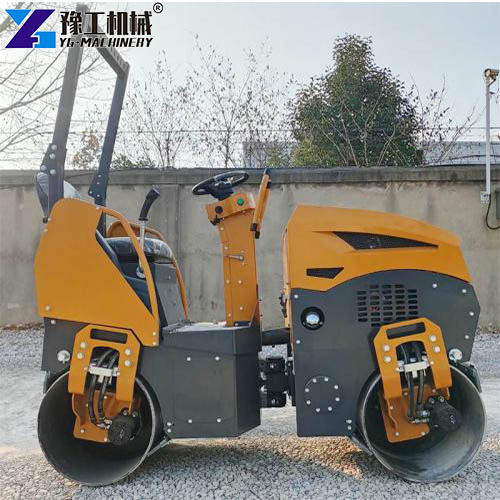
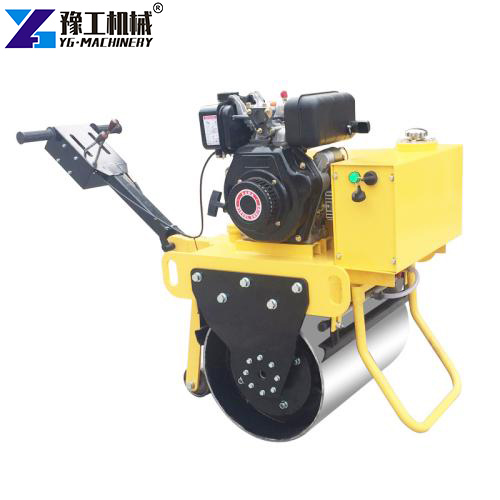
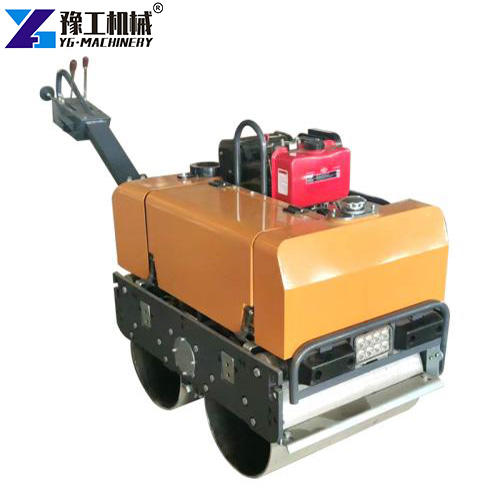
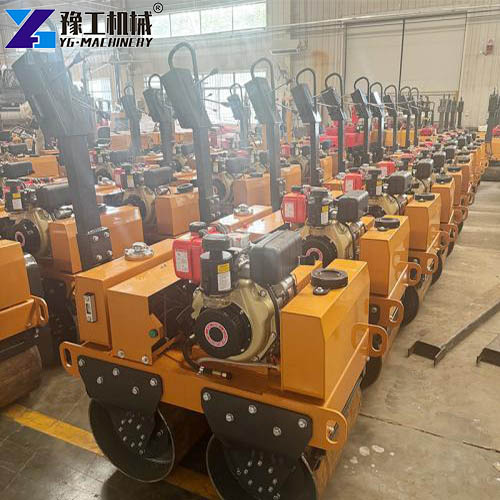
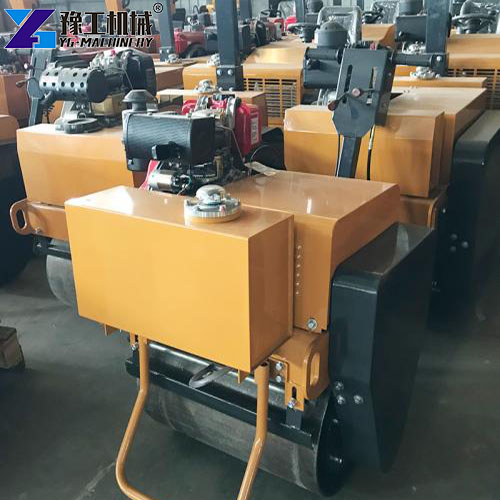
A walk-behind vibratory roller is a compact piece of compaction equipment. The operator walks behind the machine and guides it by a handle. It is typically used for compacting asphalt, soil, and gravel in narrow spaces. Large rollers cannot enter alleys, building corners, or pipe trenches. That is where this small machine shines. It is lightweight, easy to transport, and much cheaper than a ride on a roller. If you need a practical solution for small to medium compaction jobs, contact YG Machinery. We will help you pick the right model and send you a price list within 24 hours.
Technical Parameters for YG Hand Roller Compactor
| Model | YG 600D | YG 600 |
| Power | 6.0 hp at 3600 rpm | 5.5 hp |
| Walking speed | 0 to 4 km/h | 2.4 km/h |
| Climbing ability | 30 percent | 25 percent |
| Static linear load | 45 N/cm | 45 N/cm |
| Drum size (width x diameter) | 600 x 450 mm | 600 x 426 mm |
| Excitation force | 20 kN | 20 kN |
| Water tank capacity | 15 L | 15 L |
| Engine | Honda GX390 diesel, air-cooled | Honda GX390 gasoline, air-cooled |
| Oil tank capacity | 3.6 L | 3.6 L |
| Packing size (L x W x H) | 1050 x 900 x 1200 mm | 1050 x 900 x 1200 mm |
| Weight | 550 kg | 330 kg |
Working Principle of Walk Behind Vibratory Roller
The machine uses a hydraulic motor to create vibration. Oil flows from a pump to a control valve. The valve directs oil to the motor. As the motor spins, it turns an eccentric shaft inside the drum. That unbalanced rotation produces an excitation force. The force pushes the drum into the ground repeatedly. Each impact compacts the material a little more.
On some models, a centrifugal clutch engages the vibration only when the engine reaches a certain speed. The operator can control the vibration intensity by adjusting the throttle. Higher speed means stronger vibration. The machine also has a hydraulic drive system for moving forward and backward. A chain connects the hydraulic motor to the drum axle. That setup gives high torque and smooth movement.
Why choose a walk-behind roller compactor?
1.It fits into tight spaces
Standard rollers are too wide for sidewalks, bike paths, or inside building foundations. This machine passes through a standard door frame. You can work within inches of walls and curbs. That makes it the right tool for driveways, trench backfill, and urban job sites.
2.It is easy to transport
One person can load it onto a pickup truck or a small trailer. No special permits or heavy tow trucks are needed. Just tilt and roll it up a ramp. You can move it between jobs without waiting for a flatbed.
3.It costs much less
A ride on a roller coaster may cost five to ten times more. For a small contractor or a farm, the walk-behind vibratory roller makes financial sense. You get professional results without a big investment.
4. Maintenance is simple
The engine is a common small gasoline or diesel unit. Parts are available everywhere. You do not need a specialist to fix it. A basic set of hand tools and a one-hour training is enough for routine service.
5.It produces good compaction results
The vibration doubles the effective weight. A 330 kg machine can apply over 600 kg of dynamic force. Fewer passes get the job done. The compaction depth is sufficient for asphalt patches, gravel paths, and base layers up to 200 mm thick.
Hand Roller Compactor vs. Ride-on Roller
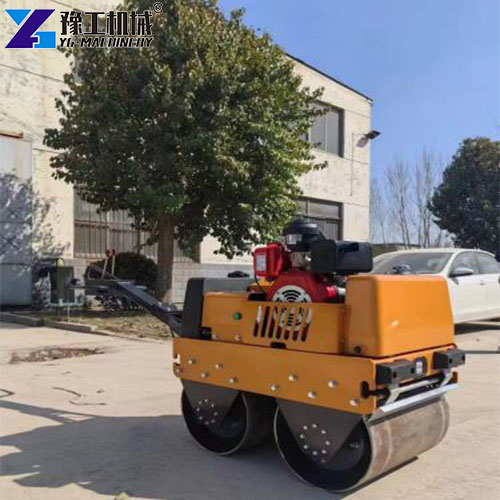
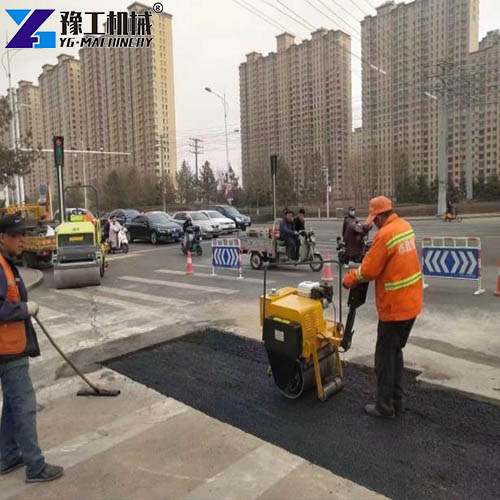
A walk-behind vibratory roller is not meant to replace large rollers. It serves a different purpose. Use the hand-pushed type for patch work, edge compaction, and small driveways. Use a ride-on roller for highways, large parking lots, or thick base layers.
The hand-operated model gives better control near curbs and manholes. You can see the drum edge clearly. You can stop instantly. With a ride on a machine, visibility is worse, and the turning radius is larger.
However, the hand roller compactor works more slowly. Walking speed is only 2 to 4 km per hour. A ride on a roller can cover ten times more area in the same time. So choose based on your job size. For jobs under 500 square meters, the walk-behind is often the better choice.
Common Applications of a Walk-Behind Vibratory Roller
- Asphalt patching: After utility work or pothole repair, use it to compact the new asphalt. The water tank prevents the drum from picking up sticky material. Run the roller while the asphalt is still hot for best results. One or two passes are enough for a smooth, durable patch.
- Soil backfill in trenches: When laying pipes or cables, the trench is narrow. A large roller cannot enter. The walk-behind vibratory roller goes down into the trench and compacts each layer in 150 mm lifts. This prevents future settlement above buried lines.
- Gravel paths and driveways: For residential use, this machine makes a firm, level surface without spending too much. It pushes the gravel particles together and locks them in place. No more loose stones shifting under tires.
- Interlocking pavers: After placing concrete pavers, run the roller over them with vibration off. The weight seats the pavers evenly into the sand base. This eliminates uneven spots and reduces the need for hand tamping.
- Cold storage floors: Some warehouses use this machine to compact floor subbases in tight aisles between racking systems. The narrow drum fits where a large roller cannot reach. A well-compacted subbase prevents cracks in the finished concrete slab.
A Walk Behind Roller for Sale -YG Machine
YG Machinery is an integrated manufacturer and trading company. Every walk-behind vibratory roller we sell undergoes strict quality control from raw materials to final assembly. We also provide proper after-sales support and spare parts availability. If you need a dependable walk-behind roller for sale, simply tell us your job type and compaction depth. We will reply with a fair price, fast shipping, and honest advice. Contact YG Machinery today for a free quote.